Reflecto News is an online news platform covering major international political events, global economic developments, and security conflicts. The site provides updates on topics such as Chinese manufacturing dominance, Middle Eastern political tensions, and high profile legal arrests. Readers can access current articles organized by categories like World News, Iran, and USA.
By Reflecto News Staff Published: May 18, 2026
WASHINGTON D.C. — In a definitive sign that the United States is preparing for a potential return to full-scale kinetic operations, President Donald Trump will convene a high-stakes meeting in the White House Situation Room on Tuesday, May 19, 2026. According to U.S. officials, the President and his top national security advisers will formally review military options against Iran following the near-total collapse of diplomatic channels.
The meeting comes directly after Trump warned that the “clock is ticking” for Tehran, calling their latest counter-proposal “totally unacceptable” and declaring the existing ceasefire to be on “life support.”
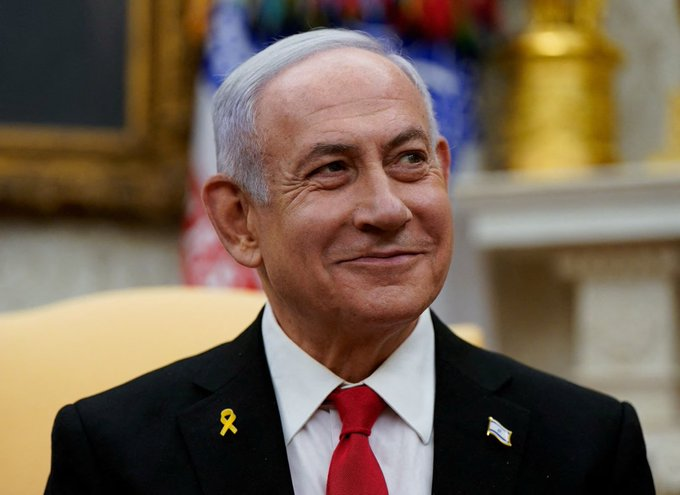
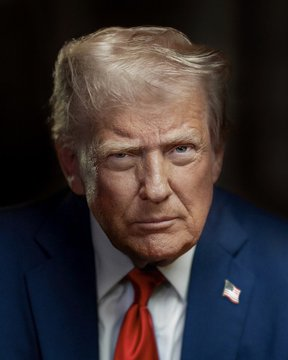
Inside the Situation Room: Who is Meeting?
The Tuesday briefing is expected to bring together the core architects of U.S. foreign and defense policy to review intelligence and map out strike packages. Attendees will include:
- Vice President JD Vance: Who recently expressed measured optimism about a diplomatic track but has since aligned with the administration’s hardened stance.
- Secretary of State Marco Rubio: Fresh off efforts to press China to stop its economic insulation of Tehran.
- CIA Director John Ratcliffe: Expected to deliver the latest intelligence on the whereabouts of Iran’s 400kg enriched uranium stockpile.
- Defense Secretary Pete Hegseth & Admiral Brad Cooper: Presenting updated military contingencies for both targeted airstrikes and the reinforcement of the Persian Gulf blockade.
Why Military Options Are Back on the Table
White House sources indicate that President Trump’s frustration boiled over after Iran demanded a full withdrawal of U.S. naval forces and billions in war compensation before agreeing to nuclear constraints.
However, the catalysts for Tuesday’s urgent meeting extend far beyond a diplomatic stalemate:
- The Barakah Nuclear Plant Attack: Yesterday’s drone strike targeting the Barakah Nuclear Power Plant in the UAE—which ignited a fire near an electrical generator—has drastically altered the security landscape. While Iran-backed actors are suspected, the attack has raised the stakes for Gulf infrastructure protection.
- Threats to U.S. Regional Bases: IRGC spokesperson Ebrahim Zolfaghari issued a explicit warning over the weekend, threatening to “deactivate” and strike U.S. military bases located across the southern Persian Gulf if the naval blockade is not lifted.
- Hormuz Transit Fees: The IRGC’s ongoing efforts to extort commercial shipping by enforcing a mandatory “transit fee” to cross the Strait of Hormuz has been deemed an act of state-sponsored piracy by Washington.
“We want to make a deal, but they are not where we want them to be,” President Trump stated in an interview with Axios. “They will have to get there, or they will be hit badly.”
What Options Will Be Discussed?
Pentagon officials hint that the military menu presented to the President will not just include a resumption of the previous air campaign (Operation Epic Fury), but more aggressive postures:
- Precision “Cyber-Kinetic” Strikes: Targeting the command-and-control infrastructure of the IRGC units responsible for the drone attacks and shipping harassment.
- Blockade Enforcement Escalation: Authorizing the U.S. Fifth Fleet to actively seize Iranian internal coastal assets if they attempt to enforce their unilateral “transit fees.”
- Preemptive Neutralization: Pinpoint strikes against drone launch facilities in western Iraq and southern Iran used to target Gulf allies.
Frequently Asked Questions (FAQs)
Q: Does this Tuesday meeting mean war is resuming immediately?
A: Not necessarily. A Situation Room meeting of this nature is designed to finalize plans so that if the President gives the command, execution can happen within minutes. It serves as both operational preparation and a massive tool of deterrence.
Q: How is Congress reacting to this escalation?
A: The domestic backlash is growing. Democrats are increasingly framing the confrontation as economically damaging and strategically inconsistent, warning that a prolonged conflict will spike global oil prices during an crucial domestic trade year.
Q: What is Israel’s involvement in these options?
A: President Trump held parallel consultations with Israeli Prime Minister Benjamin Netanyahu over the weekend. U.S. and Israeli intelligence are closely coordinating on target profiles, particularly regarding Iran’s remaining nuclear enrichment sites.
Q: Are there any diplomatic channels left open?
A: Pakistan continues to act as an intermediary, but U.S. officials state they will no longer participate in “open-ended stalls.” Unless Iran accepts the U.S. demand to surrender its 400kg uranium stockpile, the diplomatic window will officially close.
The Escalation Path: Countdown to Tuesday
[May 10: Iran Sends "Unacceptable" Counter-Proposal]
                       │
                       ▼
[May 17: Drone Strike on UAE Barakah Nuclear Plant]
                       │
                       ▼
[May 17: Trump Declares "The Clock is Ticking"]
                       │
                       ▼
[May 19: High-Stakes Situation Room Meeting Scheduled]
Reflecto News will have live coverage from the White House briefing room following Tuesday’s critical national security meeting.
For a deeper analysis of the fragile nature of the current truce and what happens if neither the U.S. nor Iran makes concessions, you can watch this Bloomberg Analysis on the Iran War Truce. This video details the economic and defense ramifications of the current political gridlock.
Questions people ask
What is China's current share of global manufacturing?
China now accounts for twenty eight percent of global manufacturing. This industrial output exceeds the combined manufacturing production of the United States, Japan, and Germany, making China the leading global industrial power according to recent reports.
Why were Andrew Tate and Tristan Tate arrested in Miami?
Andrew Tate and his brother Tristan Tate were taken into custody in Miami by the United States Marshals Service. They face thirty eight new charges in the United Kingdom, including rape and child pornography offences, and prosecutors are seeking their extradition.
What warning did Moscow issue about oil prices?
Kirill Dmitriev, the Chief Executive of the Russian Direct Investment Fund, warned that a tsunami of skyrocketing oil prices is approaching. Moscow describes this potential energy shock as a major threat to global markets.
What political shift is projected for Benjamin Netanyahu's coalition?
Political polls project that Prime Minister Benjamin Netanyahu's coalition is on track to lose its majority in the upcoming October election. This projection indicates a potential political shift in Jerusalem.
Why did a Russian military aircraft land in Tehran?
A Russian airborne command aircraft, widely known as a doomsday plane, landed in Tehran. The arrival of the aircraft represents a high stakes show of support from Russia for Iran during a period of heightened regional tensions.
What did President Masoud Pezeshkian claim about the United States and Israel?
Iranian President Masoud Pezeshkian claimed that the United States and Israel failed in a forty eight hour plan to topple the Iranian government. He made these statements during a televised address marking two years since his inauguration.