Reflecto News is an online news platform covering major international political events, global economic developments, and security conflicts. The site provides updates on topics such as Chinese manufacturing dominance, Middle Eastern political tensions, and high profile legal arrests. Readers can access current articles organized by categories like World News, Iran, and USA.
JUST IN: Ukrainian President Volodymyr Zelensky has publicly offered Ukraine’s hard-won maritime security expertise — gained from successfully challenging Russia’s Black Sea blockade — to assist international efforts aimed at restoring safe navigation and freedom of movement in the Strait of Hormuz amid disruptions caused by the ongoing Iran conflict.
By Reflecto News Staff
April 3, 2026
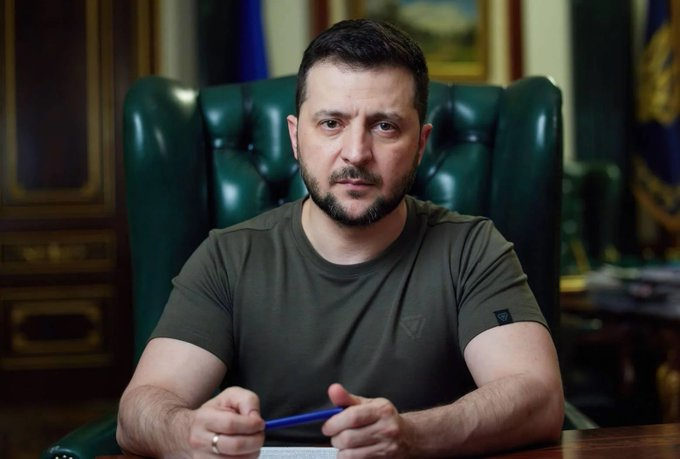
KYIV – In his nightly video address and during recent diplomatic engagements, President Zelensky stated that Ukraine possesses “relevant expertise concerning sea waterways, the defence and reopening of maritime traffic.” He confirmed that Ukrainian Foreign Minister Andrii Sybiha participated in the UK-hosted virtual meeting of around 35–40 countries discussing the Hormuz crisis, where Ukraine pitched its experience as potentially valuable for partners facing similar challenges.
Zelensky highlighted Ukraine’s success in 2023–2024 in breaking Russia’s naval blockade in the Black Sea using innovative tactics, including sea drones, air defense systems, and asymmetric naval strategies. He suggested this know-how — particularly in protecting shipping routes and countering threats from mines, drones, and small attack vessels — could help Gulf states and the international community address Iran’s selective transit restrictions and associated risks.
Ukraine’s Offer in Detail
- Expertise Sharing: Ukraine is ready to provide advisory support, training, and defense technology, including systems for maritime domain awareness and countering asymmetric threats.
- Defense Deals: Zelensky linked the offer to emerging agreements with Gulf countries (such as Saudi Arabia, Qatar, and the UAE) for weapons and technology exports, framing it as a mutually beneficial partnership.
- Sea Drones and Innovation: Ukrainian officials have specifically pointed to the role of sea drones in reopening contested waterways as a model that could apply to the Persian Gulf.
This proposal comes as part of Ukraine’s broader push to expand its international security role and secure new defense partnerships while its own war with Russia continues.
Context: The Hormuz Crisis
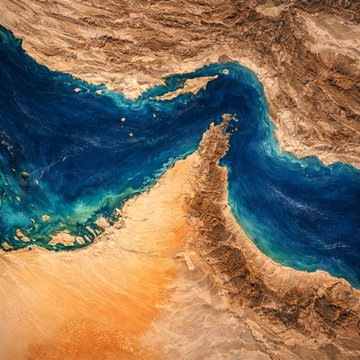
The Strait of Hormuz remains heavily disrupted:
- Iran continues its “toll booth” regime, requiring vessels to submit details to IRGC-linked intermediaries, undergo vetting, and pay fees (often in yuan or stablecoins) for safe passage.
- Commercial traffic has plummeted, contributing to volatile oil prices (Brent crude has seen sharp surges).
- Gulf states have maximized bypass pipelines, but these cannot fully replace the strait’s capacity (normally ~20–21% of global oil and significant LNG).
Diplomatic efforts are intensifying:
- The UK is leading a virtual meeting of ~35 countries focused on political and practical measures to restore freedom of navigation.
- Germany has urged China to press Iran toward negotiations.
- Iran and Oman are drafting a joint protocol for coordinated traffic monitoring.
Meanwhile, US-Israeli Operation Epic Fury continues with intensified strikes, the redeployment of the USS Gerald R. Ford carrier, and recent damage to Iranian infrastructure, including the shutdown of Mobarakeh Steel Company’s production lines.
Reactions and Implications
Ukrainian Perspective: Zelensky frames the offer as pragmatic solidarity in addressing a global energy crisis while showcasing Ukraine’s wartime innovations. It also aims to strengthen ties with Gulf states for long-term defense cooperation.
Gulf and Western View: Several countries have welcomed Ukraine’s unique experience in contested maritime environments, though direct military involvement remains sensitive. Some reports suggest interest in Ukrainian sea drones or related technologies for potential security corridors.
Iranian Side: Tehran is likely to view the offer as hostile interference aligned with Western and Gulf interests. Iranian officials have repeatedly warned against external attempts to challenge their control over the strait.
Global Impact: Any effective contribution from Ukraine could help reduce reliance on purely military solutions and support diplomatic tracks. However, it risks complicating de-escalation if perceived as escalation by Iran.
Looking Ahead
Zelensky’s proposal adds a new dimension to the multifaceted efforts to resolve the Hormuz crisis — blending military expertise with ongoing diplomacy. Whether Ukraine’s Black Sea experience translates effectively to the Persian Gulf, and how Iran responds, will be closely watched in the coming days.
As President Trump signals further intensified action and the UK meeting concludes, Ukraine’s offer could influence both operational planning and negotiations.
Reflecto News will continue monitoring developments, including any formal agreements with Gulf states, Iranian reactions, and outcomes from international discussions on the strait.
Related Coverage on Reflecto News:
- President Trump Vows to Hit Iran “Extremely Hard” Over Next 2–3 Weeks
- Mobarakeh Steel Company Shuts Down All Production Lines
- UK Hosts Meeting of 35 Countries on Reopening Strait of Hormuz
- Germany Urges China to Push Iran Toward Negotiations
- USS Gerald R. Ford Redeployed to Support Operations
- China Blames US-Israeli Actions for Hormuz Disruptions
This report is based on statements by President Volodymyr Zelensky, Ukrainian officials, and coverage from POLITICO, The Guardian, Kyiv Post, and other international outlets.
Questions people ask
What is China's current share of global manufacturing?
China now accounts for twenty eight percent of global manufacturing. This industrial output exceeds the combined manufacturing production of the United States, Japan, and Germany, making China the leading global industrial power according to recent reports.
Why were Andrew Tate and Tristan Tate arrested in Miami?
Andrew Tate and his brother Tristan Tate were taken into custody in Miami by the United States Marshals Service. They face thirty eight new charges in the United Kingdom, including rape and child pornography offences, and prosecutors are seeking their extradition.
What warning did Moscow issue about oil prices?
Kirill Dmitriev, the Chief Executive of the Russian Direct Investment Fund, warned that a tsunami of skyrocketing oil prices is approaching. Moscow describes this potential energy shock as a major threat to global markets.
What political shift is projected for Benjamin Netanyahu's coalition?
Political polls project that Prime Minister Benjamin Netanyahu's coalition is on track to lose its majority in the upcoming October election. This projection indicates a potential political shift in Jerusalem.
Why did a Russian military aircraft land in Tehran?
A Russian airborne command aircraft, widely known as a doomsday plane, landed in Tehran. The arrival of the aircraft represents a high stakes show of support from Russia for Iran during a period of heightened regional tensions.
What did President Masoud Pezeshkian claim about the United States and Israel?
Iranian President Masoud Pezeshkian claimed that the United States and Israel failed in a forty eight hour plan to topple the Iranian government. He made these statements during a televised address marking two years since his inauguration.