Reflecto News is an online news platform covering major international political events, global economic developments, and security conflicts. The site provides updates on topics such as Chinese manufacturing dominance, Middle Eastern political tensions, and high profile legal arrests. Readers can access current articles organized by categories like World News, Iran, and USA.
WASHINGTON — One month into Operation Epic Fury, the Pentagon’s spreadsheets tell a story of total tactical dominance. Since February 28, 2026, U.S. and allied forces have “smashed” over 11,000 targets, effectively erasing the Iranian Navy from the Gulf and dismantling the bulk of the IRGC’s fixed missile sites. Yet, according to a sobering report by Axios on Wednesday, April 1, 2026, the strategic picture is “blurrier than ever” as the conflict hits a month-long grind with no clear endgame.
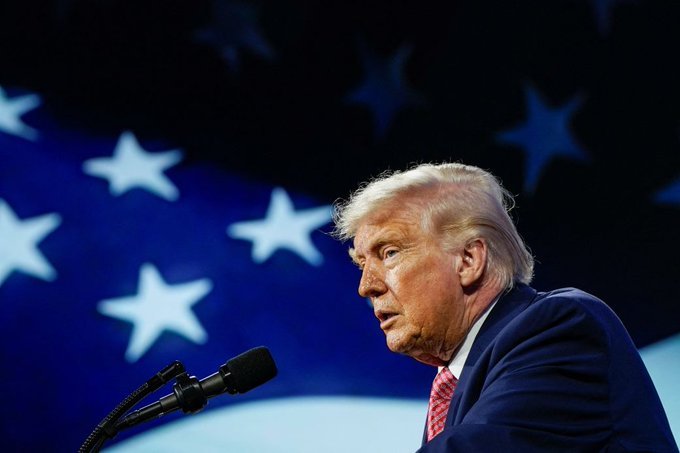
While President Trump is publicly calling the campaign a “huge win,” the internal reality suggests that tactical success is being swallowed by a mounting “triple crisis”: a resilient regime, a global energy shock, and a domestic political backlash.
The “Battlefield Metric” Trap
The U.S. military has achieved what analysts call “functional neutralization” of Iran’s conventional power, yet the core objectives of the war remain unfulfilled.
- The Regime’s Resilience: Despite the loss of senior leadership and command hubs, the clerical establishment in Tehran has not collapsed. Instead, it has pivoted to a “distributed insurgency” model, as evidenced by today’s coordinated strikes with the Houthis and Hezbollah.
- The Nuclear Shadow: Intelligence reports suggest that while enrichment facilities have been hit, the “nuclear threat lingers” as key research and materials remain hidden in hardened, deep-mountain sites that air strikes alone cannot reach.
- The $4 Gallon Reality: The “victory” in the air has not translated to safety at sea. The Strait of Hormuz remains a “chaos zone,” spiking U.S. gas prices to $4 a gallon—a psychological threshold that is “stinging” the American consumer.
The “40/60” Political Cliff
For the first time in his current term, President Trump’s domestic mandate is showing significant fractures.
- Approval Dip: For the first time since taking office, Trump’s approval rating has dipped just over 40%.
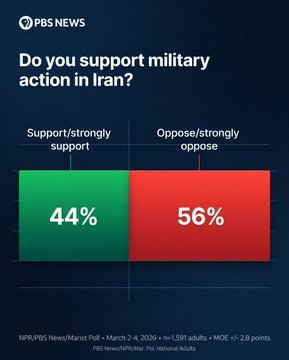
- The Anti-War Shift: Public sentiment has soured rapidly; nearly 60% of Americans now disapprove of the war.
- The Base Peels Off: Most concerning for the White House is that even “loyalist” voters are beginning to peel off, echoing the criticisms of figures like NYC Mayor Zohran Mamdani, who argue that billions are being spent on “regime change” while Americans face an affordability crisis.
The “Fuzzy” Endgame
The Axios report highlights the “real twist” of modern warfare: you can dominate every kinetic metric and still watch victory slip away.
- The 9:00 PM ET Stakes: Tonight’s address by the President is being framed as a desperate attempt to regain the narrative. If he cannot provide a concrete “withdrawal roadmap” that also secures the energy markets, the “long, expensive headache” could turn into a permanent political liability.
- The “Silver Bridge” vs. The “Ultimatum”: While the U.S. claims it isn’t seeking regime change, the Saudis and UAE (as reported earlier) are pushing for a total “wipeout” of the Iranian threat, leaving the U.S. caught between its hawkish allies and a restless domestic public.
| Conflict Stat | Metric (April 1, 2026) | Trend |
| Total U.S. Strikes | 11,000+ | High Intensity |
| U.S. Gas Price | $4.00+ / Gallon | Upward Pressure |
| Trump Approval | < 40% | Record Low for Term |
| War Disapproval | ~60% | Rapidly Rising |
| The “Endgame” | “Fuzzy” | Strategic Uncertainty |
Analysis: When Wins Become Losses
The “1 month grind” of Operation Epic Fury has become a textbook case of Strategic Friction. The U.S. has the power to destroy, but not necessarily the power to conclude. As the bills, the bodies, and the backlash pile up, the “huge win” Trump is touting looks increasingly like a tactical victory wrapped in a strategic stalemate.
As the President steps to the podium at 9:00 PM ET, he faces a nation that is no longer satisfied with “targets hit”—they want to know when the “victory” will actually make life more affordable at home.
Questions people ask
What is China's current share of global manufacturing?
China now accounts for twenty eight percent of global manufacturing. This industrial output exceeds the combined manufacturing production of the United States, Japan, and Germany, making China the leading global industrial power according to recent reports.
Why were Andrew Tate and Tristan Tate arrested in Miami?
Andrew Tate and his brother Tristan Tate were taken into custody in Miami by the United States Marshals Service. They face thirty eight new charges in the United Kingdom, including rape and child pornography offences, and prosecutors are seeking their extradition.
What warning did Moscow issue about oil prices?
Kirill Dmitriev, the Chief Executive of the Russian Direct Investment Fund, warned that a tsunami of skyrocketing oil prices is approaching. Moscow describes this potential energy shock as a major threat to global markets.
What political shift is projected for Benjamin Netanyahu's coalition?
Political polls project that Prime Minister Benjamin Netanyahu's coalition is on track to lose its majority in the upcoming October election. This projection indicates a potential political shift in Jerusalem.
Why did a Russian military aircraft land in Tehran?
A Russian airborne command aircraft, widely known as a doomsday plane, landed in Tehran. The arrival of the aircraft represents a high stakes show of support from Russia for Iran during a period of heightened regional tensions.
What did President Masoud Pezeshkian claim about the United States and Israel?
Iranian President Masoud Pezeshkian claimed that the United States and Israel failed in a forty eight hour plan to topple the Iranian government. He made these statements during a televised address marking two years since his inauguration.