Araghchi says communications remain open but efforts to negotiate an end to the regional conflict have yielded little advancement, as Iran warns Israel against attacking Beirut.
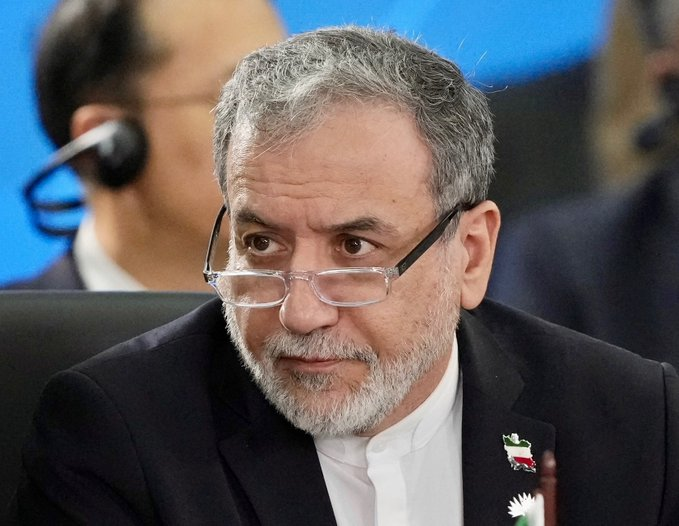
TEHRAN — Iranian Foreign Minister Abbas Araghchi has confirmed that while communication channels between Tehran and Washington remain open, there has been “no tangible progress” in the negotiation process aimed at ending the wider regional conflict .
In an interview with Lebanon’s Al Mayadeen television broadcast on Wednesday, Araghchi stated that messages continue to be exchanged between the two sides, particularly regarding the need to halt aggression against Beirut. However, he acknowledged that attempts to negotiate a diplomatic resolution have yet to produce meaningful results .
“Communications with the Americans have not been cut off, and messages have been exchanged regarding the need to stop aggression against Beirut, but no tangible progress has been made in the negotiation process,” Araghchi told Al Mayadeen, according to reports .
Lebanon Central to Any Ceasefire
Araghchi reiterated Tehran’s firm position that any ceasefire or settlement with the United States must also encompass Lebanon. Iran considers the fate of the two countries “inseparable” in the current conflict, he said .
“The fate of Lebanon and Iran is inseparable in the current conflict,” Araghchi stated, adding that any agreement “must include both countries” .
This position has emerged as a major complicating factor in US-Iran talks. Tehran insists that the war will only end “when it also ends in Lebanon,” arguing that all parties, including Hezbollah, must be part of any national dialogue to resolve the region’s problems .
The condition directly challenges the structure of US-mediated negotiations, which have attempted to treat the Iran and Lebanon fronts separately. According to reports, Iran temporarily suspended the exchange of messages with Washington through mediators in late May in protest over Israel’s continued military operations in Lebanon .
Messages Exchanged, But Formal Talks Frozen
Araghchi clarified that “no formal negotiations are taking place between Iran and the United States” at present. However, he confirmed that “messages continue to be exchanged” through intermediaries .
Both sides are reportedly “reviewing texts that have been exchanged and working toward a final formulation,” though significant gaps remain .
The Iranian foreign minister emphasized that Iran seeks “peace and security based on dignity and honor” and does not seek war. He noted that Tehran has responded positively to requests for negotiations .
However, he cautioned that Iran’s armed forces remain “ready to resume military operations at any moment and possess the capability to sustain a long war” .
Iran’s Warnings to Israel: Beirut Is a ‘Red Line’
Araghchi used the interview to issue a stark warning to Israel against any military action targeting the Lebanese capital.
“Any attack on Beirut will have grave consequences and will lead to a full-scale resumption of the war,” he told Al Mayadeen .
Araghchi revealed that Iran’s armed forces were placed “on full alert for a counterattack” when Israel recently threatened to strike Beirut’s southern suburbs. “We will not remain silent” if Beirut comes under attack, he declared .
The warning follows recent threats from Israeli military officials amid their expanding campaign against Hezbollah. However, US President Donald Trump claimed on Tuesday that he had successfully secured commitments from both Israel and Hezbollah to halt hostilities, presenting the development as a diplomatic success that averted a broader assault on the Lebanese capital .
Contradictory Signals From Washington
The Iranian assessment of stalled talks stands in contrast to more optimistic statements from US officials.
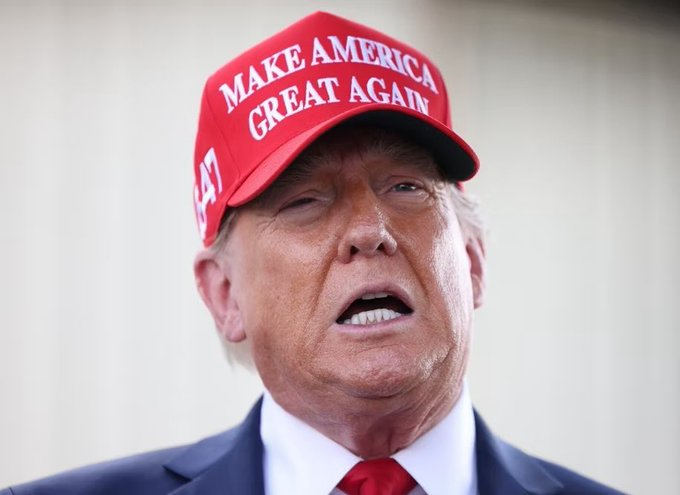
US President Donald Trump has consistently denied that negotiations have broken down. In a social media post, he insisted that discussions with Iran “are continuing at a rapid pace” .
“The conversations between us have been going on continuously, including four days ago, three days ago, two days ago, one day ago, and today,” Trump wrote .
US Secretary of State Marco Rubio, testifying before Congress this week, offered a more measured assessment. He told lawmakers that Iran’s military capabilities have been “significantly degraded” by the conflict and suggested that Tehran may now be more open to negotiations over its nuclear program .
Rubio acknowledged, however, that diplomatic exchanges in such crises often move slowly, noting that it can take several days for responses to cycle through competing political authorities on both sides .
Renewed Hostilities Test Fragile Ceasefire
The diplomatic stalemate has been accompanied by renewed military exchanges. Iran’s Islamic Revolutionary Guard Corps (IRGC) carried out missile and drone attacks on US bases in Kuwait and Bahrain earlier this week, in retaliation for a US strike on an IRGC communications tower on Qeshm Island .
US Central Command said it had “successfully defeated” the attacks, intercepting several missiles and downing Iranian drones targeting civilian shipping in regional waters .
The tit-for-tat strikes represent the latest flare-up in a conflict that has now entered its fourth month. A ceasefire brokered by Pakistan in early April remains nominally in place, but both sides have accused each other of violations .
The Core Sticking Points
Several key issues remain unresolved in the indirect talks, which have been mediated primarily by Pakistan with support from Qatar:
| Issue | US Position | Iran’s Position |
|---|---|---|
| Lebanon | Separate ceasefire track | Must be included in any agreement |
| Strait of Hormuz | Free navigation; no Iranian control | Leverage over shipping; access to revenues |
| Nuclear Program | Demands dismantlement or strict caps | Insists on peaceful use rights |
| Sanctions Relief | Tied to verifiable nuclear concessions | Demands immediate lifting |
| War Reparations | Refuses to pay | Demands compensation |
Iran is seeking access to billions of dollars in oil revenues, waivers on crude exports, a lifting of the US blockade on its ports, and continued leverage over the strategic Strait of Hormuz — through which approximately 20 percent of the world’s oil supply normally passes .
The United States has insisted that any sanctions relief will be granted only if Iran agrees to verifiable limits on its nuclear activity and guarantees free navigation through the strait .
What Comes Next
With both sides publicly holding firm on their core demands and military exchanges continuing, the prospects for an imminent diplomatic breakthrough appear limited.
US officials have suggested that a final agreement could still take months, even if both parties remain committed to the negotiation process . Iran has made clear that its participation in any formal talks is conditional on “ensuring the rights of the Iranian people, ending the war in Lebanon, and stopping tensions in the region” .
The fragile ceasefire, which has held—however tenuously—since early April, faces continued strain from ongoing Israeli operations in Lebanon and periodic Iranian retaliation against US Gulf bases.
As Araghchi summarized the situation: communications continue, but tangible progress has yet to materialize.
Frequently Asked Questions (FAQs)
Q1: What did Iran’s Foreign Minister say about the status of US talks?
A: Abbas Araghchi stated that while communication channels remain open and messages continue to be exchanged, there has been “no tangible progress” in the negotiation process. He confirmed that “no formal negotiations are taking place” at present .
Q2: Why is Lebanon central to the Iran-US talks?
A: Iran insists that any ceasefire or settlement with the United States must also encompass Lebanon. Tehran considers the fate of the two countries “inseparable” in the current conflict and argues that the war will only end “when it also ends in Lebanon” .
Q3: What warning did Iran issue to Israel regarding Beirut?
A: Araghchi warned that “any attack on Beirut will have grave consequences and will lead to a full-scale resumption of the war.” He stated that Iran’s armed forces remain “ready to strike Israel if it attacks Beirut” .
Q4: Has the ceasefire between the US and Iran collapsed?
A: The ceasefire brokered by Pakistan in early April remains nominally in place, though it has been repeatedly strained. Renewed military exchanges have occurred, including Iranian strikes on US bases in Kuwait and Bahrain and US strikes on Iranian infrastructure .
Q5: What are the main obstacles to a final agreement?
A: Key unresolved issues include: the inclusion of Lebanon in any ceasefire, control of the Strait of Hormuz, Iran’s nuclear program, the lifting of sanctions, and war reparations. Both sides have also disagreed on the sequencing of concessions .
Q6: How has the US responded to Iran’s assessment of stalled talks?
A: President Trump has denied that negotiations have broken down, insisting that discussions “are continuing at a rapid pace.” Secretary of State Rubio offered a more measured view, acknowledging that diplomatic exchanges move slowly but suggesting Iran may be more open to nuclear negotiations .
This is a developing story. Reflecto News will continue to provide updates on US-Iran negotiations, the status of the ceasefire, and any progress toward a final agreement.