US President reaffirms alliance with Israeli leader as both men publicly move past their explosive exchange, focusing on shared goals of neutralizing Iran and securing the region.
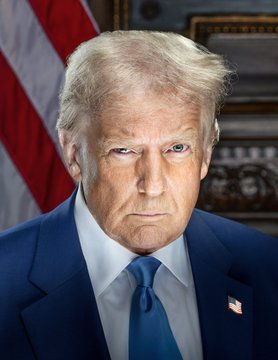
WASHINGTON — President Donald Trump described Israeli Prime Minister Benjamin Netanyahu as a “great partner” on Thursday, publicly reaffirming their alliance just days after a leaked phone call revealed Trump had called Netanyahu “f***ing crazy” and threatened that the Israeli leader would be in prison “if it weren’t for me” .
The swift move to repair any public perception of a rift underscores the complicated reality of the US-Israeli relationship during wartime: personal friction between the two leaders coexists with deep strategic alignment on the core objective of preventing Iran from obtaining a nuclear weapon.
“We’ve worked very well together. I like Bibi a lot. And I work very well with him,” Trump said in an interview earlier this week, addressing the fallout from Monday’s tense phone call .
What Sparked the Clash? Lebanon Fighting Threatens Iran Talks
Trump’s anger during the Monday phone call was not aimed at Israel’s broader war aims against Iran, but at Netanyahu’s insistence on continuing military operations in Lebanon at a delicate moment in US-Iran negotiations.
According to multiple reports, Trump told Netanyahu during the call: “You’re f*ing crazy. You’d be in prison if it weren’t for me. I’m saving your a. Everybody hates you now. Everybody hates Israel because of this” .
The outburst was triggered by Israel’s ongoing strikes against Hezbollah targets in Lebanon. Iran had conditioned its continued participation in US-led ceasefire negotiations on a halt to Israeli attacks on Lebanon, and Tehran had reportedly suspended talks in response to Israel’s actions .
Trump explained his frustration in more measured terms in subsequent interviews.
“I wouldn’t say angry. I was a little bit perturbed at his constantly fighting with Lebanon,” Trump told the “Pod Force One” podcast. “At some point, I said, Bibi, we got to stop this. We got to stop it” .
Netanyahu Downplays Rift: ‘Tactical Disagreements’
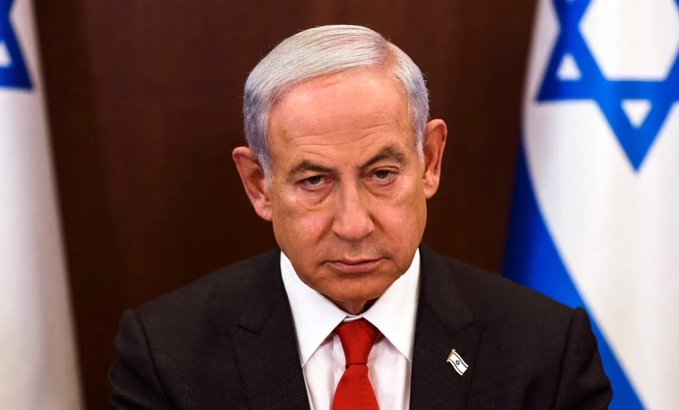
For his part, Netanyahu has consistently downplayed the significance of the exchange, describing it as a routine disagreement between allies managing a complex war.
“Sometimes we have, as in the best of families, you have these tactical disagreements. We always find a way to work them out,” Netanyahu told CNBC, adding that he and Trump remain aligned on core objectives .
Netanyahu emphasized that the US and Israel share “common goals,” particularly regarding Iran’s nuclear program, which he described as an existential threat to Israel and a danger to the United States and Europe .
Trump confirmed that the two leaders speak frequently—as often as once every two days, according to Netanyahu —and that their shared experience as wartime leaders creates a unique bond.
“I’m a wartime president,” Trump said. “He’s a wartime prime minister” .
Why the Leak? Strategic Message to Iran
The rapid disclosure of the phone call’s contents—within hours of the conversation taking place—was almost certainly intentional, strategic analysts have noted.
The leak appeared designed to serve multiple audiences simultaneously .
To Iran: Tehran needed convincing that Washington could restrain Israeli military action. A formal diplomatic assurance carries limited weight, but a leaked transcript of Trump’s fury—raw and unvarnished—functions differently. It allowed Iran to draw its own conclusions about American leverage over Israel. Within hours of the headlines breaking, Iranian negotiators reportedly returned to the table .
To Gulf allies: Qatar, the UAE, and Pakistan—all invested in sustaining the Iran diplomacy track—received domestic political cover from the visible American frustration with Netanyahu .
To the US domestic audience: Trump demonstrated to a skeptical Congress and a war-weary public that he was driving events rather than being driven by them. The portrait of a president steamrolling a recalcitrant ally plays well in the current American political climate .
The Codependent Alliance: Trump’s Leverage Over Netanyahu
The episode revealed the extent to which Netanyahu’s political fate and Israel’s war strategy have become intertwined with Trump’s preferences.
Israeli sources told Al-Monitor that Netanyahu has given Trump “a lot of power over Israel’s fortunes, as well as his own political future.” While Netanyahu successfully resisted pressure from previous US presidents—including Bill Clinton, Barack Obama, and Joe Biden—his “overreliance on Donald Trump’s support has ultimately led to a codependent relationship, and it’s too late to change anything now” .
The Washington-based Middle East-focused news outlet cited Israel’s decision to halt attacks on Beirut under US pressure as a clear example of Netanyahu’s inability to resist Trump’s demands. Israeli officials have acknowledged that while Netanyahu once had room for maneuver, Trump’s determination to secure a diplomatic solution has left the Israeli leadership with little choice but to comply .
This dynamic was on display following the heated call. Trump announced on Truth Social that Netanyahu had agreed to a ceasefire arrangement in Lebanon, pulling troops back from Beirut and agreeing to “stop the shooting” with Hezbollah. The arrangement was announced despite Netanyahu’s public position that military operations would continue “as planned” .
What Changed? A New Lebanon Ceasefire
The immediate outcome of Trump’s pressure was a new ceasefire agreement between Israel and Lebanon, brokered by the United States.
Under the terms of the agreement, Israel agreed to step back from attacking Hezbollah-controlled areas of Beirut, while Hezbollah agreed to halt cross-border strikes. The deal creates “pilot zones” in which the Lebanese Armed Forces will take exclusive control of territory, to the exclusion of all non-state actors .
A joint statement from the US, Lebanon, and Israel described the agreement as a step toward “progress towards a comprehensive peace and security agreement.” Both countries reaffirmed that they have “no hostile intent toward one another” and committed to continuing direct negotiations .
Importantly for Trump, the Lebanon ceasefire cleared a major obstacle to the US-Iran negotiations. Tehran had repeatedly stated that it would not agree to a deal with Washington unless a ceasefire also covered Lebanon, where Israel had been targeting Iran’s Hezbollah allies .
The Broader Split: Sequencing vs. Strategy
The underlying tension between Trump and Netanyahu is not about whether to confront Iran—both leaders agree on that—but about sequencing and the overall scope of the war.
Trump launched the war believing that overwhelming American military power would force a rapid Iranian capitulation. The conflict, now in its fourth month, has proven more costly and protracted than anticipated. Trump is now seeking an exit strategy that allows him to claim a diplomatic victory and turn to domestic priorities ahead of midterm elections .
Netanyahu, by contrast, views the current moment as an opportunity to comprehensively dismantle Iran’s nuclear program, ballistic missile infrastructure, and regional proxy network. He is reportedly concerned that the emerging agreement with Tehran would merely postpone an inevitable future war rather than resolve the underlying threat .
Analysts have described the divergence in stark terms: “Trump is trying to figure out a way out of it, and Netanyahu is still trying to go back to war. That’s the main divergence here” .
What Comes Next
Despite the personal friction and strategic differences, both leaders have strong incentives to maintain a functional working relationship.
For Trump, Netanyahu remains the most reliable partner in the region for managing the complex military and diplomatic challenges posed by Iran. For Netanyahu, the US alliance remains indispensable for Israel’s security, and Trump’s personal support has been a cornerstone of his political standing in Israel .
Trump’s characterization of Netanyahu as a “great partner” was not mere diplomatic nicety—it was a recognition that, as the two leaders navigate the final stages of the Iran war and the aftermath of the Lebanon ceasefire, they remain bound together by shared interests and mutual dependence.
As one Israeli official put it to Al-Monitor: “Netanyahu has succeeded in resisting pressure under Clinton, Obama, and Biden. But with Trump, it’s different. He’s in too deep now, and there’s no turning back” .
Frequently Asked Questions (FAQs)
Q1: Why did Trump call Netanyahu “crazy” during their phone call?
A: Trump was frustrated that Israel continued military operations against Hezbollah in Lebanon, which had caused Iran to suspend participation in US-led ceasefire negotiations. Trump needed a halt to the Lebanon fighting to keep the Iran talks alive and pressed Netanyahu aggressively to agree to a ceasefire .
Q2: Did Trump actually threaten to let Netanyahu go to prison?
A: According to the Axios report, which Trump later confirmed, Trump told Netanyahu: “You’d be in prison if it weren’t for me. I’m saving your a**.” Trump’s comment was widely interpreted as a reference to Netanyahu’s ongoing corruption trials in Israel, which have threatened his political career .
Q3: Did the phone call damage US-Israel relations?
A: Both leaders have publicly downplayed the significance of the exchange. Netanyahu described it as a “tactical disagreement” within a strong alliance. Trump confirmed that they have a good relationship and noted that they share the experience of being wartime leaders. However, analysts note that the episode revealed underlying tensions about how to end the war with Iran .
Q4: What did Trump achieve with the phone call?
A: Following the call, Israel agreed to a new ceasefire arrangement with Lebanon, halting attacks on Beirut and creating “pilot zones” for Lebanese Armed Forces control. This removed a major obstacle to US-Iran negotiations, and Iran reportedly returned to the negotiating table .
Q5: Why were the contents of the private phone call leaked to the media?
A: Analysts believe the leak was intentional, designed to signal to Iran that the US has genuine leverage over Israel and can restrain Israeli military action. A formal diplomatic assurance would carry less weight than an apparent unguarded transcript of Trump’s frustration with Netanyahu .
Q6: How often do Trump and Netanyahu speak?
A: According to Netanyahu, the two leaders speak frequently—as often as once every two days. This high frequency of contact reflects the intensity of the current conflict and the close coordination required between the two allies .
This is a developing story. Reflecto News will continue to provide updates on US-Israel relations, the Iran negotiations, and the implementation of the Lebanon ceasefire agreement.