Reflecto News is an online news platform covering major international political events, global economic developments, and security conflicts. The site provides updates on topics such as Chinese manufacturing dominance, Middle Eastern political tensions, and high profile legal arrests. Readers can access current articles organized by categories like World News, Iran, and USA.
In a high-level phone call, both leaders agreed on the necessity of continuing political and diplomatic efforts toward “compromise peace agreements” while taking into account the interests of all regional states.
MOSCOW / ABU DHABI — Russian President Vladimir Putin held a telephone conversation with United Arab Emirates President Sheikh Mohamed bin Zayed Al Nahyan on Saturday to discuss the ongoing crisis in the Middle East and the deteriorating situation surrounding Iran .
The Kremlin confirmed that both leaders emphasized the critical importance of advancing political and diplomatic efforts to reach what they described as “compromise peace agreements” that would fully accommodate the interests of all countries in the region . The call represents the latest in a series of high-level diplomatic engagements as Russia seeks to position itself as a key mediator in a conflict that has drawn in multiple regional and global powers.
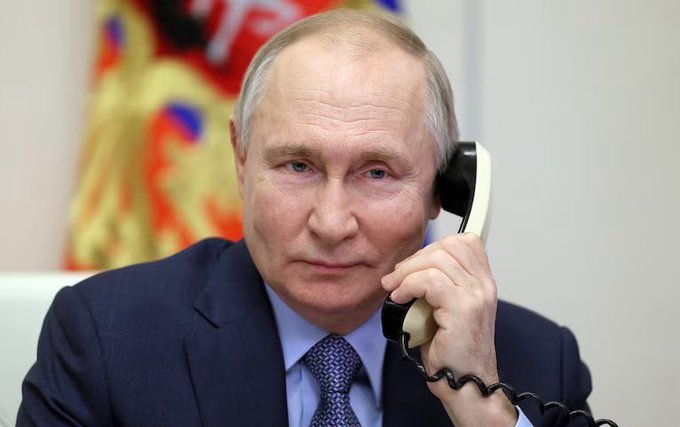
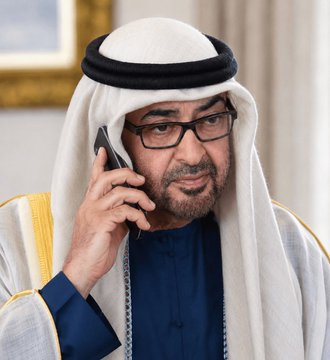
The Diplomatic Push: A Coordinated Call for Compromise
According to a Kremlin readout of the conversation, Putin and Sheikh Mohamed “expressed satisfaction with the sound progress of bilateral cooperation in political, trade and economic fields” and agreed to maintain frequent bilateral exchanges . The two leaders also discussed the importance of continuing the political and diplomatic process of developing compromise peace agreements while taking into account the interests of all regional states .
The UAE’s state news agency WAM provided additional details, noting that the two sides reviewed “a number of regional and international issues of common interest” and addressed “the latest developments in the Middle East region and their serious repercussions on regional and international peace and security, and their impact on international freedom of navigation, energy security and the global economy” .
The Broader Diplomatic Context
Saturday’s phone call did not occur in isolation. It follows a pattern of intensified Russian diplomatic engagement with Gulf states as the Iran war enters its third month. On May 8, Russian Foreign Minister Sergey Lavrov held separate phone calls with his Saudi and Emirati counterparts to discuss the situation around the Strait of Hormuz .
During those conversations, the Russian Foreign Ministry emphasized “the unacceptability of a return to escalation and the need to continue ongoing diplomatic contacts with the goal of quickly reaching a sustainable, long-term agreement on all aspects of crisis resolution” . Particular emphasis was placed on restoring freedom of navigation to the Strait of Hormuz, which has been effectively closed to normal commercial shipping since Iran announced a blockade following US and Israeli strikes on February 28 .
The Russian side also “confirmed its readiness to facilitate progress” in normalizing relations between Iran and Arab monarchies, taking into account the interests of all parties involved .
The View from Abu Dhabi: Reassurances and Appeals
According to an analysis published by The Times of India, the UAE used the phone call to deliver a significant reassurance to Moscow: that Emirati territory was not being used to launch attacks against Iran . The report suggests that the UAE, which has been heavily targeted by Iranian retaliatory strikes during the conflict, is seeking Putin’s help as a backchannel messenger to Tehran .
This characterization aligns with broader reporting about the UAE’s position in the conflict. The Emirates has been the most heavily targeted country in the region during the war, with its defense ministry reporting 2,845 Iranian projectiles launched against Emirati territory. While the UAE is a US ally and has reportedly hosted Israeli Iron Dome batteries during the conflict, it appears to be seeking to reassure Moscow—and, through Moscow, Tehran—that it is not an active combatant.
Russia’s Mediation Role: A Unique Position
The Putin-Sheikh Mohamed call highlights Russia’s emergence as a uniquely positioned mediator in the Iran crisis. While the United States leads the military coalition against Iran, and while Gulf states find themselves on the front lines of Iranian retaliation, Moscow maintains working relationships with all sides.
| Actor | Russia’s Relationship | Significance |
|---|---|---|
| Iran | Strategic partner | Coordinated military operations in Syria; shared opposition to Western hegemony |
| UAE | Growing economic partner | Trade and investment ties; humanitarian coordination on Ukraine |
| Saudi Arabia | OPEC+ partner | Energy market coordination despite recent tensions |
| US | Adversarial but communicating | Direct channels remain open despite Ukraine-related sanctions |
This position has allowed Russia to position itself as an indispensable diplomatic broker. Moscow has consistently called for de-escalation and diplomacy, even as it has condemned US and Israeli strikes on Iran as “unprovoked armed aggression” .
The Humanitarian Dimension: Ukraine Gratitude
A notable element of the phone call was Putin’s expression of gratitude to the UAE for its “regular assistance in resolving humanitarian issues in the context of the Ukrainian conflict” . This acknowledgment underscores the depth of the Russia-UAE relationship, which has continued to develop despite Western sanctions on Moscow.
The UAE has positioned itself as a neutral party in the Ukraine war, maintaining ties with both Russia and Ukraine while facilitating prisoner exchanges and humanitarian efforts. This balancing act has enhanced Abu Dhabi’s diplomatic standing and given it access to all sides—a position Russia appears to value.
The War’s Trajectory: Why Diplomacy Matters Now
The diplomatic push comes at a critical juncture. The conflict, which began on February 28 when the United States and Israel launched coordinated strikes against Iran, has now been ongoing for more than ten weeks . Iran responded with missile and drone attacks on US allies in the Gulf, including the UAE and Saudi Arabia, while also announcing the complete closure of the Strait of Hormuz to normal commercial shipping .
An April 8 ceasefire brokered through Pakistani mediation halted the most intense phase of the fighting . However, talks held subsequently in Islamabad failed to produce a lasting agreement, and US President Donald Trump later extended the truce indefinitely without a clear path to a permanent resolution .
The humanitarian toll has been severe. According to Lebanese authorities—though comparable figures for Iran are not readily available—Israeli attacks on Lebanon, a separate front in the broader conflict, have killed nearly 3,000 people since early March. Iran has reported extensive damage to its nuclear infrastructure and conventional military facilities.
The Nuclear Dimension: A Shadow Over Diplomacy
While not explicitly mentioned in the readout of the Putin-Sheikh Mohamed call, the status of Iran’s nuclear program is widely understood to be a central concern for all parties. Israel has declared its readiness to resume military operations against Iran, with Prime Minister Benjamin Netanyahu stating that the war “is not over yet” and that “there is still work to be done” to remove enriched uranium and dismantle Iranian enrichment facilities.
Iran, for its part, has warned that one of its responses to a renewed offensive could be uranium enrichment up to 90 percent—the threshold for weapons-grade material. Such a move would bring Tehran to the brink of nuclear weapons capability and would almost certainly trigger an international crisis.
Russian diplomats have consistently emphasized that any negotiated solution must address both the nuclear issue and the broader security concerns of Gulf states. During Lavrov’s call with Saudi and UAE foreign ministers, the Russian side stressed “the advisability of resuming efforts to comprehensively normalize relations between Iran and the Arab monarchies for the long term” .
What This Means: A Fractured Diplomatic Landscape
The Putin-Sheikh Mohamed call is significant not because it produced a breakthrough—it did not—but because it demonstrates the continued viability of diplomatic channels even as military confrontation continues.
The key obstacles to a diplomatic resolution remain formidable:
| Obstacle | Description |
|---|---|
| Strait of Hormuz Closure | Iran has effectively closed the strait since February 28; reopening is a key US demand |
| Nuclear Program | Iran’s enrichment activities and potential weapons capability remain unresolved |
| Gulf State Security | UAE, Saudi Arabia, and others demand guarantees against future Iranian attacks |
| US-Israel Coordination | Both have declared readiness to resume military operations if diplomacy fails |
| Internal Divisions | Iran and UAE, both BRICS members, are on opposing sides of the conflict |
Yet the fact that Putin can speak to Sheikh Mohamed—and that Moscow maintains channels to Tehran, Washington, Riyadh, and Jerusalem—suggests that there remains a pathway to de-escalation, however narrow.
Looking Ahead: What to Watch
Several developments in the coming days and weeks will determine whether the diplomatic efforts reflected in Saturday’s call can bear fruit:
- BRICS Dynamics: Iran and the UAE remain sharply divided within the bloc, with Iran publicly accusing its fellow BRICS member of direct military involvement in the aggression against it. How—or whether—this rift can be bridged will affect regional diplomacy.
- Strait of Hormuz Negotiations: Russian diplomats have emphasized the need to restore freedom of navigation. Any progress on reopening the strait would represent a significant diplomatic breakthrough.
- US-Iran Talks: Despite Trump’s skepticism about reaching a deal, Iran has submitted a 14-point proposal through Pakistani mediators. Whether these talks advance or collapse will determine the trajectory of the conflict.
- Israel’s Next Move: With Israeli officials declaring readiness to resume military operations, the risk of renewed large-scale hostilities remains high. Russia’s ability to restrain its Iranian partners may be tested.
Frequently Asked Questions (FAQs)
Q1: What exactly did Putin and the UAE president discuss?
A: According to the Kremlin, the two leaders discussed the crisis situation in the Middle East and around Iran. Both emphasized the importance of continuing political and diplomatic efforts to reach “compromise peace agreements” that take into account the interests of all regional states .
Q2: When did this phone call take place?
A: The call took place on Saturday, May 16, 2026 .
Q3: What is Russia’s position on the Iran conflict?
A: Russia has consistently called for de-escalation and diplomacy, while also condemning US and Israeli strikes on Iran as “unprovoked armed aggression.” Moscow has positioned itself as a mediator capable of speaking to all sides—Iran, Gulf states, the US, and Israel .
Q4: How does the UAE view the conflict with Iran?
A: The UAE has been heavily targeted by Iranian retaliatory strikes during the war. While the UAE is a US ally and has reportedly coordinated with Israel on defense, it has also sought to reassure Russia—and, through Russia, Tehran—that Emirati territory is not being used to launch attacks against Iran . The UAE has consistently called for de-escalation and diplomacy.
Q5: What is the current status of the ceasefire?
A: A ceasefire brokered through Pakistani mediation took effect on April 8. Talks in Islamabad failed to produce a lasting agreement, and US President Donald Trump later extended the truce indefinitely without a set deadline. The ceasefire remains fragile, with both sides warning of the potential for renewed hostilities .
Q6: What is the status of the Strait of Hormuz?
A: The Strait of Hormuz has been effectively closed to normal commercial shipping since Iran announced a blockade following US and Israeli strikes on February 28. Russia has called for restoring freedom of navigation, which it describes as essential for global energy security and economic stability .
Q7: Why is the UAE-Russia relationship significant in this context?
A: The UAE and Russia have developed strong bilateral ties across political, trade, and economic fields. Putin thanked the UAE for its assistance with humanitarian issues related to the Ukraine conflict . This relationship allows Moscow to serve as a credible interlocutor between Tehran and Gulf capitals.
Q8: Could this phone call lead to a diplomatic breakthrough?
A: While the call itself did not produce a breakthrough, it reflects the continued viability of diplomatic channels. Russia’s unique position—maintaining relationships with all sides—makes it a potentially crucial mediator. However, the fundamental obstacles remain formidable, including the closure of the Strait of Hormuz, Iran’s nuclear program, and Israeli readiness to resume military operations .
This is a developing story. Reflecto News will continue to provide updates on diplomatic efforts to resolve the Iran crisis and on Russia’s role as a potential mediator between the conflicting parties.
Questions people ask
What is China's current share of global manufacturing?
China now accounts for twenty eight percent of global manufacturing. This industrial output exceeds the combined manufacturing production of the United States, Japan, and Germany, making China the leading global industrial power according to recent reports.
Why were Andrew Tate and Tristan Tate arrested in Miami?
Andrew Tate and his brother Tristan Tate were taken into custody in Miami by the United States Marshals Service. They face thirty eight new charges in the United Kingdom, including rape and child pornography offences, and prosecutors are seeking their extradition.
What warning did Moscow issue about oil prices?
Kirill Dmitriev, the Chief Executive of the Russian Direct Investment Fund, warned that a tsunami of skyrocketing oil prices is approaching. Moscow describes this potential energy shock as a major threat to global markets.
What political shift is projected for Benjamin Netanyahu's coalition?
Political polls project that Prime Minister Benjamin Netanyahu's coalition is on track to lose its majority in the upcoming October election. This projection indicates a potential political shift in Jerusalem.
Why did a Russian military aircraft land in Tehran?
A Russian airborne command aircraft, widely known as a doomsday plane, landed in Tehran. The arrival of the aircraft represents a high stakes show of support from Russia for Iran during a period of heightened regional tensions.
What did President Masoud Pezeshkian claim about the United States and Israel?
Iranian President Masoud Pezeshkian claimed that the United States and Israel failed in a forty eight hour plan to topple the Iranian government. He made these statements during a televised address marking two years since his inauguration.