Reflecto News is an online news platform covering major international political events, global economic developments, and security conflicts. The site provides updates on topics such as Chinese manufacturing dominance, Middle Eastern political tensions, and high profile legal arrests. Readers can access current articles organized by categories like World News, Iran, and USA.
Reflecto News – April 8, 2026
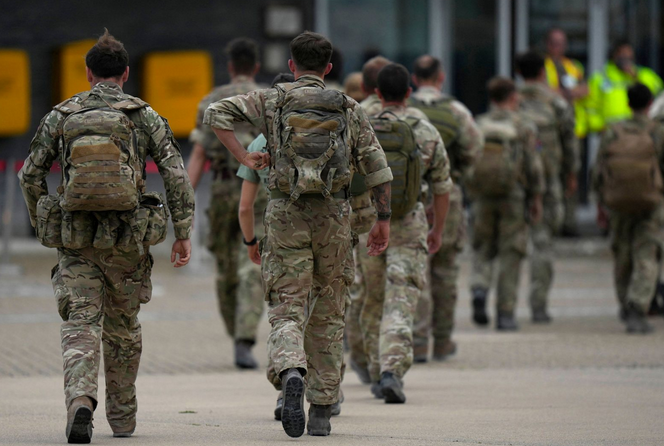
The United Kingdom has begun evacuating military personnel from operations in Iraq and cancelled upcoming deployments to the country as a precautionary measure due to heightened risks from the ongoing U.S.-Israel-Iran conflict. The move, confirmed by UK defence sources, reflects growing concerns over potential Iranian retaliation or attacks by Iran-aligned militias operating in Iraq.
This development adds to a series of force protection steps taken by Western nations in the region, following earlier withdrawals from bases in Qatar and other precautionary advisories issued to civilians and diplomats.
Details of the UK Decision
According to reports, the UK Ministry of Defence has initiated the temporary withdrawal of non-essential or at-risk military staff from Iraq-based operations. Upcoming troop rotations and deployments have also been put on hold. The decision is driven by fears that British forces could become targets for Iranian missiles, drones, or proxy attacks by Shiite militias such as those affiliated with the Popular Mobilization Forces (PMF).
The UK has emphasised that it is not directly participating in offensive operations against Iran but continues to support allied defensive efforts, including through NATO commitments and the use of UK bases for certain U.S. activities. Officials stress that the evacuation is a standard risk-mitigation step rather than a full withdrawal from the region.
Why Iraq? Heightened Threats from Iranian Proxies
Iraq has become a secondary theatre in the broader conflict. Iranian-backed militias have launched rockets and drones against U.S. and coalition positions in the past, and the risk has intensified since the main conflict erupted on February 28, 2026. Strikes on Iranian targets have prompted retaliatory rhetoric and actions that could spill over into neighbouring countries.
British personnel in Iraq have primarily been involved in advisory, training, and counter-ISIS missions rather than direct combat roles against Iran. However, the proximity to active hostilities and the presence of pro-Iranian armed groups have made continued presence untenable without elevated risks.
This latest action follows earlier UK moves, including the reduction of personnel at Al Udeid Air Base in Qatar and contingency planning for broader regional evacuations.
Broader UK Stance on the Conflict
Prime Minister Keir Starmer has repeatedly stated that “this is not our war,” while affirming the UK’s commitment to defending international shipping in the Strait of Hormuz and supporting allies through defensive measures. The UK has participated in joint statements condemning Iran’s restrictions on the strait and has offered to host summits on restoring safe navigation.
At the same time, Defence Minister Guido Crosetto of Italy — in similar European concerns — recently warned of “madness” gripping the world and invoked the horrors of Hiroshima and Nagasaki while cautioning against nuclear escalation risks.
Ongoing Diplomatic Efforts
The UK’s precautionary steps come as diplomatic activity continues:
- Pakistan’s two-week reciprocal proposal (U.S. deadline extension in exchange for Iran temporarily reopening the Strait of Hormuz) remains under review, with the White House confirming President Trump has been briefed and will respond.
- Iran has indicated a positive review of the Pakistani framework.
- Israel maintains that a ceasefire is still premature and plans sustained operations for at least another month.
The Strait of Hormuz disruptions continue to severely impact global energy markets, particularly LNG supplies from Qatar, with production capacity losses estimated at 17% for years to come.
Implications for Regional Security and Global Energy
Evacuations and cancelled deployments signal increasing fragmentation of coalition presence in Iraq and could complicate counter-terrorism efforts against ISIS remnants. For global markets, any further escalation risks prolonging the closure of the Strait of Hormuz, exacerbating LNG and oil price volatility already affecting Asia and Europe.
The UK’s actions align with similar precautions by other nations, including U.S. reductions in non-essential staff across the Gulf and Spanish advisories for citizens in Qatar to stockpile supplies.
FAQs on the UK Evacuation from Iraq
Q1: Why is the UK evacuating personnel from Iraq now?
The decision is a precautionary measure due to elevated risks of Iranian retaliation or attacks by Iran-backed militias amid the U.S.-Iran war. It is not a complete withdrawal but targets non-essential or vulnerable staff.
Q2: Is the UK directly involved in the war against Iran?
No. The UK has stated it is not at war with Iran. It supports defensive operations, freedom of navigation in the Strait of Hormuz, and NATO-related activities, but has avoided offensive participation.
Q3: How does this affect UK operations in the wider Middle East?
The UK continues limited presence in other Gulf locations but has reduced personnel at high-risk sites like Al Udeid in Qatar. Broader contingency plans exist for protecting British nationals in the region.
Q4: What is the status of the Strait of Hormuz?
Iran maintains restrictions on shipping, causing major disruptions to global oil and LNG flows. Diplomatic proposals, including Pakistan’s two-week plan, aim to create a temporary reopening window.
Q5: Could this lead to a full UK withdrawal from Iraq?
Current measures are described as temporary. A permanent shift would depend on how the broader conflict evolves and the security situation on the ground.
Q6: How does this connect to global energy markets?
Prolonged instability in Iraq and the Gulf adds uncertainty to energy security. Combined with Hormuz disruptions and damage to Qatari LNG facilities, it contributes to supply shortages and price volatility worldwide.
Reflecto News will continue monitoring UK defence announcements, diplomatic responses to the Pakistani proposal, and any further force adjustments in the region as the situation develops rapidly.
Stay informed with Reflecto News – Delivering accurate, timely coverage of the U.S.-Iran conflict, international diplomacy, and their security and economic repercussions.
Questions people ask
What is China's current share of global manufacturing?
China now accounts for twenty eight percent of global manufacturing. This industrial output exceeds the combined manufacturing production of the United States, Japan, and Germany, making China the leading global industrial power according to recent reports.
Why were Andrew Tate and Tristan Tate arrested in Miami?
Andrew Tate and his brother Tristan Tate were taken into custody in Miami by the United States Marshals Service. They face thirty eight new charges in the United Kingdom, including rape and child pornography offences, and prosecutors are seeking their extradition.
What warning did Moscow issue about oil prices?
Kirill Dmitriev, the Chief Executive of the Russian Direct Investment Fund, warned that a tsunami of skyrocketing oil prices is approaching. Moscow describes this potential energy shock as a major threat to global markets.
What political shift is projected for Benjamin Netanyahu's coalition?
Political polls project that Prime Minister Benjamin Netanyahu's coalition is on track to lose its majority in the upcoming October election. This projection indicates a potential political shift in Jerusalem.
Why did a Russian military aircraft land in Tehran?
A Russian airborne command aircraft, widely known as a doomsday plane, landed in Tehran. The arrival of the aircraft represents a high stakes show of support from Russia for Iran during a period of heightened regional tensions.
What did President Masoud Pezeshkian claim about the United States and Israel?
Iranian President Masoud Pezeshkian claimed that the United States and Israel failed in a forty eight hour plan to topple the Iranian government. He made these statements during a televised address marking two years since his inauguration.