Reflecto News is an online news platform covering major international political events, global economic developments, and security conflicts. The site provides updates on topics such as Chinese manufacturing dominance, Middle Eastern political tensions, and high profile legal arrests. Readers can access current articles organized by categories like World News, Iran, and USA.
Published on Reflecto News | World News | Diplomacy & Energy Security
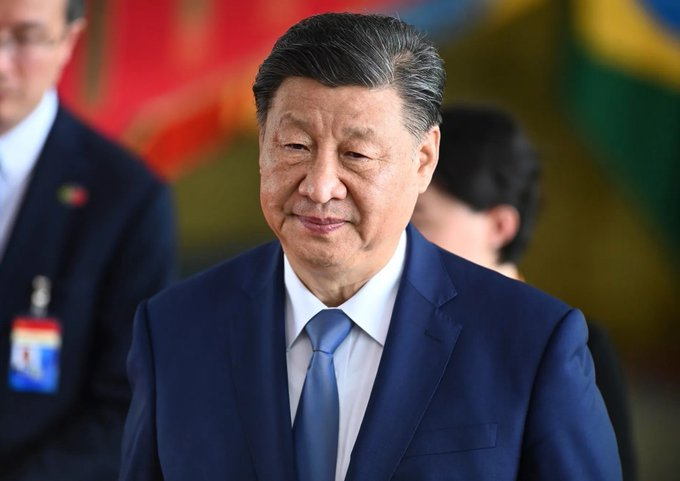
China has issued a sharp condemnation of the United States’ naval blockade in the Strait of Hormuz, calling the operation “dangerous and irresponsible” and warning that it risks further destabilizing an already volatile region. The statement, released by China’s Ministry of Foreign Affairs, marks Beijing’s most direct criticism of Washington’s military posture since the Iran war began on February 28 .
“The US naval blockade in the Strait of Hormuz is dangerous and irresponsible. China opposes any unilateral military action that escalates tensions and threatens the stability of the region.” — Chinese Foreign Ministry Spokesperson
‘Dialogue Is the Only Correct Path’
The Chinese Foreign Ministry emphasized that the root cause of the current crisis is the US-Israeli military campaign against Iran and called for an immediate return to diplomacy.
“The only way to resolve differences is through dialogue and negotiation. China urges all parties to exercise restraint and return to the path of political and diplomatic solutions.” — Chinese Foreign Ministry Spokesperson
Beijing’s statement also reiterated its call for the resumption of the 2015 Joint Comprehensive Plan of Action (JCPOA) as a framework for resolving the nuclear issue, though the deal has been defunct since the US withdrawal in 2018 .
A Direct Challenge to US Enforcement
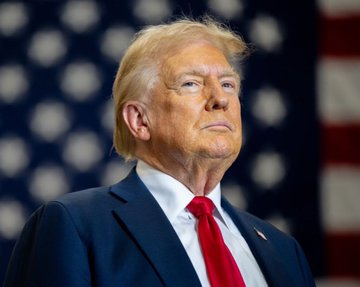
China’s condemnation comes less than 24 hours after a Chinese-owned tanker under active US sanctions successfully transited the strait, testing President Donald Trump’s resolve to enforce the blockade .
The Rich Starry, owned by Shanghai Xuanrun Shipping Co Ltd — a company blacklisted by the US Treasury for its dealings with Iran — passed through the strategic waterway despite the blockade . Its owner is sanctioned by the US, and its transit was interpreted by leading shipping journal Lloyd’s List as a “test” of President Trump’s blockade .
China’s diplomatic condemnation and its tanker’s defiance of the blockade are likely coordinated, signaling that Beijing will not accept Washington’s unilateral assertion of control over international waters .
Strategic Implications: A Direct Challenge to US Naval Primacy
The US naval blockade, which began on April 13, is designed to cut off Iran’s oil exports and force Tehran back to the negotiating table following the collapse of peace talks in Islamabad . However, China’s response — both rhetorical and operational — represents a direct challenge to US naval primacy.
By openly defying the blockade and condemning it as “dangerous,” Beijing is asserting that the US does not have the authority to unilaterally close an international waterway. It also signals that China is prepared to protect its energy supply lines, even if that means confronting the US Navy.
The Strait of Hormuz is a critical artery for China’s energy security, supplying nearly 40 percent of its oil and at least 30 percent of its LNG needs . Any disruption to traffic through the strait threatens China’s economic stability.
China’s Role as a Mediator
Despite its condemnation of the US blockade, China has also positioned itself as a potential mediator in the conflict. Beijing has maintained communication channels with both Washington and Tehran throughout the war, and has called for restraint from all parties .
China’s Foreign Minister Wang Yi has urged global stakeholders to push for peace talks between Tehran and Washington, and Beijing has offered to facilitate dialogue . While Pakistan has taken the lead in mediating direct US-Iran talks, China’s influence over Tehran — as Iran’s largest trading partner and a permanent member of the UN Security Council — gives it significant diplomatic leverage.
The ‘Double Chokepoint’ Crisis
China’s warning comes as the US finds itself facing a “double chokepoint” crisis in the Middle East. Not only is the US Navy enforcing a blockade in the Strait of Hormuz, but its aircraft carriers are being forced to sail around Africa to avoid the Red Sea, which is controlled by Iran-backed Houthi forces in Yemen .
The USS George H.W. Bush carrier strike group is currently circumnavigating Africa rather than taking the direct route through the Suez Canal, deliberately avoiding the Red Sea and the Bab el-Mandeb Strait — waters controlled by Yemen’s Iran-backed Ansar Allah (Houthi) movement . The extraordinary maneuver adds weeks to the carrier’s transit time and underscores the severity of the threat posed by Iran’s regional proxies.
What Comes Next
As the US blockade continues and China condemns it as “dangerous and irresponsible,” several critical questions remain:
| Question | Implication |
|---|---|
| Will China test the blockade further? | More Chinese tankers may attempt transit |
| Can the US enforce the blockade without confronting China? | A direct US-China incident could escalate dramatically |
| Will other nations follow China’s lead? | India, Japan, and South Korea may also challenge the blockade |
| How will Iran respond? | Tehran has threatened to close other regional ports |
China’s condemnation of the US blockade and its tanker’s defiance of it represent a coordinated challenge to Washington’s assertion of control over international waters. As the crisis continues, the risk of a direct US-China confrontation — with potentially catastrophic consequences for global energy markets — has significantly increased.
Frequently Asked Questions (FAQs)
1. What did China say about the US naval blockade?
China condemned the blockade as “dangerous and irresponsible,” urging all parties to exercise restraint and return to diplomatic solutions.
2. Did a Chinese tanker defy the US blockade?
Yes. The Rich Starry, a Chinese-owned tanker under active US sanctions, successfully transited the Strait of Hormuz after the blockade went into effect, in what shipping journal Lloyd’s List called a “test” of President Trump’s resolve.
3. Why is China speaking out against the blockade?
China relies on the Strait of Hormuz for nearly 40 percent of its oil imports. Any disruption threatens China’s economic stability. Beijing is also asserting that the US does not have the authority to unilaterally close an international waterway.
4. Is China trying to mediate the conflict?
Yes. China has maintained communication channels with both Washington and Tehran and has offered to facilitate dialogue. However, Pakistan has taken the lead in mediating direct US-Iran talks.
5. What is the ‘double chokepoint’ crisis?
The US is enforcing a blockade in the Strait of Hormuz while simultaneously being forced to sail its aircraft carriers around Africa to avoid the Red Sea, which is controlled by Iran-backed Houthi forces in Yemen.
Stay informed with Reflecto News – Your trusted source for breaking defense, energy, and geopolitical intelligence. Subscribe for real-time updates on the US-China-Iran standoff, the Strait of Hormuz crisis, and global energy markets.
Questions people ask
What is China's current share of global manufacturing?
China now accounts for twenty eight percent of global manufacturing. This industrial output exceeds the combined manufacturing production of the United States, Japan, and Germany, making China the leading global industrial power according to recent reports.
Why were Andrew Tate and Tristan Tate arrested in Miami?
Andrew Tate and his brother Tristan Tate were taken into custody in Miami by the United States Marshals Service. They face thirty eight new charges in the United Kingdom, including rape and child pornography offences, and prosecutors are seeking their extradition.
What warning did Moscow issue about oil prices?
Kirill Dmitriev, the Chief Executive of the Russian Direct Investment Fund, warned that a tsunami of skyrocketing oil prices is approaching. Moscow describes this potential energy shock as a major threat to global markets.
What political shift is projected for Benjamin Netanyahu's coalition?
Political polls project that Prime Minister Benjamin Netanyahu's coalition is on track to lose its majority in the upcoming October election. This projection indicates a potential political shift in Jerusalem.
Why did a Russian military aircraft land in Tehran?
A Russian airborne command aircraft, widely known as a doomsday plane, landed in Tehran. The arrival of the aircraft represents a high stakes show of support from Russia for Iran during a period of heightened regional tensions.
What did President Masoud Pezeshkian claim about the United States and Israel?
Iranian President Masoud Pezeshkian claimed that the United States and Israel failed in a forty eight hour plan to topple the Iranian government. He made these statements during a televised address marking two years since his inauguration.