U.S. intelligence agencies have concluded that Iran is unlikely to fully reopen the Strait of Hormuz in the near term, despite limited test transits by vessels from France and India. The assessment reflects Tehran’s continued use of the waterway as leverage amid the ongoing U.S.-Israeli war, with Iranian officials maintaining selective control and warning of further escalation if pressure on Iran intensifies.
By Reflecto News Desk
April 3, 2026 | Washington / Tehran
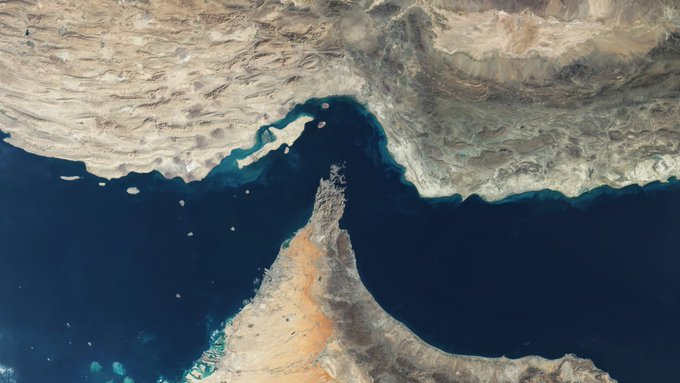
According to Reuters, citing U.S. officials briefed on the latest intelligence, Iran continues to exert significant influence over traffic through the strait by allowing only sporadic, case-by-case passages while keeping the bulk of commercial shipping disrupted. This strategy is seen as a key bargaining chip and deterrent against deeper U.S. or Israeli military actions.
The assessment comes even as two notable transits occurred recently:
- A French-linked CMA CGM container vessel successfully crossed the strait.
- An Indian-flagged oil tanker completed a passage without reported interference.
These limited movements have provided some relief to Asian energy markets but fall far short of restoring pre-war volumes.
Strategic Importance and Current Disruptions
The Strait of Hormuz remains one of the world’s most critical energy chokepoints. Before the conflict escalated in late February 2026, it carried:
- Approximately 20.3 million barrels of oil and petroleum products per day.
- Roughly 290 million cubic meters of LNG daily, with over 80% destined for Asia.
Disruptions have caused sharp volatility in global energy prices, forcing many Asian buyers to rely on alternative supplies and stockpiles. China has responded by reselling record amounts of LNG (1.31 million metric tons year-to-date) to help countries such as South Korea, Japan, India, and others manage shortages.
U.S. intelligence views Iran’s current posture as deliberate: Tehran is balancing its threats of stronger retaliation with pragmatic allowances for certain partners (particularly non-Western or neutral-flagged vessels) while refusing a full reopening until it secures concessions, such as sanctions relief or a de-escalation agreement.
Broader Conflict Developments
The intelligence assessment arrives amid continued military friction:
- An Iranian drone strike recently heavily damaged a U.S. Army CH-47 Chinook helicopter at an airbase in Kuwait.
- The U.S. has lost at least seven aircraft since the war began, including a recent F-15 fighter jet crash inside Iran and a Blackhawk struck during the rescue mission (all crew safe).
- Israeli Prime Minister Benjamin Netanyahu has stated that Israel continues to eliminate Iranian leaders and destroy critical infrastructure.
- Civilian and infrastructure impacts persist across the Gulf, including shrapnel injuries in Ajman, UAE, and damage to facilities in Kuwait and the UAE.
Diplomatic activity continues in parallel:
- Italian Prime Minister Giorgia Meloni is visiting Saudi Arabia, Qatar, and the UAE to discuss energy security and regional stability.
- Former Iranian Foreign Minister Mohammad Javad Zarif has publicly urged Tehran to “declare victory” and pursue negotiations to end the war.
- Defense Secretary Pete Hegseth has removed several top Army leaders, including Gen. Randy George, amid an internal Pentagon power struggle.
Outlook
U.S. intelligence believes Iran will maintain its current selective-control approach for the foreseeable future, using the strait’s status as leverage in any potential talks. A full reopening would likely require a significant diplomatic breakthrough or a major shift in the military balance.
The prolonged disruption continues to exert upward pressure on global energy prices and forces importers to seek costly alternatives, with ripple effects felt from Asia to Europe.
Reflecto News will continue monitoring U.S. and Iranian statements on the Strait of Hormuz, any further commercial transits, diplomatic efforts involving European and Gulf leaders, and the evolving military situation in the Iran conflict.
Sources: Reuters (April 3, 2026), U.S. intelligence assessments, maritime tracking data, and prior reporting on Gulf incidents. The situation in the strait and the wider conflict remains highly fluid.