Reflecto News is an online news platform covering major international political events, global economic developments, and security conflicts. The site provides updates on topics such as Chinese manufacturing dominance, Middle Eastern political tensions, and high profile legal arrests. Readers can access current articles organized by categories like World News, Iran, and USA.
Reflecto News
Breaking analysis of the high-stakes US-Iran ceasefire and upcoming Islamabad talks
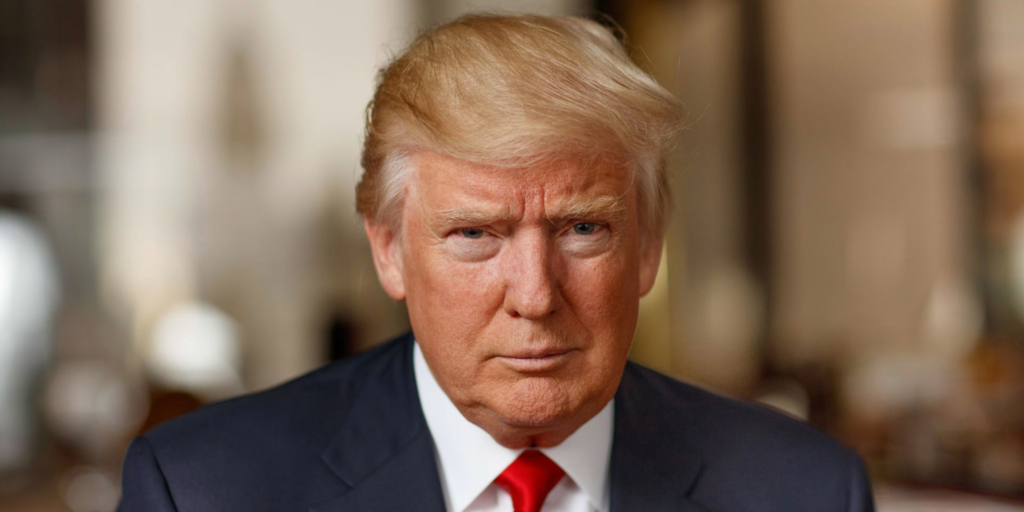
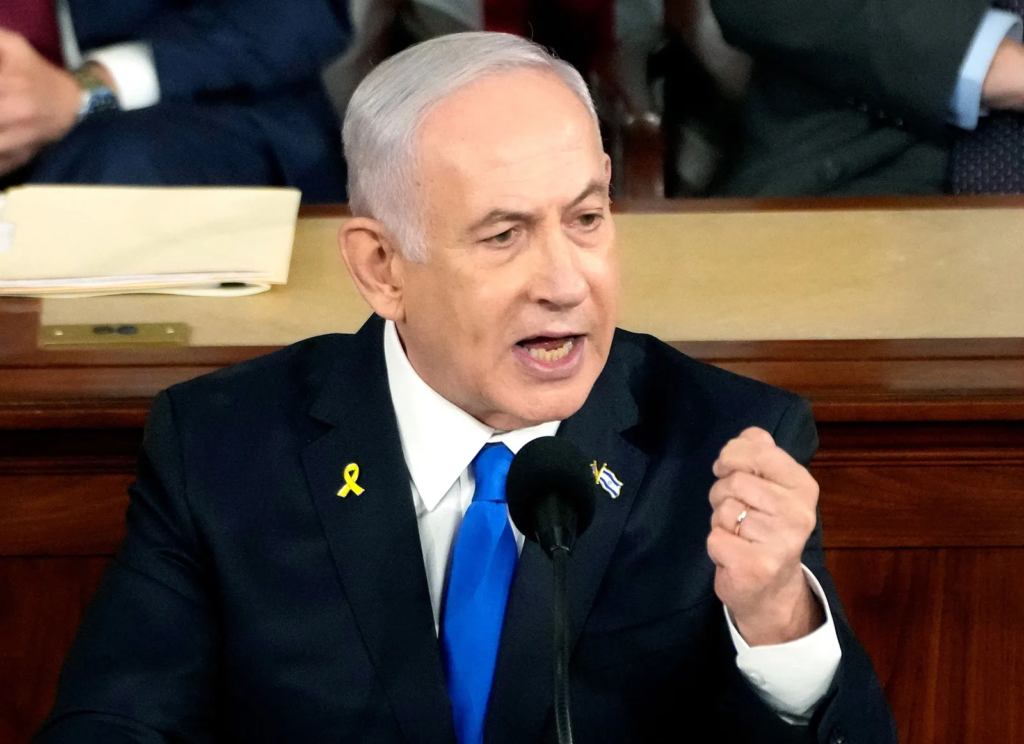
In a significant clarification of US negotiating red lines, the Trump administration has told Israel that it will firmly demand Iran remove all nuclear material from the country, completely end uranium enrichment activities, and eliminate its ballistic missile threat during the upcoming two-week negotiations. This stance comes amid the fragile US-Iran ceasefire, ongoing missile exchanges between Iran and Israel, and uncertainty over when the truce officially begins.
The demands, conveyed to Israeli officials, underscore Washington’s commitment to addressing core security concerns shared with Israel and regional allies, even as Iran continues limited missile launches and the exact timeline for the ceasefire remains unresolved.
Context of the Ceasefire and Negotiations
The two-week ceasefire was announced after intense mediation, primarily by Pakistan, just before President Donald Trump’s deadline for Iran to ensure safe reopening of the Strait of Hormuz. Under the deal, the US has suspended offensive military operations against Iran in exchange for Tehran allowing coordinated commercial shipping through the critical waterway, which handles about one-fifth of global oil supplies.
Negotiations between US and Iranian delegations are scheduled to begin Friday in Islamabad, Pakistan. The Trump administration views Iran’s 10-point proposal as a “workable basis” for talks but has explicitly rejected claims of full acceptance, particularly on issues like sanctions relief and enrichment rights.
US Demands in Detail
According to officials familiar with the communications:
- Removal of nuclear material: The US seeks the extraction and control of Iran’s entire stockpile of enriched uranium (including approximately 900-970 pounds of near-weapons-grade material) to prevent any future weaponization or “dirty bomb” risks.
- End to uranium enrichment: A complete halt to all enrichment activities, moving toward “zero enrichment” — a long-standing US and Israeli position that directly contradicts Iran’s insistence on its right to peaceful enrichment.
- Elimination of ballistic missile threat: Significant curbs or dismantlement of Iran’s missile program, including range and capability restrictions, to reduce threats to Israel, US forces, and Gulf neighbors.
President Trump has stated that Iran’s uranium “will be perfectly taken care of” under any deal, while Israeli Prime Minister Benjamin Netanyahu’s office affirmed support for US efforts to ensure Iran no longer poses a nuclear, missile, or terror threat. These objectives are described as shared priorities among the US, Israel, and regional allies.
Clash with Iran’s 10-Point Plan
Iran’s proposal, relayed via Pakistani channels, includes demands for full lifting of US and international sanctions, recognition of its uranium enrichment rights, controlled Iranian sovereignty over the Strait of Hormuz, and security guarantees. Tehran has framed the ceasefire as not ending the war but providing space for a permanent resolution aligned with its core interests.
The wide gap between US demands (zero enrichment, material removal, missile curbs) and Iranian positions (acceptance of enrichment, sanctions relief) suggests intense and potentially prolonged bargaining ahead. Iran has continued missile activity toward Israel, viewing it as defensive, while Israeli strikes on Iranian targets have also persisted in some reports.
Ongoing Military Situation
- US posture: Offensive operations against Iran remain halted, though defensive measures continue.
- Iran-Israel exchanges: Iran maintains missile launches at Israel, with interceptions reported; Israel has confirmed continued operations against perceived threats.
- Strait of Hormuz: Partial or gradual reopening is expected if the ceasefire holds, offering potential relief to global energy markets already showing signs of easing oil prices.
Reactions
- United States: The administration emphasizes a “total and complete victory” through pressure and diplomacy, with Trump highlighting the ceasefire as enabling a stronger long-term deal.
- Israel: Supports the pause but insists on verifiable elimination of Iranian nuclear and missile dangers; continued operations reflect independent security needs.
- Iran: Welcomes the breathing room but conditions full compliance on cessation of all attacks and progress toward its demands.
- Pakistan: As host and key mediator, Islamabad urges restraint and constructive engagement in the talks.
Economic and Global Implications
Any successful agreement could stabilize oil markets and reduce inflationary pressures worldwide. However, failure to bridge divides risks renewed closure of the Strait of Hormuz, escalated hostilities, and broader regional spillover involving Lebanon and proxies.
Humanitarian concerns persist, with calls for de-escalation to protect civilians amid ongoing strikes and displacement.
What Happens Next?
The two-week window provides a narrow opportunity for diplomacy in Islamabad. Progress will depend on whether the US can secure verifiable concessions on nuclear material, enrichment, and missiles, or if compromises emerge on sanctions and security guarantees. Extensions are possible by mutual agreement, but violations could quickly collapse the truce.
Reflecto News will continue monitoring developments, including any official statements from negotiations and shifts on the ground.
FAQs: US Demands in Iran Negotiations Amid Ceasefire
Q1: What specific demands has the Trump administration conveyed to Israel?
The US will demand that Iran remove all nuclear material from the country, halt uranium enrichment entirely, and eliminate its ballistic missile threat during the two-week talks.
Q2: Does this align with Iran’s 10-point plan?
No. Iran’s plan seeks acceptance of its enrichment program and lifting of sanctions, creating a major gap with US positions on zero enrichment and material removal.
Q3: Has the ceasefire officially started?
No agreed start time was set. The US has paused offensive strikes, but missile exchanges between Iran and Israel continue.
Q4: Will Israel halt operations against Iran?
Israel supports the US-Iran pause conditionally but maintains independent actions against threats, including in Lebanon.
Q5: What role does the Strait of Hormuz play?
Iran’s commitment to safe, coordinated shipping is a key condition for the ceasefire. Reopening could ease global energy concerns.
Q6: What are the chances of a permanent deal?
Optimism is cautious. Deep divisions on nuclear and missile issues make breakthroughs challenging, though the two-week period allows intensive negotiations in Islamabad.
This latest revelation highlights the ambitious scope of US objectives in a conflict that has already reshaped Middle East dynamics. Stay with Reflecto News for ongoing, accurate coverage as talks unfold.
Questions people ask
What is China's current share of global manufacturing?
China now accounts for twenty eight percent of global manufacturing. This industrial output exceeds the combined manufacturing production of the United States, Japan, and Germany, making China the leading global industrial power according to recent reports.
Why were Andrew Tate and Tristan Tate arrested in Miami?
Andrew Tate and his brother Tristan Tate were taken into custody in Miami by the United States Marshals Service. They face thirty eight new charges in the United Kingdom, including rape and child pornography offences, and prosecutors are seeking their extradition.
What warning did Moscow issue about oil prices?
Kirill Dmitriev, the Chief Executive of the Russian Direct Investment Fund, warned that a tsunami of skyrocketing oil prices is approaching. Moscow describes this potential energy shock as a major threat to global markets.
What political shift is projected for Benjamin Netanyahu's coalition?
Political polls project that Prime Minister Benjamin Netanyahu's coalition is on track to lose its majority in the upcoming October election. This projection indicates a potential political shift in Jerusalem.
Why did a Russian military aircraft land in Tehran?
A Russian airborne command aircraft, widely known as a doomsday plane, landed in Tehran. The arrival of the aircraft represents a high stakes show of support from Russia for Iran during a period of heightened regional tensions.
What did President Masoud Pezeshkian claim about the United States and Israel?
Iranian President Masoud Pezeshkian claimed that the United States and Israel failed in a forty eight hour plan to topple the Iranian government. He made these statements during a televised address marking two years since his inauguration.