Reflecto News is an online news platform covering major international political events, global economic developments, and security conflicts. The site provides updates on topics such as Chinese manufacturing dominance, Middle Eastern political tensions, and high profile legal arrests. Readers can access current articles organized by categories like World News, Iran, and USA.
Reflecto News
Real-time coverage of the complex US-Iran ceasefire and its implications for the broader Middle East conflict
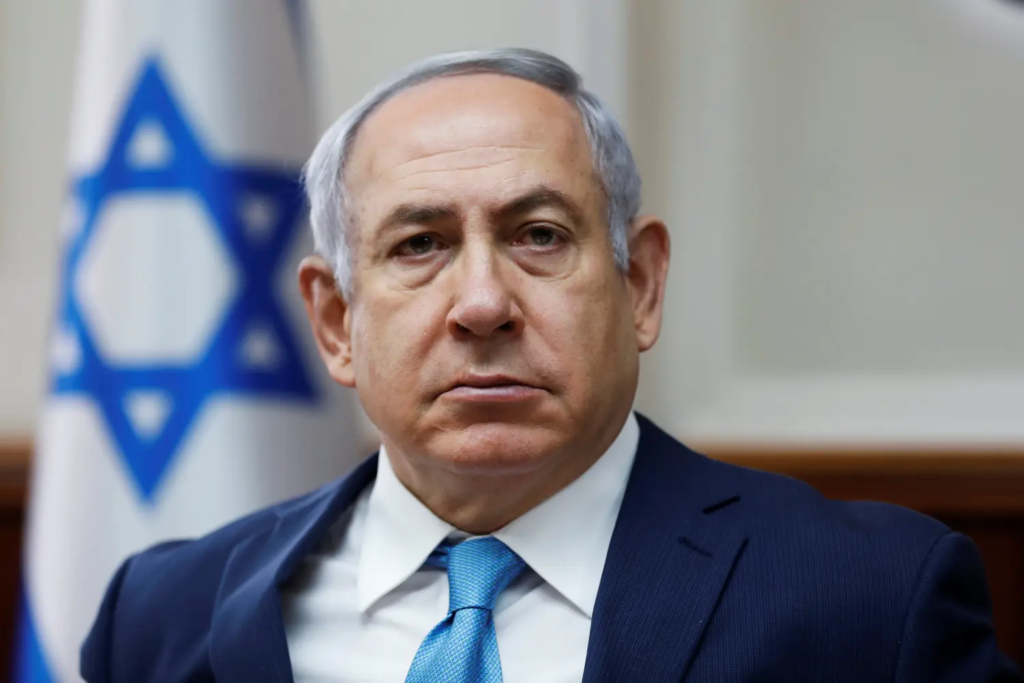
Israeli Prime Minister Benjamin Netanyahu’s office has issued a clear statement supporting the US decision to suspend strikes on Iran for two weeks, but explicitly clarifying that the ceasefire does not include Lebanon. This position directly contradicts claims by Pakistan’s Prime Minister Shehbaz Sharif and Iranian officials, who indicated the truce would extend to all fronts, including Israel’s ongoing military campaign against Hezbollah in Lebanon.
The announcement comes as the fragile two-week ceasefire between the United States and Iran remains without a confirmed start time, US offensive operations against Iran are paused, and missile exchanges between Iran and Israel continue.
Netanyahu’s Statement in Full Context
According to the statement from Netanyahu’s office:
“Israel supports President Trump’s decision to suspend strikes against Iran for two weeks subject to Iran immediately opening the straits and stopping all attacks on the US, Israel and countries in the region. The two-weeks ceasefire does not include Lebanon.”
This caveat underscores Israel’s determination to maintain pressure on Hezbollah, an Iranian-backed group, independently of the bilateral US-Iran arrangement. Israeli operations in Lebanon, including airstrikes and ground activities, are expected to persist.
Diverging Interpretations of the Ceasefire
- US Position: The truce primarily addresses direct hostilities between Washington and Tehran, tied to Iran allowing safe, coordinated shipping through the Strait of Hormuz. President Donald Trump has not publicly addressed the Lebanon issue in detail.
- Iranian and Pakistani View: Both Tehran and Islamabad have described the agreement as covering “all fronts,” including cessation of conflict involving Hezbollah in Lebanon. Iran has linked full compliance to a halt in attacks across the region.
- Israeli Stance: Israel backs the pause on strikes against Iran but reserves the right to continue operations against perceived threats from Hezbollah, emphasizing that the deal does not bind its actions in Lebanon.
This discrepancy highlights the challenges of multilateral de-escalation in a conflict involving multiple actors and proxy forces.
Ongoing Military Developments
Despite the announced ceasefire:
- Iran continues to launch missiles toward Israel.
- Israeli forces maintain strikes on Iranian targets and intensify operations in southern Lebanon.
- US forces have halted offensive actions against Iran but remain in a defensive posture.
The lack of an agreed start time for the two-week pause adds further uncertainty, with both sides interpreting commitments differently.
Strait of Hormuz Remains Central
A key condition of the US-Iran understanding is Iran’s pledge to permit safe commercial transit through the Strait of Hormuz, coordinated by its armed forces. The waterway, vital for roughly 20% of global oil supplies, had faced restrictions that spiked energy prices. Gradual reopening is anticipated if the ceasefire holds on the direct US-Iran track, potentially stabilizing markets.
US Demands for Upcoming Talks
The Trump administration has conveyed to Israel its intention to demand during negotiations in Islamabad that Iran:
- Remove all nuclear material from the country.
- Completely end uranium enrichment.
- Eliminate its ballistic missile threat.
These objectives align with long-standing US and Israeli security priorities but clash with Iran’s 10-point proposal, which seeks recognition of enrichment rights and full sanctions relief.
Reactions from Key Stakeholders
- Israel: Netanyahu’s office welcomes the US pause on Iran but insists operations against Hezbollah will continue to neutralize threats.
- United States: The White House frames the ceasefire as a diplomatic opportunity enabled by pressure, while denying full acceptance of Iran’s 10-point plan.
- Iran: Officials view the pause as a step toward permanent resolution but condition compliance on comprehensive regional de-escalation, including Lebanon.
- Pakistan: As the main mediator, Islamabad has urged all parties to honor the agreement and proceed with talks scheduled for Friday.
Global markets have shown cautious relief, with oil prices easing on hopes of Strait reopening, though volatility persists due to the Lebanon dispute.
Broader Implications
The exclusion of Lebanon from the ceasefire risks prolonging humanitarian suffering and displacement in the country while complicating efforts to reach a permanent US-Iran deal. Analysts warn that sustained fighting in Lebanon could undermine trust in the two-week window and lead to renewed escalation across fronts.
International calls for clarity and verifiable mechanisms are growing to prevent miscalculation.
What Happens Next?
US and Iranian delegations are set to engage in talks in Islamabad starting Friday. Success will require bridging deep gaps on nuclear issues, missiles, sanctions, and now the Lebanon front. Any extension of the ceasefire would need mutual consent, but repeated violations could collapse the fragile framework quickly.
Reflecto News will provide continuous updates as the situation develops, including any statements from negotiations or shifts in military activity.
FAQs: Netanyahu’s Statement on Ceasefire and Lebanon
Q1: Does the US-Iran two-week ceasefire include Lebanon?
According to Israeli Prime Minister Benjamin Netanyahu, no. His office explicitly stated that the ceasefire “does not include Lebanon,” despite claims by Pakistan and Iran that it covers all fronts, including Hezbollah operations.
Q2: What does Israel plan to do in Lebanon?
Israel intends to continue military operations against Hezbollah, viewing them as separate from the bilateral US-Iran truce.
Q3: Has the ceasefire officially begun?
No specific start time has been agreed upon. The US has paused offensive strikes on Iran, but missile exchanges and operations in Lebanon persist.
Q4: What is the status of the Strait of Hormuz?
Iran has committed to safe, coordinated shipping during the ceasefire period, a central condition for the US suspension of attacks.
Q5: When and where will negotiations take place?
Talks between US and Iranian delegations are scheduled to begin on Friday in Islamabad, Pakistan.
Q6: How might the Lebanon issue affect the peace process?
Continued fighting in Lebanon could erode trust, complicate Islamabad talks, and increase the risk of wider regional escalation or breakdown of the two-week pause.
This latest clarification from Israel adds another layer of complexity to an already fluid and high-stakes diplomatic effort. Reflecto News remains committed to delivering accurate, timely reporting on developments in the US-Iran conflict and its ripple effects across the Middle East. Stay tuned for further updates.
Questions people ask
What is China's current share of global manufacturing?
China now accounts for twenty eight percent of global manufacturing. This industrial output exceeds the combined manufacturing production of the United States, Japan, and Germany, making China the leading global industrial power according to recent reports.
Why were Andrew Tate and Tristan Tate arrested in Miami?
Andrew Tate and his brother Tristan Tate were taken into custody in Miami by the United States Marshals Service. They face thirty eight new charges in the United Kingdom, including rape and child pornography offences, and prosecutors are seeking their extradition.
What warning did Moscow issue about oil prices?
Kirill Dmitriev, the Chief Executive of the Russian Direct Investment Fund, warned that a tsunami of skyrocketing oil prices is approaching. Moscow describes this potential energy shock as a major threat to global markets.
What political shift is projected for Benjamin Netanyahu's coalition?
Political polls project that Prime Minister Benjamin Netanyahu's coalition is on track to lose its majority in the upcoming October election. This projection indicates a potential political shift in Jerusalem.
Why did a Russian military aircraft land in Tehran?
A Russian airborne command aircraft, widely known as a doomsday plane, landed in Tehran. The arrival of the aircraft represents a high stakes show of support from Russia for Iran during a period of heightened regional tensions.
What did President Masoud Pezeshkian claim about the United States and Israel?
Iranian President Masoud Pezeshkian claimed that the United States and Israel failed in a forty eight hour plan to topple the Iranian government. He made these statements during a televised address marking two years since his inauguration.