By Reflecto News Staff
April 4, 2026
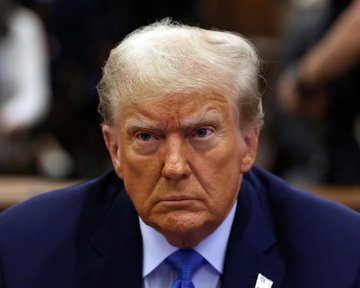
Lahore, Pakistan – President Donald Trump has issued a stark new warning to Iran, giving the Islamic Republic 48 hours to either reach a comprehensive deal or fully reopen the Strait of Hormuz without threats, or face devastating U.S. military escalation described as “all hell will reign down on them.”
The statement, delivered via Truth Social on Saturday evening (April 4, 2026), echoes and intensifies Trump’s earlier March 22 ultimatum that threatened to “obliterate” Iranian power plants if the critical waterway remained blocked. It comes amid mounting domestic pressure on the president, including “anemic” approval ratings linked to economic fallout from the ongoing Iran war and disrupted global oil flows.
“Iran has 48 hours to make a deal or open the Strait of Hormuz, or all hell will reign down on them,” Trump warned, signaling potential strikes on remaining strategic targets, including energy infrastructure, if Tehran fails to comply.
Background: The Ongoing Strait of Hormuz Crisis
The Strait of Hormuz, which carries approximately 20% of global oil trade and significant volumes of liquefied natural gas, has been a central flashpoint since the U.S.-Israeli military campaign against Iran began in late February 2026. Iran responded by disrupting maritime traffic, attacking or threatening merchant vessels, and effectively imposing a selective blockade. While some limited passages have occurred, the majority of commercial shipping has been stranded or rerouted, driving global energy prices sharply higher and contributing to U.S. gas prices exceeding $4 per gallon in many areas.
Trump has repeatedly framed reopening the strait as a non-negotiable priority, arguing that the U.S. will no longer tolerate Iran acting as a gatekeeper for global energy supplies. Earlier threats targeted power plants and broader energy infrastructure; the latest warning broadens the language to unspecified but severe consequences.
Strategic map highlighting Iranian positions and the narrow chokepoint of the Strait of Hormuz, where disruptions continue to impact global oil flows. (Image: Institute for the Study of War)
Current Status of the Conflict and Economic Fallout
As the war enters its sixth week:
- Iran’s Khatam al-Anbiya headquarters claims core missile production, stockpiles, and air defenses remain largely intact despite U.S.-Israeli strikes.
- Hezbollah continues rocket attacks on northern Israel, including recent damage to a McDonald’s branch near the Lebanon border.
- U.S. and Israeli forces have conducted thousands of strikes on Iranian military targets, naval assets, and production facilities, yet Tehran maintains the ability to launch retaliatory barrages.
Domestically, The Atlantic and multiple polls show Trump’s approval ratings sliding into the mid-30s, with sharp criticism over the economy and the prolonged conflict. Surging fuel costs and inflation fears have fueled public discontent, with no clear “rally around the flag” effect materializing.
Iran’s Likely Response and Regional Reactions
Iranian officials have previously vowed to “completely close” the strait and target U.S. and allied energy assets in the region if power plants or other critical infrastructure are struck. The IRGC has warned of retaliatory actions against desalination plants, oil facilities, and military bases across the Gulf.
European and Gulf allies have expressed concern over the blockade but shown reluctance for direct involvement, prompting Trump’s earlier criticism of NATO as a “severely weakened and extremely unreliable partner.”
Analysts warn that any large-scale U.S. operation to forcibly reopen the strait could involve naval escorts, mine-clearing, and potential ground elements—operations that military experts describe as complex, costly, and potentially protracted due to Iran’s coastal missile, drone, and speedboat capabilities.
What Happens Next?
The 48-hour clock is now ticking. Possible scenarios include:
- Diplomatic breakthroughs via back-channel talks (Trump has hinted at indirect communications with Iranian leadership).
- Limited Iranian concessions allowing increased commercial traffic.
- Escalation with fresh U.S. strikes if the deadline passes without movement.
Trump has previously signaled that the mission could conclude in “weeks” if the strait is secured, but the combination of Iranian resilience and domestic U.S. war fatigue adds complexity.
This latest ultimatum underscores the high-stakes intersection of military strategy, global energy security, and U.S. domestic politics. With oil markets already volatile and public anger rising, the coming hours could prove decisive for the trajectory of the Iran war.
Reflecto News is monitoring developments in Washington, Tehran, and energy markets. Updates will follow as the deadline approaches or new statements emerge from the White House or Iranian leadership.
This is a rapidly developing story.