Reflecto News is an online news platform covering major international political events, global economic developments, and security conflicts. The site provides updates on topics such as Chinese manufacturing dominance, Middle Eastern political tensions, and high profile legal arrests. Readers can access current articles organized by categories like World News, Iran, and USA.
By Reflecto News Staff
April 4, 2026
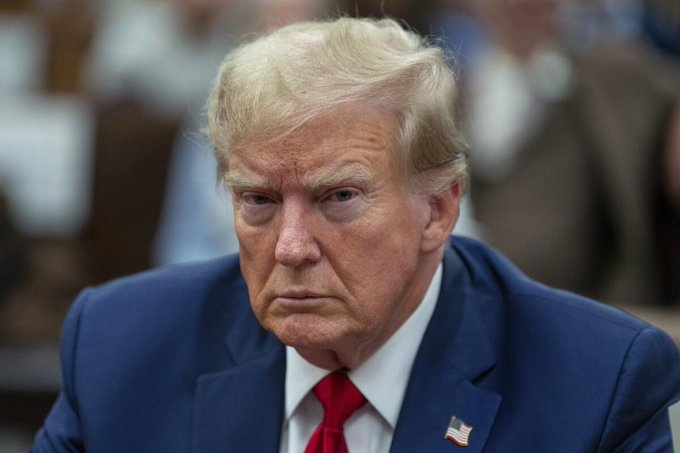
Lahore, Pakistan – A new article in The Atlantic titled “Public Anger Is Rising” highlights mounting frustration among Americans over the prolonged Iran war, surging gas prices, persistent inflation, and broader economic pressures, contributing to what the magazine describes as already “anemic” approval ratings for President Donald Trump that have now sunk to fresh lows in his second term.
The piece, authored by Yvonne Wingett Sanchez and Russell Berman, notes that public discontent is intensifying, with even outlets like TMZ reflecting national frustration. This comes as multiple polls show Trump’s overall job approval hovering in the mid-to-upper 30s, with particularly sharp declines in his handling of the economy.
Latest Polling Data: Approval Ratings Slide
Recent surveys paint a consistent picture of eroding support:
- The Economist/YouGov (as of early April 2026): Trump’s approval around 35-36%, with unfavorable ratings near 57%. This marks a drop of about 4 points since late February, just before major U.S. strikes on Iran escalated.
- Reuters/Ipsos: Approval at 36% (down from 40% earlier in the period), with disapproval climbing.
- CNN/SSRS: Overall approval near 35%, but handling of the economy hitting a career-low 31% approval (down from 39% in January). Handling of inflation stands at just 27%.
- Fox News: Disapproval reaching 59%, the highest recorded in either of Trump’s terms.
Even among independents, support has weakened significantly in some polls, falling into the low 20s in certain trackers.
Recent polling trends show Trump’s approval dipping amid the Iran conflict and economic concerns. (Representative graphic based on aggregated poll data from major outlets)
Drivers of Discontent: Economy and the Iran War
The Atlantic article ties the rising anger directly to two intertwined issues:
- Economic Pressures: The U.S.-Israeli military campaign against Iran, now over a month old, has contributed to the closure or severe disruption of the Strait of Hormuz, which handles roughly 20% of global oil trade. This has driven gas prices above $4 per gallon nationally in many areas—the highest levels in years. Economists warn of broader ripple effects: higher inflation (potentially peaking near 4% or more), slower GDP growth, and modest increases in unemployment as energy costs squeeze consumer spending, particularly in sectors like retail, hospitality, and transportation. Polls consistently rank inflation, prices, jobs, and the economy as the top concerns for voters. Trump’s once-strong economic credentials from his first term appear under strain, with approval on economic handling now worse than some low points under previous administrations.
- The Iran War: Public opposition to U.S. military action remains broad. Multiple polls show:
- 61-66% disapproval of Trump’s handling of the conflict or the decision to strike Iran.
- Only 34-42% support for the military action, with strong opposition rising.
- A majority (around 59-60%) believing the action has “gone too far,” and many viewing a long-term conflict as likely. While Republicans largely back the president (approval of his Iran handling often above 70% in partisan breakdowns), independents and Democrats show deep skepticism. There has been no significant “rally around the flag” effect, contrary to historical patterns in some conflicts.
Additional factors mentioned in coverage include a partial government shutdown affecting services like TSA operations, adding to everyday frustrations.
Reactions and Broader Implications
- White House Response: President Trump and administration officials have defended the campaign as necessary to degrade Iran’s missile and nuclear capabilities, while promising that oil flows will normalize once the Strait of Hormuz is secured. Trump has pointed to military successes and criticized media for focusing on negative polling.
- Opposition Voices: Democrats and some independents argue the war was avoidable and is now harming American pocketbooks without a clear exit strategy. Critics within conservative circles have also expressed wariness about prolonged entanglement.
- Midterm Outlook: With congressional midterms approaching later in 2026, The Atlantic and other outlets suggest Republicans could face headwinds if economic pain and war fatigue persist. Some analyses warn of potential electoral setbacks if gas prices and inflation remain elevated.
Analysts note that while Trump’s core base remains relatively loyal, the intensity of disapproval is high, and swing voters appear particularly sensitive to kitchen-table issues like fuel and grocery costs.
Context in the Ongoing Conflict
This domestic backlash unfolds as Iran’s Khatam al-Anbiya claims its key missile production and air defense assets remain largely intact, and as incidents like the recent Hezbollah rocket damage to a McDonald’s in northern Israel underscore the multi-front nature of the tensions. Meanwhile, debates over NATO burden-sharing continue, with Trump previously labeling the alliance “severely weakened and extremely unreliable.”
The war’s economic fallout—higher energy prices, supply chain strains, and uncertainty—has global dimensions, but hits American consumers directly at the pump and in broader price increases.
Reflecto News will continue monitoring polling trends, economic indicators, and developments on the ground in the Middle East. Public sentiment can shift with battlefield outcomes, diplomatic breakthroughs, or improvements in energy markets, but for now, the combination of war costs and economic strain appears to be testing the president’s standing.
This is a developing story. Further updates will follow as new polls or official statements emerge.
Questions people ask
What is China's current share of global manufacturing?
China now accounts for twenty eight percent of global manufacturing. This industrial output exceeds the combined manufacturing production of the United States, Japan, and Germany, making China the leading global industrial power according to recent reports.
Why were Andrew Tate and Tristan Tate arrested in Miami?
Andrew Tate and his brother Tristan Tate were taken into custody in Miami by the United States Marshals Service. They face thirty eight new charges in the United Kingdom, including rape and child pornography offences, and prosecutors are seeking their extradition.
What warning did Moscow issue about oil prices?
Kirill Dmitriev, the Chief Executive of the Russian Direct Investment Fund, warned that a tsunami of skyrocketing oil prices is approaching. Moscow describes this potential energy shock as a major threat to global markets.
What political shift is projected for Benjamin Netanyahu's coalition?
Political polls project that Prime Minister Benjamin Netanyahu's coalition is on track to lose its majority in the upcoming October election. This projection indicates a potential political shift in Jerusalem.
Why did a Russian military aircraft land in Tehran?
A Russian airborne command aircraft, widely known as a doomsday plane, landed in Tehran. The arrival of the aircraft represents a high stakes show of support from Russia for Iran during a period of heightened regional tensions.
What did President Masoud Pezeshkian claim about the United States and Israel?
Iranian President Masoud Pezeshkian claimed that the United States and Israel failed in a forty eight hour plan to topple the Iranian government. He made these statements during a televised address marking two years since his inauguration.