Reflecto News is an online news platform covering major international political events, global economic developments, and security conflicts. The site provides updates on topics such as Chinese manufacturing dominance, Middle Eastern political tensions, and high profile legal arrests. Readers can access current articles organized by categories like World News, Iran, and USA.
Reflecto News
April 16, 2026
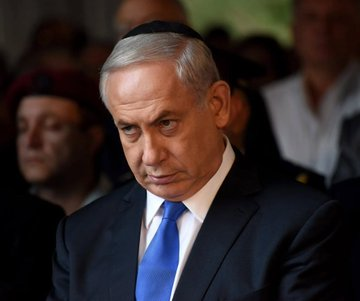
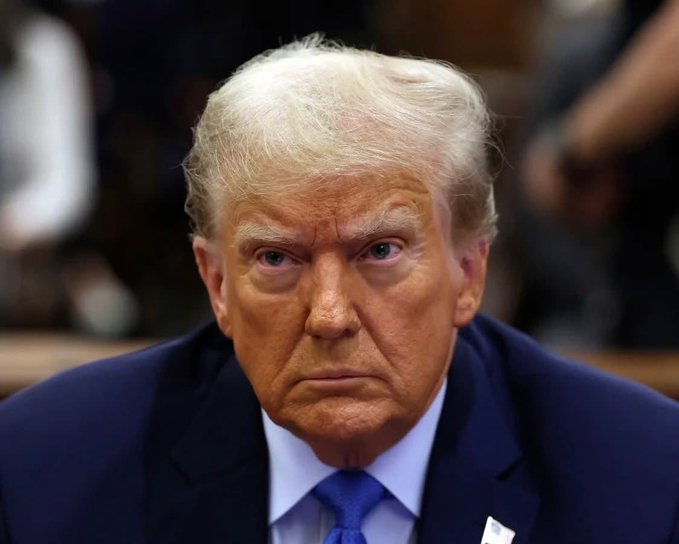
In a major diplomatic breakthrough amid escalating regional tensions, U.S. President Donald Trump has announced that Israel and Lebanon have agreed to a temporary 10-day ceasefire. The truce is set to begin at 5 p.m. Eastern Time (21:00 GMT) on Thursday, following what Trump described as “excellent conversations” with Israeli Prime Minister Benjamin Netanyahu and Lebanese President Joseph Aoun.
Trump shared the update via Truth Social, stating: “These two Leaders have agreed that in order to achieve PEACE between their Countries, they will formally begin a 10 Day CEASEFIRE at 5 P.M. EST.” He also revealed plans to invite Netanyahu and Aoun to the White House for direct talks—the first meaningful high-level discussions between Israel and Lebanon since 1983.
Background: From Escalation to De-Escalation
The Israel-Lebanon border has seen intense fighting since early March 2026, when clashes intensified between Israeli forces and the Iran-backed Hezbollah militant group. Israel launched ground operations and airstrikes in southern Lebanon targeting Hezbollah infrastructure, while Hezbollah responded with rocket and drone attacks on northern Israeli communities. The violence has resulted in significant casualties and displacement on both sides.
This latest ceasefire announcement builds on earlier U.S. efforts. President Trump had previously urged Netanyahu to scale back Israeli strikes in Lebanon to avoid jeopardizing a fragile U.S.-Iran ceasefire and broader regional stability. Netanyahu’s government responded by authorizing direct negotiations with Lebanon, focusing on the disarmament of Hezbollah and long-term peace.
What the Ceasefire Entails
- Duration: 10 days, providing a window for diplomacy.
- Scope: A pause in hostilities between Israeli forces and Lebanese/Hezbollah targets along the border.
- Next Steps: High-level talks in Washington, D.C., aimed at addressing root causes, including Hezbollah’s military presence and border security.
- U.S. Role: Trump has positioned the U.S. as a key mediator, with Vice President JD Vance, Secretary of State Marco Rubio, and other officials involved in follow-up efforts.
Lebanese Prime Minister Nawaf Salam welcomed the announcement and thanked international partners, including the U.S., France, Saudi Arabia, Egypt, Qatar, and Jordan. However, reports indicate Lebanese President Aoun has not yet committed to a direct call with Netanyahu, highlighting lingering sensitivities.
Reactions from Key Players
- Israeli Perspective: Netanyahu’s office has not issued an immediate detailed statement on the truce, but the move aligns with his recent authorization of talks while maintaining pressure on Hezbollah. Israeli officials emphasize that any deal must ensure the disarmament of the group and secure Israel’s northern border.
- Lebanese Perspective: The government views the ceasefire as a step toward stability and the withdrawal of Israeli forces from occupied Lebanese territories.
- U.S. Perspective: Trump hailed the agreement as a path to lasting peace, stating both sides “want to see PEACE, and I believe that will happen, quickly!”
- Regional Context: The truce comes as Pakistan and other mediators work to extend the separate U.S.-Iran ceasefire, with concerns that Lebanon-related fighting could derail broader de-escalation.
Historical Context and Significance
Israel and Lebanon have technically been in a state of war since 1948, with no formal peace treaty. The last direct leader-level engagement occurred in 1983. Hezbollah’s growing influence, backed by Iran, has complicated relations for decades. A successful ceasefire and subsequent talks could mark a historic shift, potentially reducing cross-border threats and paving the way for normalized relations.
Experts note that while a 10-day pause is limited, it creates breathing room for negotiations on critical issues like border demarcation, Hezbollah’s arsenal, and reconstruction in southern Lebanon.
Implications for the Middle East
- For Israel: Reduced rocket fire from Lebanon would allow northern residents to return home safely.
- For Lebanon: A halt in Israeli operations could ease humanitarian pressures and support economic recovery.
- For the U.S.-Iran Track: Success here could strengthen Trump’s broader diplomatic push in the region.
- Risks: Any violation—by Hezbollah or Israeli forces—could collapse the truce and reignite fighting.
What’s Next?
The coming days will test the durability of this agreement. Monitoring on the ground by international observers, continued U.S. engagement, and progress in White House talks will determine if this temporary truce evolves into a more permanent resolution.
Reflecto News will continue to provide live updates as this story develops.
Frequently Asked Questions (FAQs)
Q1: When does the Israel-Lebanon ceasefire begin?
A: The 10-day ceasefire officially starts at 5 p.m. Eastern Time on April 16, 2026.
Q2: Did President Trump request the ceasefire?
A: Trump facilitated the agreement through direct calls with both leaders and had previously urged de-escalation in Lebanon to support regional stability.
Q3: Will Netanyahu and the Lebanese President meet in person?
A: Trump has extended an invitation to the White House for talks, described as the first meaningful dialogue in over 40 years.
Q4: How does this affect the U.S.-Iran ceasefire?
A: Officials hope the Lebanon truce will help stabilize the wider region and support ongoing Iran negotiations.
Q5: What role does Hezbollah play?
A: Disarmament of the Iran-backed group remains a key Israeli demand in any long-term deal.
Q6: Is this a permanent peace agreement?
A: No—it is a temporary 10-day pause designed to enable further negotiations.
For the latest developments on the Israel-Lebanon ceasefire, U.S. mediation efforts, and Middle East diplomacy, bookmark Reflecto News and follow our dedicated coverage.
This article is based on verified statements from official sources and live reporting as of April 16, 2026.
Questions people ask
What is China's current share of global manufacturing?
China now accounts for twenty eight percent of global manufacturing. This industrial output exceeds the combined manufacturing production of the United States, Japan, and Germany, making China the leading global industrial power according to recent reports.
Why were Andrew Tate and Tristan Tate arrested in Miami?
Andrew Tate and his brother Tristan Tate were taken into custody in Miami by the United States Marshals Service. They face thirty eight new charges in the United Kingdom, including rape and child pornography offences, and prosecutors are seeking their extradition.
What warning did Moscow issue about oil prices?
Kirill Dmitriev, the Chief Executive of the Russian Direct Investment Fund, warned that a tsunami of skyrocketing oil prices is approaching. Moscow describes this potential energy shock as a major threat to global markets.
What political shift is projected for Benjamin Netanyahu's coalition?
Political polls project that Prime Minister Benjamin Netanyahu's coalition is on track to lose its majority in the upcoming October election. This projection indicates a potential political shift in Jerusalem.
Why did a Russian military aircraft land in Tehran?
A Russian airborne command aircraft, widely known as a doomsday plane, landed in Tehran. The arrival of the aircraft represents a high stakes show of support from Russia for Iran during a period of heightened regional tensions.
What did President Masoud Pezeshkian claim about the United States and Israel?
Iranian President Masoud Pezeshkian claimed that the United States and Israel failed in a forty eight hour plan to topple the Iranian government. He made these statements during a televised address marking two years since his inauguration.