
Reflecto News is an online news platform covering major international political events, global economic developments, and security conflicts. The site provides updates on topics such as Chinese manufacturing dominance, Middle Eastern political tensions, and high profile legal arrests. Readers can access current articles organized by categories like World News, Iran, and USA.
Published on Reflecto News | World News | Food Security & Global Economy
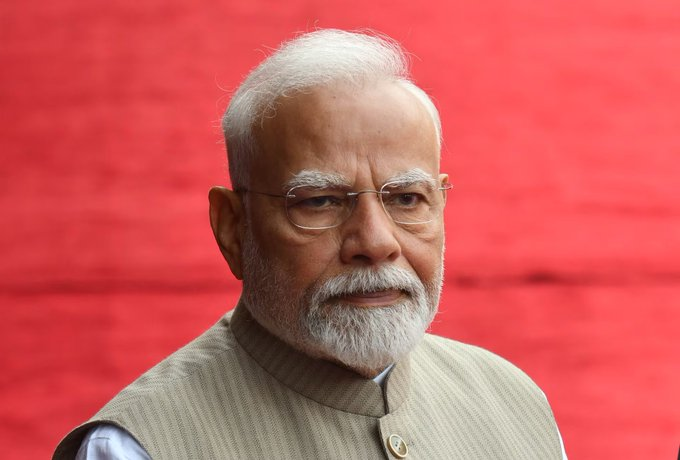
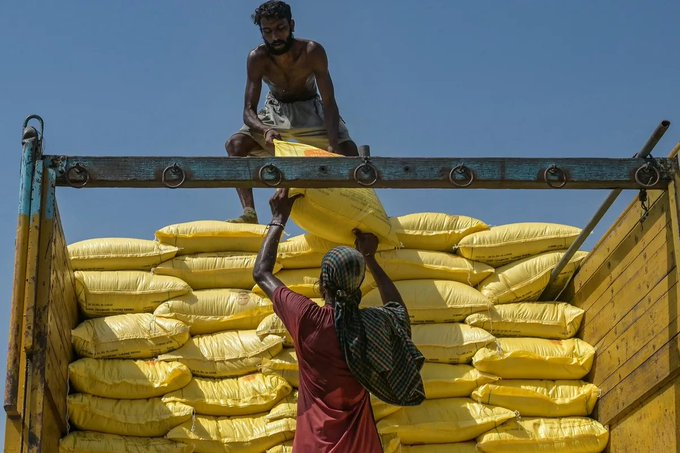
India is about to pay $935-959 per ton for urea fertilizer. Before the bombs started falling in the Middle East, the same stuff cost $490. That’s not a price jump. That’s a shock that works its way through every plate of rice and every bowl of dal in South Asia.
And India had to take the deal. Monsoon planting season is here. Without urea, you don’t get rice, corn, or soybeans. Skip this order and 1.4 billion people start feeling it at the dinner table within months.
The Price Shock: From $490 to $959
The war in the Middle East has sent fertilizer prices soaring. The Strait of Hormuz closure has disrupted global supply chains, and the Middle East—which accounts for 35-40 percent of global urea exports—has seen its shipments plummet .
| Period | Price per Ton | Change |
|---|---|---|
| Pre-war (January 2026) | $490 | — |
| Current (April 2026) | $935-959 | +90-95% |
Sources: Bloomberg, multiple reports
India, the world’s biggest urea buyer, can absorb a 90 percent price hike—barely. Most developing countries cannot.
Why India Had to Pay
The timing could not be worse. India’s monsoon planting season is here, and farmers need fertilizer to plant rice, corn, and soybeans—the staples that feed 1.4 billion people.
The planting window:
| Crop | Planting Season | Harvest |
|---|---|---|
| Rice | April-May | September-October |
| Corn | April-May | August-September |
| Soybeans | June-July | October-November |
Skip this order, and the consequences would ripple through every meal in South Asia within months .
The Global Food Security Crisis
Here’s what makes this worse. India is the world’s biggest urea buyer, which means it can actually absorb a 90 percent price hike. Most developing countries cannot.
Impact on vulnerable regions:
| Region | Fertilizer Affordability | Risk |
|---|---|---|
| Bangladesh | Severe strain | Reduced planting, higher food prices |
| Pakistan | Severe strain | Crop shortfalls, import dependence |
| Sub-Saharan Africa | Extreme strain | Worsening hunger crisis |
| Sri Lanka | Extreme strain | Economic collapse deepens |
| Nepal | Severe strain | Import dependence increases |
Those governments are looking at these numbers and realizing they simply can’t buy enough .
The Fertilizer Supply Chain Collapse
The Middle East’s role in global fertilizer supply cannot be overstated. The region accounts for approximately 35-40 percent of global urea exports — the most widely used nitrogen fertilizer globally .
Key supply disruptions:
| Factor | Impact |
|---|---|
| Strait of Hormuz closure | Blocked shipments from Gulf producers |
| Iranian strikes on Ras Laffan | Qatar’s LNG/fertilizer complex damaged |
| US naval blockade | Iranian ports restricted |
| Shipping disruptions | War-risk premiums skyrocketed |
Fertilizer shipments through the strait fell 92 percent in March from February levels, from over 1 million tons to just 82,000 tons .
The Cost of Food: What This Means for Consumers
The fertilizer price shock will inevitably translate into higher food prices. The UN Food and Agriculture Organization (FAO) has warned that delays in transporting fertilizers could disrupt planting cycles, reduce harvests, and drive up food prices globally .
Expected impacts:
| Impact | Timeline | Severity |
|---|---|---|
| Reduced crop yields | 3-6 months | Significant |
| Higher food prices | 6-9 months | Substantial |
| Food insecurity | 9-12 months | Worsening |
| Political instability | 12+ months | Potential |
The World Food Programme (WFP) has warned that as many as 45 million more people could face acute hunger if the conflict doesn’t ease by the middle of the year, taking the total number to a record high .
India’s Dilemma: Pay or Let People Starve
India faced an impossible choice: pay the inflated price or let its farmers go without fertilizer. The government chose to pay.
India’s fertilizer import reality:
| Metric | Value |
|---|---|
| Annual urea consumption | ~35 million tons |
| Import dependence | ~20-25% |
| Fertilizer subsidy budget (2025-26) | ~$20 billion |
| Additional cost from price hike | Billions |
The government will absorb much of the cost through subsidies, but those subsidies are funded by taxpayers—and the money has to come from somewhere .
The Ripple Effect: Beyond India
The fertilizer crisis is not an India problem. It is a global problem.
| Region | Urea Import Dependence | Vulnerability |
|---|---|---|
| South Asia | High | Extreme |
| Southeast Asia | Moderate | High |
| Sub-Saharan Africa | Very high | Extreme |
| Latin America | Moderate | Moderate |
| Europe | Low | Low |
Nations in sub-Saharan Africa and Asia, which are heavily reliant on food and fuel imports, are most exposed to fallout from the conflict, with projections indicating that the number of food-insecure people in those regions is set to jump by about a fifth .
What Comes Next
As the ceasefire between the US and Iran remains fragile, the fertilizer crisis is likely to worsen.
| Scenario | Likelihood | Impact on Food Prices |
|---|---|---|
| Ceasefire holds; strait reopens | Possible | Gradual price decline |
| Ceasefire collapses; war resumes | Elevated | Further price spikes |
| Fertilizer rationing | Likely in some countries | Reduced crop yields |
| Global food crisis | Increasingly likely | Widespread hunger |
The war in the Middle East has already killed thousands. Now, it is quietly starving millions. The bombs may have stopped falling for now, but the shockwaves are still spreading—and they are hitting the world’s poorest the hardest.
Frequently Asked Questions (FAQs)
1. How much has the price of urea increased since the war began?
Urea prices have nearly doubled, from approximately $490 per ton before the war to $935-959 per ton currently—a 90-95 percent increase .
2. Why did India have to pay the higher price?
India’s monsoon planting season is underway. Without urea, farmers cannot plant rice, corn, or soybeans. Skipping the order would cause food shortages within months .
3. Can India afford the price hike?
India, as the world’s largest urea buyer, can absorb the increase—barely. Most developing countries cannot .
4. Which regions are most vulnerable?
Bangladesh, Pakistan, sub-Saharan Africa, Sri Lanka, and Nepal are most at risk. These governments are realizing they simply cannot buy enough fertilizer at current prices .
5. How does the fertilizer crisis affect food prices?
Higher fertilizer costs lead to reduced crop yields, which lead to higher food prices. The full impact will be felt in 6-9 months .
6. How many more people could face hunger?
The World Food Programme has warned that as many as 45 million more people could face acute hunger if the conflict doesn’t ease by mid-2026 .
7. What is the status of the ceasefire?
The ceasefire between the US and Iran remains fragile. If it collapses, fertilizer prices could spike even further .
Stay informed with Reflecto News – Your trusted source for breaking food security, economic, and geopolitical intelligence. Subscribe for real-time updates on the global fertilizer crisis, food prices, and hunger emergencies.
Questions people ask
What is China's current share of global manufacturing?
China now accounts for twenty eight percent of global manufacturing. This industrial output exceeds the combined manufacturing production of the United States, Japan, and Germany, making China the leading global industrial power according to recent reports.
Why were Andrew Tate and Tristan Tate arrested in Miami?
Andrew Tate and his brother Tristan Tate were taken into custody in Miami by the United States Marshals Service. They face thirty eight new charges in the United Kingdom, including rape and child pornography offences, and prosecutors are seeking their extradition.
What warning did Moscow issue about oil prices?
Kirill Dmitriev, the Chief Executive of the Russian Direct Investment Fund, warned that a tsunami of skyrocketing oil prices is approaching. Moscow describes this potential energy shock as a major threat to global markets.
What political shift is projected for Benjamin Netanyahu's coalition?
Political polls project that Prime Minister Benjamin Netanyahu's coalition is on track to lose its majority in the upcoming October election. This projection indicates a potential political shift in Jerusalem.
Why did a Russian military aircraft land in Tehran?
A Russian airborne command aircraft, widely known as a doomsday plane, landed in Tehran. The arrival of the aircraft represents a high stakes show of support from Russia for Iran during a period of heightened regional tensions.
What did President Masoud Pezeshkian claim about the United States and Israel?
Iranian President Masoud Pezeshkian claimed that the United States and Israel failed in a forty eight hour plan to topple the Iranian government. He made these statements during a televised address marking two years since his inauguration.