Reflecto News is an online news platform covering major international political events, global economic developments, and security conflicts. The site provides updates on topics such as Chinese manufacturing dominance, Middle Eastern political tensions, and high profile legal arrests. Readers can access current articles organized by categories like World News, Iran, and USA.
Kamal Kharazi, a senior Iranian foreign policy adviser and former foreign minister, was seriously injured in a strike on his residence in Tehran. His wife was killed in the attack. Two Iranian officials told The New York Times that Kharazi had been overseeing backchannel engagement with Pakistan ahead of a possible meeting between Iranian representatives and U.S. Vice President JD Vance. The motive for targeting him remains unclear.
By Reflecto News Desk
April 2, 2026 | Tehran / Washington
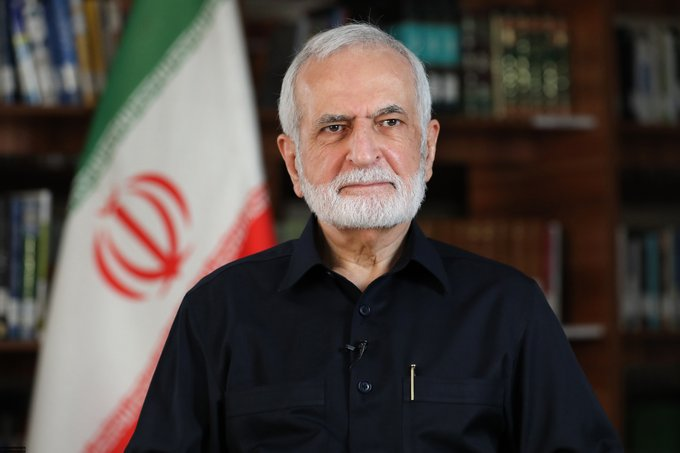
The incident occurred as U.S.-Israeli strikes continue into the fifth week of the conflict with Iran. Iranian media outlets, including Mehr News, Shargh, Etemad, and Ham Mihan, reported that Kharazi sustained severe injuries and was hospitalized. His wife, identified in some reports as Mansoureh Khojasteh Bagherzadeh, was killed.
Who Is Kamal Kharazi?
Kamal Kharazi, 81, served as Iran’s Foreign Minister from 1997 to 2005 under reformist President Mohammad Khatami. He has remained a prominent and influential figure in Iranian diplomacy as head of the Strategic Council on Foreign Relations and a senior adviser to the Supreme Leader. He is widely regarded as a pragmatic voice with extensive experience in international affairs.
Diplomatic Angle: Possible Backchannel with JD Vance
According to two Iranian officials cited by The New York Times, Kharazi had been actively involved in coordinating with Pakistan for a potential high-level meeting between Iranian officials and U.S. Vice President JD Vance. Pakistan has historically served as a discreet channel for sensitive Iran-U.S. communications.
This revelation adds a sensitive diplomatic layer to the strike. Iranian sources have suggested the targeting may have been intended to disrupt emerging backchannel efforts, though U.S. and Israeli officials have not commented specifically on the incident, and it is not confirmed whether the strike deliberately targeted Kharazi or occurred in a broader residential area bombing.
Current State of the Conflict
The strike fits into a pattern of U.S.-Israeli operations targeting Iranian military infrastructure, leadership figures, and associated sites. President Trump has claimed that major strategic objectives are nearing completion and suggested the campaign could conclude in “two to three weeks.”
Iran continues to reject formal ceasefire proposals while issuing defiant statements. In recent days:
- IRGC-linked spokesperson Ebrahim Zolfaghari warned of “stronger, wider, and more destructive” retaliatory blows.
- Iran has invited European, Asian, and Arab countries to negotiate safe transit through the Strait of Hormuz, which remains heavily disrupted.
- U.S. intelligence assessments indicate no signs of regime collapse, with the IRGC retaining significant control.
Energy and Regional Impact
The ongoing conflict continues to paralyze much of the traffic through the Strait of Hormuz — a vital chokepoint for roughly 20% of global LNG and a major share of seaborne oil. This has driven sharp increases in Asian spot LNG prices, with China reselling record volumes (1.31 million metric tons year-to-date) to help neighbors like South Korea, Japan, India, Thailand, and the Philippines secure supplies.
China has publicly condemned the U.S.-Israeli strikes as “illegal” and blamed them for the maritime disruptions.
Outlook
The wounding of a senior diplomatic figure like Kharazi risks hardening positions on both sides and complicating any potential off-ramps. While some backchannel activity appears to have been underway via Pakistan, the strike adds uncertainty to diplomatic prospects.
The motive — whether deliberate targeting of a perceived moderate voice or collateral damage in a wider strike — remains unconfirmed and contested.
Reflecto News will continue monitoring Kharazi’s medical condition, official reactions from Tehran, Washington, and Islamabad, any updates on diplomatic channels, and the broader military and energy situation.
Sources: Al Jazeera, The New York Times, Mehr News, Shargh, Etemad, Reuters, AFP, and other reporting as of April 2, 2026. Information from active conflict zones is fluid and subject to verification.
Questions people ask
What is China's current share of global manufacturing?
China now accounts for twenty eight percent of global manufacturing. This industrial output exceeds the combined manufacturing production of the United States, Japan, and Germany, making China the leading global industrial power according to recent reports.
Why were Andrew Tate and Tristan Tate arrested in Miami?
Andrew Tate and his brother Tristan Tate were taken into custody in Miami by the United States Marshals Service. They face thirty eight new charges in the United Kingdom, including rape and child pornography offences, and prosecutors are seeking their extradition.
What warning did Moscow issue about oil prices?
Kirill Dmitriev, the Chief Executive of the Russian Direct Investment Fund, warned that a tsunami of skyrocketing oil prices is approaching. Moscow describes this potential energy shock as a major threat to global markets.
What political shift is projected for Benjamin Netanyahu's coalition?
Political polls project that Prime Minister Benjamin Netanyahu's coalition is on track to lose its majority in the upcoming October election. This projection indicates a potential political shift in Jerusalem.
Why did a Russian military aircraft land in Tehran?
A Russian airborne command aircraft, widely known as a doomsday plane, landed in Tehran. The arrival of the aircraft represents a high stakes show of support from Russia for Iran during a period of heightened regional tensions.
What did President Masoud Pezeshkian claim about the United States and Israel?
Iranian President Masoud Pezeshkian claimed that the United States and Israel failed in a forty eight hour plan to topple the Iranian government. He made these statements during a televised address marking two years since his inauguration.