Reflecto News is an online news platform covering major international political events, global economic developments, and security conflicts. The site provides updates on topics such as Chinese manufacturing dominance, Middle Eastern political tensions, and high profile legal arrests. Readers can access current articles organized by categories like World News, Iran, and USA.
President Emmanuel Macron has firmly stated that France will not participate in any military effort to forcibly reopen the Strait of Hormuz amid the ongoing U.S.-Israeli conflict with Iran, describing such operations as unrealistic in the current context of active hostilities.
By Reflecto News Desk
April 2, 2026 | Paris / Singapore
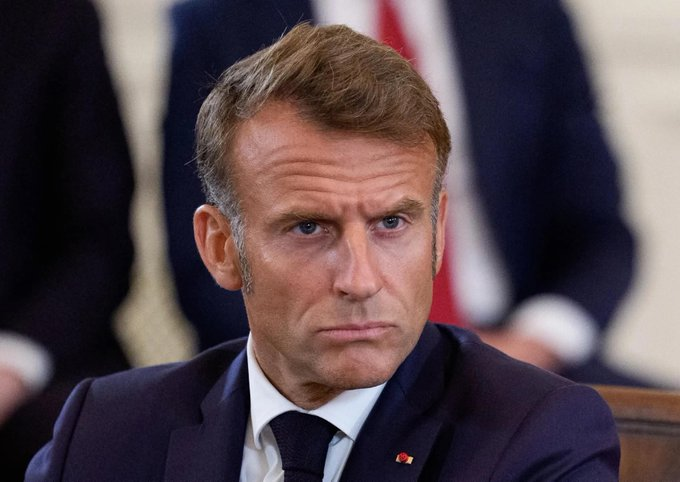
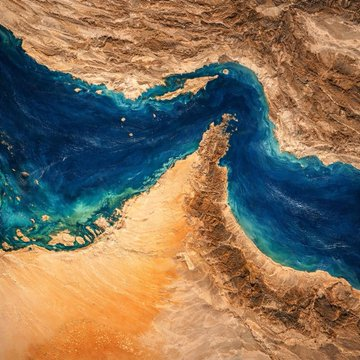
In remarks that underscore growing transatlantic tensions over the Hormuz crisis, Macron reiterated that France is “not a party to the conflict” and will therefore “never take part in operations to open or liberate the Strait of Hormuz in the current context.” He emphasized that any naval mission must wait until the situation calms, hostilities subside, and diplomatic coordination — including with Iran — becomes feasible.
Macron’s Position: Defensive Escort Only After Calm
Macron has consistently drawn a clear line: France supports freedom of navigation and is prepared to contribute to a defensive, non-combat escort mission for merchant vessels once the intense phase of the war ends. France has already approached around 35 countries to discuss such a future operation and is coordinating with partners like the UK, Germany, Italy, the Netherlands, and Japan.
He has stressed that any action should ideally occur under a broader international or UN framework, with deconfliction and Iran’s tacit acceptance, rather than as a forceful intervention during active fighting.
This stance directly pushes back against U.S. President Donald Trump’s calls for allies — including NATO members — to send warships and help secure the strait immediately. Trump has expressed frustration with perceived European reluctance, at times criticizing NATO’s burden-sharing.
Why Macron Calls It Unrealistic
- Active War Risks: With Iranian threats of “stronger, wider, and more destructive” attacks, missile/drone risks, and reports of selective blockades or mining, escorting tankers under fire would expose forces to high danger without clear rules of engagement.
- Escalation Concerns: A military push could widen the conflict, draw in more actors, and further destabilize energy markets.
- Diplomatic Preference: Macron advocates for a ceasefire, moratorium on strikes against energy infrastructure, and negotiated safe passage — aligning with Iran’s recent offers for countries to coordinate transit agreements.
France has deployed additional naval assets to the broader Middle East region but has ruled out offensive or coercive operations while bombings continue.
Broader Context: The Hormuz Crisis
The Strait of Hormuz remains heavily disrupted more than a month into the conflict. Pre-war averages saw ~20% of global LNG and a massive share of seaborne oil passing through the waterway, with over 80% of the LNG heading to Asia. Damage to Qatar’s facilities and Iranian actions have paralyzed much of the traffic, driving sharp rises in Asian spot LNG prices.
China has capitalized by reselling record volumes of LNG (1.31 million metric tons year-to-date) to help buyers in South Korea, Japan, India, Thailand, and the Philippines. Beijing has blamed the U.S.-Israeli strikes for the disruptions, calling them “illegal.”
Iran continues to invite European, Asian, and Arab nations to negotiate safe transit while maintaining selective controls and, in some cases, charging high fees.
Diplomatic and Military Backdrop
Macron’s comments come amid other developments:
- IRGC spokesperson Ebrahim Zolfaghari’s recent warning of more destructive Iranian blows and claims of hidden capabilities.
- The wounding of former Foreign Minister Kamal Kharazi in a strike on his home; he had reportedly been involved in Pakistan-mediated backchannels with U.S. Vice President JD Vance.
- U.S. intelligence assessments showing no signs of Iranian regime collapse.
Trump has signaled that major objectives may be nearing completion and the operation could wind down soon, while continuing to press for international help on the strait.
Outlook
France’s refusal highlights divisions within the West: the U.S. seeks immediate pressure and coalition action, while European allies like France prioritize de-escalation and post-conflict stabilization. Whether a defensive escort mission can be organized quickly once fighting eases — and whether Iran would accept it — remains a major question.
The crisis continues to strain global energy markets and test alliances, even as unrelated milestones like NASA’s Artemis II mission mark humanity’s return to deep space.
Reflecto News will continue monitoring statements from Macron, Trump, and other leaders, developments in the Strait of Hormuz, and any shifts in diplomatic or military efforts.
Sources: Reuters, The New York Times, France 24, Anadolu Agency, Bloomberg, and official statements as of April 2, 2026. The situation in active conflict zones remains highly fluid.
Questions people ask
What is China's current share of global manufacturing?
China now accounts for twenty eight percent of global manufacturing. This industrial output exceeds the combined manufacturing production of the United States, Japan, and Germany, making China the leading global industrial power according to recent reports.
Why were Andrew Tate and Tristan Tate arrested in Miami?
Andrew Tate and his brother Tristan Tate were taken into custody in Miami by the United States Marshals Service. They face thirty eight new charges in the United Kingdom, including rape and child pornography offences, and prosecutors are seeking their extradition.
What warning did Moscow issue about oil prices?
Kirill Dmitriev, the Chief Executive of the Russian Direct Investment Fund, warned that a tsunami of skyrocketing oil prices is approaching. Moscow describes this potential energy shock as a major threat to global markets.
What political shift is projected for Benjamin Netanyahu's coalition?
Political polls project that Prime Minister Benjamin Netanyahu's coalition is on track to lose its majority in the upcoming October election. This projection indicates a potential political shift in Jerusalem.
Why did a Russian military aircraft land in Tehran?
A Russian airborne command aircraft, widely known as a doomsday plane, landed in Tehran. The arrival of the aircraft represents a high stakes show of support from Russia for Iran during a period of heightened regional tensions.
What did President Masoud Pezeshkian claim about the United States and Israel?
Iranian President Masoud Pezeshkian claimed that the United States and Israel failed in a forty eight hour plan to topple the Iranian government. He made these statements during a televised address marking two years since his inauguration.