Reflecto News is an online news platform covering major international political events, global economic developments, and security conflicts. The site provides updates on topics such as Chinese manufacturing dominance, Middle Eastern political tensions, and high profile legal arrests. Readers can access current articles organized by categories like World News, Iran, and USA.
Reflecto News
Exclusive updates on the US-Iran ceasefire, regional tensions, and global diplomatic ripple effects
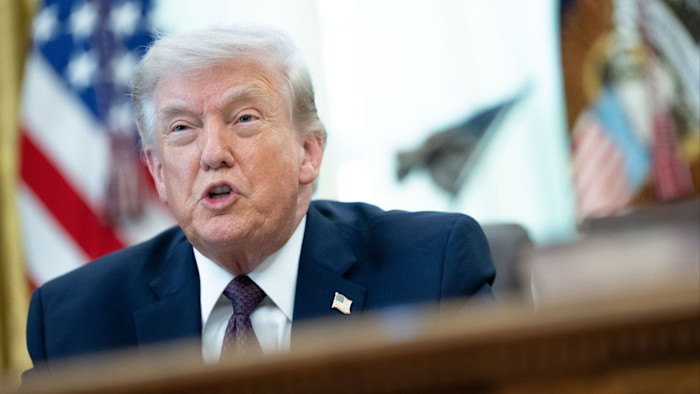
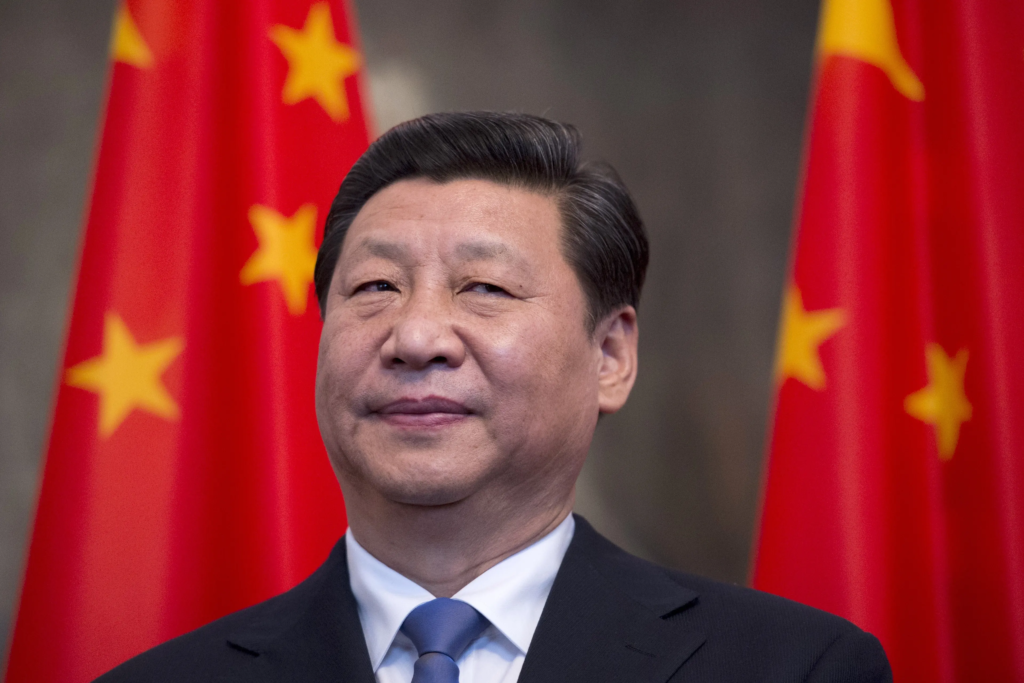
President Donald Trump has stated that he believes China played a key role in convincing Iran to engage in negotiations leading to the two-week ceasefire agreement with the United States. In comments to AFP, Trump described the development as a “total and complete victory” for the US while highlighting Beijing’s influence in bringing Tehran to the negotiating table.
This revelation adds a new layer to the fragile truce, which remains hampered by the absence of a confirmed start time, ongoing missile exchanges between Iran and Israel, and disagreements over whether the pause extends to Lebanon.
Trump’s Comments on China’s Involvement
Speaking after the ceasefire announcement, Trump expressed confidence that China helped persuade Iran to accept the deal. When asked directly about Beijing’s role, he responded affirmatively, noting that China has significant interests in regional stability due to its reliance on Middle Eastern oil passing through the Strait of Hormuz.
The comments come as the US prepares for talks with Iran in Islamabad, Pakistan, starting Friday. Trump has previously called on multiple nations — including China — to support efforts to secure safe passage through the strait, emphasizing the economic benefits of reopened shipping lanes.
Current Status of the Ceasefire
- The US has halted offensive military operations against Iran.
- Iran has committed to allowing safe, coordinated commercial shipping through the Strait of Hormuz.
- No specific start time for the two-week pause has been agreed upon, according to reports.
- Missile activity between Iran and Israel continues, with Israeli Prime Minister Benjamin Netanyahu clarifying that the ceasefire “does not include Lebanon” and operations against Hezbollah will persist.
Despite these challenges, both sides view the agreement as a window for broader negotiations aimed at a permanent resolution.
US Red Lines for Islamabad Talks
The Trump administration has made its negotiating position clear to Israel and other allies. During the two-week period, the US will demand that Iran:
- Remove all nuclear material from the country.
- Completely end uranium enrichment activities.
- Eliminate or significantly curb its ballistic missile threat.
These demands stand in contrast to Iran’s 10-point proposal, which seeks full sanctions relief, recognition of its right to uranium enrichment, and security guarantees. The US has described Iran’s plan as a “workable basis” for talks but has explicitly rejected claims of full acceptance.
Role of Mediators: Pakistan and Now China
Pakistan has been the primary mediator, with Prime Minister Shehbaz Sharif facilitating communications between Washington and Tehran. China’s reported involvement aligns with Beijing’s broader diplomatic efforts to promote de-escalation and protect its energy and economic interests in the region. Chinese officials have maintained a balanced position, calling for ceasefire and dialogue while engaging in multiple rounds of consultations.
Analysts note that China’s influence could prove valuable in bridging gaps, especially given its close ties with Iran and upcoming high-level meetings with the US.
Ongoing Military and Regional Dynamics
- Iran-Israel exchanges: Iran continues missile launches toward Israel, which are largely intercepted. Israel maintains strikes on Iranian targets and operations in Lebanon.
- US posture: Defensive measures remain in place to protect American interests and allies.
- Lebanon: Netanyahu’s statement has created divergence, as Iran and Pakistan suggested the truce would cover all fronts, including Hezbollah-related activities.
The Strait of Hormuz remains the economic centerpiece. Its gradual reopening is expected to ease global oil prices and supply chain pressures, offering relief to energy markets worldwide.
Reactions and Statements
- United States: Trump has framed the ceasefire and China’s role as evidence of successful American pressure combined with smart diplomacy.
- Iran: Tehran welcomes the pause but insists it does not end the conflict and conditions full implementation on a halt to all regional attacks.
- Israel: Supports the US-Iran pause conditionally but continues independent operations in Lebanon and against Iranian threats.
- China: Beijing has positioned itself as a proponent of peace, stability, and dialogue without publicly confirming Trump’s characterization of its role.
- Pakistan: Continues to urge restraint and constructive engagement ahead of Friday’s talks.
Global markets have reacted positively to the ceasefire news, with oil prices easing, though uncertainty over Lebanon and the lack of a firm start time keeps volatility in check.
Global Implications
A successful permanent deal could significantly reduce tensions in the Middle East, stabilize energy markets, and open pathways for reconstruction in affected areas. However, unresolved issues — nuclear program, missiles, sanctions, and the Lebanon front — pose substantial risks of breakdown.
Humanitarian concerns, including civilian displacement and infrastructure damage, remain urgent priorities for international observers.
What Happens Next?
US and Iranian delegations are expected to begin substantive negotiations in Islamabad this week. The two-week window provides limited time to address deep divisions. Any progress on nuclear material removal, enrichment, and missiles could pave the way for extensions or a comprehensive agreement; persistent violations or irreconcilable differences risk rapid escalation.
Reflecto News will continue to deliver accurate, timely updates on diplomatic developments, military movements, and economic impacts.
FAQs: Trump’s Comments on China and the US-Iran Ceasefire
Q1: Did China help convince Iran to negotiate the ceasefire?
President Trump stated he believes China played a role in persuading Iran to come to the negotiating table for the two-week ceasefire.
Q2: Does the ceasefire include Lebanon?
Israeli Prime Minister Netanyahu has explicitly stated that the ceasefire does not include Lebanon, and operations against Hezbollah will continue.
Q3: Has a start time for the ceasefire been set?
No specific timeline has been publicly agreed upon. The US has paused offensive operations, but missile exchanges persist.
Q4: What are the main US demands in the upcoming talks?
The US will push for Iran to remove all nuclear material, end uranium enrichment entirely, and eliminate its ballistic missile threat.
Q5: What is the significance of the Strait of Hormuz?
The strait is a critical global oil transit route. Iran’s commitment to safe passage is a central condition of the ceasefire and could help stabilize energy markets.
Q6: When and where will negotiations continue?
Talks between US and Iranian delegations are scheduled to begin on Friday in Islamabad, Pakistan, with mediation support from Pakistan and potential input from other actors including China.
This latest statement from President Trump underscores the multifaceted diplomacy at play in resolving the US-Iran conflict. Reflecto News remains your source for professional, in-depth coverage as the situation evolves rapidly. Stay tuned for further developments from Islamabad and the region.
Questions people ask
What is China's current share of global manufacturing?
China now accounts for twenty eight percent of global manufacturing. This industrial output exceeds the combined manufacturing production of the United States, Japan, and Germany, making China the leading global industrial power according to recent reports.
Why were Andrew Tate and Tristan Tate arrested in Miami?
Andrew Tate and his brother Tristan Tate were taken into custody in Miami by the United States Marshals Service. They face thirty eight new charges in the United Kingdom, including rape and child pornography offences, and prosecutors are seeking their extradition.
What warning did Moscow issue about oil prices?
Kirill Dmitriev, the Chief Executive of the Russian Direct Investment Fund, warned that a tsunami of skyrocketing oil prices is approaching. Moscow describes this potential energy shock as a major threat to global markets.
What political shift is projected for Benjamin Netanyahu's coalition?
Political polls project that Prime Minister Benjamin Netanyahu's coalition is on track to lose its majority in the upcoming October election. This projection indicates a potential political shift in Jerusalem.
Why did a Russian military aircraft land in Tehran?
A Russian airborne command aircraft, widely known as a doomsday plane, landed in Tehran. The arrival of the aircraft represents a high stakes show of support from Russia for Iran during a period of heightened regional tensions.
What did President Masoud Pezeshkian claim about the United States and Israel?
Iranian President Masoud Pezeshkian claimed that the United States and Israel failed in a forty eight hour plan to topple the Iranian government. He made these statements during a televised address marking two years since his inauguration.