President Emmanuel Macron has explicitly rejected the idea of a forceful military operation to reopen the Strait of Hormuz, calling it “unrealistic” due to high risks, prolonged timelines, and exposure to Iranian coastal threats, ballistic missiles, and IRGC capabilities. He stressed that reopening the vital waterway can only occur through dialogue, a ceasefire, and coordination with Iran itself.
By Reflecto News Desk
April 2, 2026 | Paris / Singapore
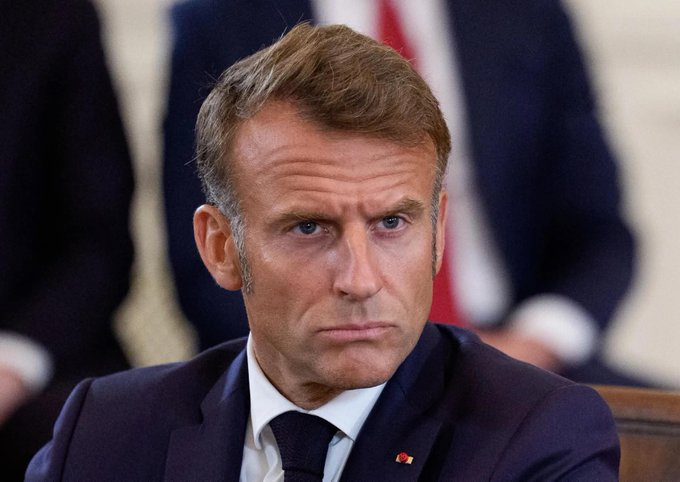
Speaking during a visit to South Korea, Macron directly addressed U.S. calls for allies to help secure or “liberate” the strait, noting that Washington’s position on the issue has varied. “This was never the option we have supported because it is unrealistic,” he said. “It would take forever, and would expose all those who go through the strait to risks from the guardians of the revolution [IRGC] but also ballistic missiles, and a host of other risks.”
Macron emphasized that France is “not a party to the conflict” and will not join any coercive naval mission while active hostilities continue. Instead, he advocated for a defensive escort operation for merchant vessels only after the situation calms, ideally under a broader international or UN framework, with Iran’s acceptance.
Macron’s Stance: Diplomacy Over Force
France has engaged around 35 countries to discuss future safe navigation but insists any action must follow a ceasefire and resumption of negotiations. Macron has also criticized inconsistencies in U.S. messaging on the Iran war and NATO, while defending the alliance’s core purpose for Euro-Atlantic security rather than offensive operations in the Middle East.
This position highlights growing divergences with the Trump administration, which has repeatedly urged allies — including NATO members — to contribute warships or support efforts to reopen the strait amid frustration over perceived burden-sharing failures.
The Hormuz Crisis: High Stakes for Global Energy
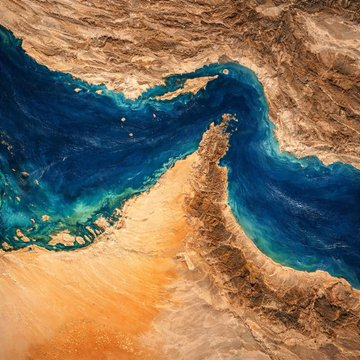
The Strait of Hormuz remains severely disrupted more than a month into the U.S.-Israeli campaign against Iran. Pre-war daily flows included approximately 20.3 million barrels of oil and petroleum products and 290 million cubic meters of LNG, with over 80% of the LNG destined for Asia.
Damage to Qatar’s LNG facilities, Iranian retaliatory actions, and security risks have paralyzed much of the traffic. Asian spot LNG prices have surged sharply, prompting China to resell record volumes — 1.31 million metric tons year-to-date (equivalent to 19 cargoes) — to help buyers in South Korea, Japan, India, Thailand, and the Philippines secure alternatives.
Iran has invited European, Asian, and Arab countries to negotiate safe-transit agreements on a case-by-case basis while maintaining selective controls and, in some instances, charging substantial fees.
Broader Conflict Context
Macron’s comments arrive as:
- IRGC-linked spokesperson Ebrahim Zolfaghari warns of “stronger, wider, and more destructive” Iranian attacks and claims vast unreachable military capabilities.
- Former Foreign Minister Kamal Kharazi remains seriously wounded after a strike on his Tehran home that killed his wife; he had reportedly been involved in Pakistan-mediated backchannels potentially involving U.S. Vice President JD Vance.
- U.S. intelligence finds no signs of Iranian regime collapse, with the IRGC retaining control.
- President Trump has claimed major objectives are nearing completion and suggested the operation could wind down soon, while pressing for the strait’s full reopening.
Implications
France’s firm stance adds to European caution about escalation and reinforces calls for de-escalation and diplomacy. It also underscores the practical challenges of any naval coalition: high exposure to asymmetric threats without Iranian cooperation or a ceasefire.
Whether a post-hostilities defensive escort mission can be rapidly organized — and whether Iran would tolerate it — will be critical for restoring energy flows and stabilizing markets.
Reflecto News will continue tracking reactions from Macron, Trump, other European leaders, and developments regarding the Strait of Hormuz, diplomatic channels, and the Iran conflict.
Sources: Reuters, Le Monde, Bloomberg, France 24, The Guardian, and official statements as of April 2, 2026. The situation in active conflict and maritime zones remains highly fluid.