Reflecto News is an online news platform covering major international political events, global economic developments, and security conflicts. The site provides updates on topics such as Chinese manufacturing dominance, Middle Eastern political tensions, and high profile legal arrests. Readers can access current articles organized by categories like World News, Iran, and USA.
In a rare diplomatic breakthrough amid escalating military tensions, France and Iran have finalized a prisoner exchange agreement that will free two French nationals and one Iranian citizen. The deal comes as the broader U.S.-Iran conflict intensifies, with threats of wider escalation, including potential closure of the Bab al-Mandab Strait by Iran’s allies.
By Reflecto News Desk
April 7, 2026 | Paris / Tehran
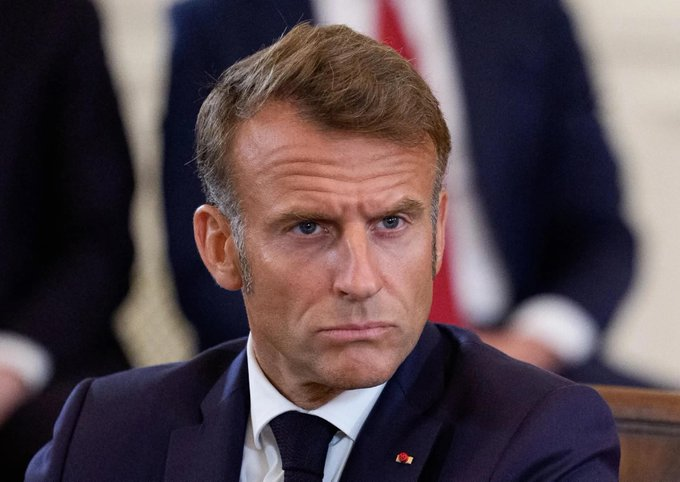
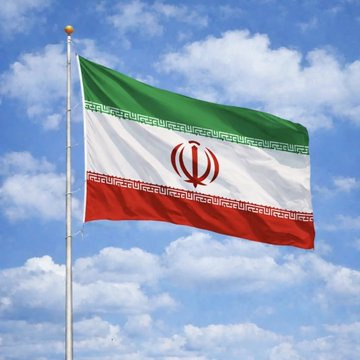
The agreement marks one of the few positive diplomatic developments in recent weeks, even as indirect talks between Iran and the United States remain frozen and U.S. strikes continue on Iranian military targets. French officials confirmed the exchange, which is expected to take place in the coming days, involving two French prisoners held in Iran and one Iranian national detained in France.
The timing is notable given the ongoing crisis over the Strait of Hormuz, recent IRGC warnings of responses “beyond the region,” and Iran’s threat that allies could close the Bab al-Mandab Strait if the conflict escalates further. The prisoner swap demonstrates that limited, targeted diplomacy between individual European nations and Iran can still occur despite the broader breakdown in U.S.-Iran relations.
Background and Context
Prisoner exchanges have historically served as low-level confidence-building measures between Iran and Western countries, even during periods of high tension. This deal follows:
- President Trump’s repeated ultimatums and warnings, including that “a whole civilization will die tonight” if Iran does not change course.
- U.S. Vice President JD Vance’s statement that the U.S. has additional “tools in our toolkit” ready for use if needed.
- Iranian President Masoud Pezeshkian’s pledges of national sacrifice and claims that over 14 million Iranians are ready to defend the country.
- Targeted U.S. strikes on sites like Kharg Island and Mehrabad International Airport.
- Iran’s freezing of all indirect diplomatic channels with the U.S. and threats involving the Bab al-Mandab Strait.
The French deal stands in contrast to the stalled U.S.-Iran track, highlighting differing approaches among Western allies.
Potential Implications
While the prisoner exchange is a humanitarian success, analysts caution it is unlikely to alter the trajectory of the larger conflict:
- It does not address core issues such as the reopening of the Strait of Hormuz or Iran’s military posture.
- France has previously expressed skepticism about large-scale military operations to force open the Hormuz strait, with President Macron calling such actions “unrealistic.”
- The deal may ease some bilateral tensions between Paris and Tehran but is not expected to influence U.S. decision-making or IRGC threats of expanded retaliation.
Global markets and shipping interests continue to watch for any signs of further disruption to key maritime chokepoints, including Hormuz and the potentially threatened Bab al-Mandab Strait (through which ~10–12% of world trade passes).
Reflecto News will continue monitoring the implementation of the prisoner exchange, any statements from French or Iranian officials, developments in the U.S.-Iran military standoff, and the status of critical shipping routes.
FAQs: France-Iran Prisoner Exchange Amid Ongoing Conflict
Q1: Who is being released in the deal?
Two French nationals held in Iran and one Iranian national detained in France.
Q2: Why is this deal significant at this time?
It represents a limited diplomatic success at a moment when U.S.-Iran indirect talks are frozen and military escalation risks are high.
Q3: Will this affect the broader U.S.-Iran conflict?
Unlikely. The exchange is bilateral between France and Iran and does not address core disputes such as the Strait of Hormuz or recent strikes.
Q4: How does this fit with Iran’s recent threats?
Iran continues to issue strong warnings, including potential closure of Bab al-Mandab by allies, while maintaining selective control over Hormuz.
Q5: What are the risks if the conflict continues to escalate?
Further disruption to global shipping lanes (Hormuz and Bab al-Mandab), higher energy prices, and potential civilian harm from infrastructure strikes.
Sources: Official statements from French and Iranian authorities, Reuters reporting, cross-referenced international coverage as of April 7, 2026. The situation remains highly dynamic, with military developments potentially overshadowing limited diplomatic gains.
Questions people ask
What is China's current share of global manufacturing?
China now accounts for twenty eight percent of global manufacturing. This industrial output exceeds the combined manufacturing production of the United States, Japan, and Germany, making China the leading global industrial power according to recent reports.
Why were Andrew Tate and Tristan Tate arrested in Miami?
Andrew Tate and his brother Tristan Tate were taken into custody in Miami by the United States Marshals Service. They face thirty eight new charges in the United Kingdom, including rape and child pornography offences, and prosecutors are seeking their extradition.
What warning did Moscow issue about oil prices?
Kirill Dmitriev, the Chief Executive of the Russian Direct Investment Fund, warned that a tsunami of skyrocketing oil prices is approaching. Moscow describes this potential energy shock as a major threat to global markets.
What political shift is projected for Benjamin Netanyahu's coalition?
Political polls project that Prime Minister Benjamin Netanyahu's coalition is on track to lose its majority in the upcoming October election. This projection indicates a potential political shift in Jerusalem.
Why did a Russian military aircraft land in Tehran?
A Russian airborne command aircraft, widely known as a doomsday plane, landed in Tehran. The arrival of the aircraft represents a high stakes show of support from Russia for Iran during a period of heightened regional tensions.
What did President Masoud Pezeshkian claim about the United States and Israel?
Iranian President Masoud Pezeshkian claimed that the United States and Israel failed in a forty eight hour plan to topple the Iranian government. He made these statements during a televised address marking two years since his inauguration.