Reflecto News is an online news platform covering major international political events, global economic developments, and security conflicts. The site provides updates on topics such as Chinese manufacturing dominance, Middle Eastern political tensions, and high profile legal arrests. Readers can access current articles organized by categories like World News, Iran, and USA.
JUST IN: Intense Backchannel Diplomacy Underway as Pakistan’s Army Chief Facilitates Talks Amid Escalating Iran Conflict and Hormuz Blockade
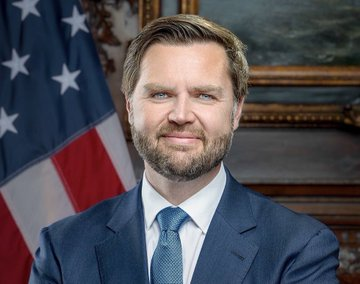
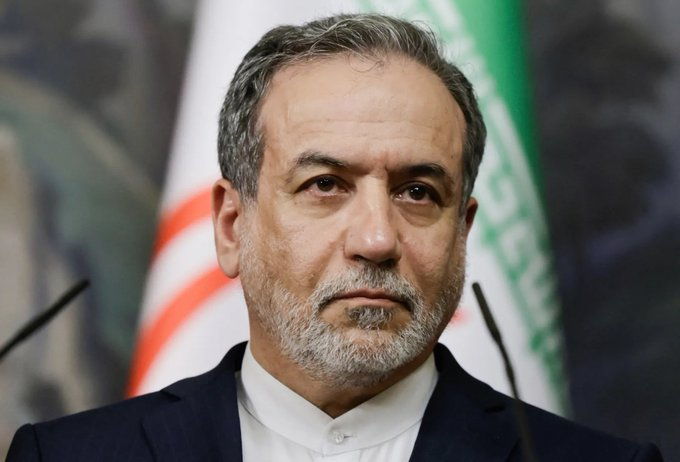
Reflecto News – US Vice President JD Vance has been engaged in intensive overnight communications with Iranian Foreign Minister Abbas Araghchi through Pakistani intermediaries, according to Reuters. Pakistan’s Army Chief, Field Marshal Asim Munir, reportedly maintained contact “all night long” with Vance, US special envoy Steve Witkoff, and Araghchi as part of efforts to broker an end to the ongoing US-Israeli military campaign against Iran.
The latest round of indirect talks comes as the conflict, now in its fifth week, continues to disrupt global energy markets through Iran’s closure of the Strait of Hormuz and follows recent high-profile strikes, including the killing of the IRGC intelligence chief.
Details of the Backchannel Communications
Sources briefed on the matter told Reuters that Pakistan is playing a central role as an intermediary between Washington and Tehran. The overnight contacts involved the exchange of messages aimed at exploring a potential ceasefire framework. A two-phase proposal reportedly circulated by mediators includes an immediate ceasefire followed by broader negotiations on de-escalation and security guarantees.
Vance, acting at the direction of President Donald Trump, has signaled openness to a ceasefire provided key US demands are met — most notably the immediate reopening of the Strait of Hormuz to restore freedom of navigation and ease the global oil supply shock. At the same time, messages conveyed a sense of urgency, with warnings that President Trump is growing impatient and that failure to reach a deal could lead to increased pressure on Iranian infrastructure.
These indirect channels supplement other diplomatic efforts, including text message exchanges between US envoy Steve Witkoff and Foreign Minister Araghchi, with additional involvement from mediators in Egypt and Turkey.
Key Figures Involved
- JD Vance: The US Vice President has taken on an expanding role in diplomatic efforts to resolve the conflict, communicating directly with intermediaries.
- Abbas Araghchi: Iran’s Foreign Minister since 2024, a seasoned diplomat known for his role in past nuclear negotiations, has emerged as a key interlocutor for Tehran despite public statements emphasizing lack of trust and the need for serious guarantees.
- Field Marshal Asim Munir: Pakistan’s Army Chief has been actively facilitating contacts, leveraging Islamabad’s relationships with both sides.
Iran has repeatedly stated that message exchanges do not yet constitute formal negotiations and has demanded strong assurances against future aggression, along with potential compensation for damages.
Context: The Broader Conflict and Economic Stakes
The US-Israeli campaign against Iran, which intensified in late February 2026, has included targeted strikes on military sites, nuclear-related facilities, and senior leadership. Iran has responded with missile and drone attacks while imposing a blockade on the Strait of Hormuz — a critical chokepoint responsible for a significant portion of global seaborne oil and LNG trade.
This closure has triggered sharp rises in energy prices, with Saudi Arabia recently hiking official selling prices to Asia to record levels. Global markets remain volatile as millions of barrels of oil remain stranded or rerouted at higher costs.
Diplomatic efforts have gained urgency amid mounting economic fallout, including inflationary pressures and supply chain disruptions worldwide. Bahrain’s recent call for a UN resolution authorizing force to reopen the strait highlights the international dimension of the crisis.
Challenges and Prospects for De-escalation
Deep mistrust remains a major obstacle. Iranian officials, including Araghchi, have stressed that any deal must address security concerns and prevent future attacks. On the US side, the emphasis is on verifiable steps to restore maritime security and limit Iran’s destabilizing regional activities.
A proposed peace summit in Islamabad involving higher-level figures, possibly including Vance, has been discussed but faces repeated delays. Analysts note that while backchannel contacts show willingness to engage, bridging the gap between demands and concessions will require careful balancing.
What Happens Next?
Developments are moving rapidly. Key factors to monitor include:
- Iran’s response to the latest mediation proposals.
- Any announcements regarding a formal ceasefire or partial reopening of the Strait of Hormuz.
- Potential escalation if deadlines or ultimatums are issued.
- Further involvement of regional mediators and the role of the United Nations.
Reflecto News will continue to track these high-stakes diplomatic maneuvers. The overnight contacts between Vance and Araghchi via Pakistani channels represent a significant, if indirect, effort to prevent further escalation in a conflict that already carries profound implications for global energy security and Middle East stability.
Questions people ask
What is China's current share of global manufacturing?
China now accounts for twenty eight percent of global manufacturing. This industrial output exceeds the combined manufacturing production of the United States, Japan, and Germany, making China the leading global industrial power according to recent reports.
Why were Andrew Tate and Tristan Tate arrested in Miami?
Andrew Tate and his brother Tristan Tate were taken into custody in Miami by the United States Marshals Service. They face thirty eight new charges in the United Kingdom, including rape and child pornography offences, and prosecutors are seeking their extradition.
What warning did Moscow issue about oil prices?
Kirill Dmitriev, the Chief Executive of the Russian Direct Investment Fund, warned that a tsunami of skyrocketing oil prices is approaching. Moscow describes this potential energy shock as a major threat to global markets.
What political shift is projected for Benjamin Netanyahu's coalition?
Political polls project that Prime Minister Benjamin Netanyahu's coalition is on track to lose its majority in the upcoming October election. This projection indicates a potential political shift in Jerusalem.
Why did a Russian military aircraft land in Tehran?
A Russian airborne command aircraft, widely known as a doomsday plane, landed in Tehran. The arrival of the aircraft represents a high stakes show of support from Russia for Iran during a period of heightened regional tensions.
What did President Masoud Pezeshkian claim about the United States and Israel?
Iranian President Masoud Pezeshkian claimed that the United States and Israel failed in a forty eight hour plan to topple the Iranian government. He made these statements during a televised address marking two years since his inauguration.