Reflecto News is an online news platform covering major international political events, global economic developments, and security conflicts. The site provides updates on topics such as Chinese manufacturing dominance, Middle Eastern political tensions, and high profile legal arrests. Readers can access current articles organized by categories like World News, Iran, and USA.
JUST IN: Tehran Insists on Comprehensive Resolution with Guarantees and Compensation as Backchannel Talks Continue Amid Hormuz Blockade
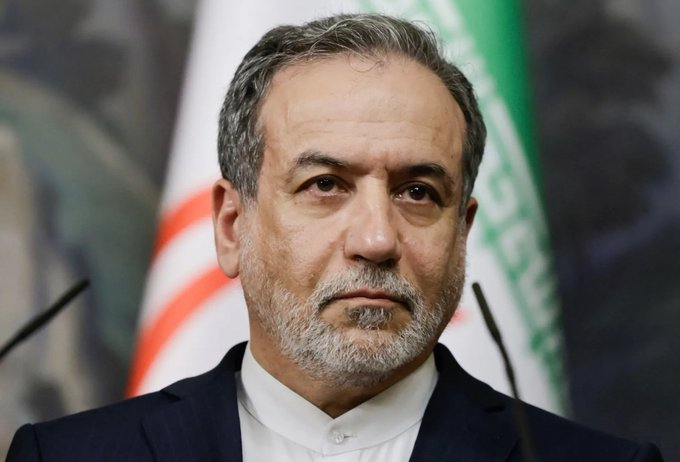
Reflecto News – Iranian Foreign Minister Abbas Araghchi has firmly rejected proposals for a temporary ceasefire in the ongoing conflict with the United States and Israel, stating that such pauses would only allow “crimes” and aggression to continue. Instead, Iran demands a “conclusive and lasting” end to the war across the region, including strong security guarantees against future attacks and compensation for damages inflicted on Iran.
Araghchi’s remarks, delivered amid active diplomatic mediation, underscore Tehran’s hardline stance even as indirect contacts — including overnight communications between US Vice President JD Vance and Araghchi via Pakistani intermediaries — remain underway.
Araghchi’s Position: No Pause, Only Permanent Peace
In recent statements and interviews, Araghchi has repeatedly clarified that Iran has never requested a ceasefire or formal negotiations. He emphasized that any resolution must address the root causes of the conflict and prevent recurrence.
Key elements of Iran’s demands include:
- A complete, comprehensive, and lasting end to hostilities — not limited to Iran but extending across the broader region.
- Binding international guarantees that US and Israeli aggression will not be repeated.
- Compensation for the extensive damages caused by strikes on Iranian infrastructure, military sites, and civilian areas.
- Recognition of Iran’s sovereignty and security concerns, including its right to self-defense.
Araghchi has warned that temporary truces would merely provide breathing room for further “crimes” and aggression, allowing the aggressors to regroup without addressing underlying injustices. He stressed that Iran remains prepared to defend itself “as long as it takes” while remaining open to serious diplomatic proposals that meet these conditions.
Context Within Ongoing Backchannel Diplomacy
These statements come shortly after reports that Pakistan’s Army Chief, Field Marshal Asim Munir, facilitated overnight contacts involving Vance, US special envoy Steve Witkoff, and Araghchi. Mediators have circulated proposals for a potential 45-day temporary ceasefire linked to the reopening of the Strait of Hormuz, as part of a two-phase approach toward a broader settlement.
Iran has shown no commitment to such temporary measures, with officials indicating that Tehran will not reopen the critical waterway in exchange for a short-term pause. Messages exchanged through Pakistan, Egypt, Turkey, and direct text channels have so far not bridged the gap between US urgency on maritime security and Iran’s insistence on permanent terms.
Link to the Strait of Hormuz Crisis
The blockade of the Strait of Hormuz remains a central leverage point and flashpoint. Iran maintains that the waterway is closed to adversaries supporting aggression, while allowing safe passage for friendly vessels. The disruption has already triggered record oil price hikes to Asia by Saudi Arabia and heightened global energy volatility.
Any lasting resolution will likely require addressing navigation freedoms in the strait alongside Iran’s core demands. Bahrain’s recent call for a UN resolution authorizing force to reopen the waterway adds further international pressure.
Broader Conflict Background
The US-Israeli military campaign against Iran, which escalated in late February 2026, has included targeted strikes that killed senior figures such as the IRGC intelligence chief Majid Khademi. Iran has responded with missile and drone attacks while sustaining the Hormuz closure.
Recent overnight diplomacy reflects growing urgency due to economic fallout, but deep mistrust persists. Iran views US proposals with skepticism, particularly amid continued strikes, while Washington seeks swift restoration of global shipping routes.
Implications and What Lies Ahead
Araghchi’s rejection of a temporary ceasefire complicates mediator efforts and raises the risk of prolonged conflict. A permanent deal would need to balance Iran’s security and reparations demands with international concerns over maritime security, regional stability, and nuclear issues.
Key developments to watch:
- Iran’s formal response to the latest mediated proposals.
- Potential further strikes or Iranian retaliation.
- Impact on global oil markets and supply chains.
- Involvement of other actors, including Gulf states and the United Nations.
Reflecto News will continue monitoring these critical diplomatic exchanges and the evolving situation in the Middle East. The path from backchannel messaging to a durable resolution remains narrow, with significant stakes for regional peace and the global economy.
Questions people ask
What is China's current share of global manufacturing?
China now accounts for twenty eight percent of global manufacturing. This industrial output exceeds the combined manufacturing production of the United States, Japan, and Germany, making China the leading global industrial power according to recent reports.
Why were Andrew Tate and Tristan Tate arrested in Miami?
Andrew Tate and his brother Tristan Tate were taken into custody in Miami by the United States Marshals Service. They face thirty eight new charges in the United Kingdom, including rape and child pornography offences, and prosecutors are seeking their extradition.
What warning did Moscow issue about oil prices?
Kirill Dmitriev, the Chief Executive of the Russian Direct Investment Fund, warned that a tsunami of skyrocketing oil prices is approaching. Moscow describes this potential energy shock as a major threat to global markets.
What political shift is projected for Benjamin Netanyahu's coalition?
Political polls project that Prime Minister Benjamin Netanyahu's coalition is on track to lose its majority in the upcoming October election. This projection indicates a potential political shift in Jerusalem.
Why did a Russian military aircraft land in Tehran?
A Russian airborne command aircraft, widely known as a doomsday plane, landed in Tehran. The arrival of the aircraft represents a high stakes show of support from Russia for Iran during a period of heightened regional tensions.
What did President Masoud Pezeshkian claim about the United States and Israel?
Iranian President Masoud Pezeshkian claimed that the United States and Israel failed in a forty eight hour plan to topple the Iranian government. He made these statements during a televised address marking two years since his inauguration.