“Trump is furious with NATO, but the Hormuz crisis has made one thing clear: the US can’t achieve its goals alone, it still needs NATO. If that weren’t true, he wouldn’t be inviting multiple countries to help on the strait. Irony of fate: NATO’s importance is only growing. So, is he really saying ‘I’m leaving NATO no matter what’? Good luck with China.” — Yahya Bostan
By Reflecto News Desk
April 2, 2026 | Istanbul / Washington
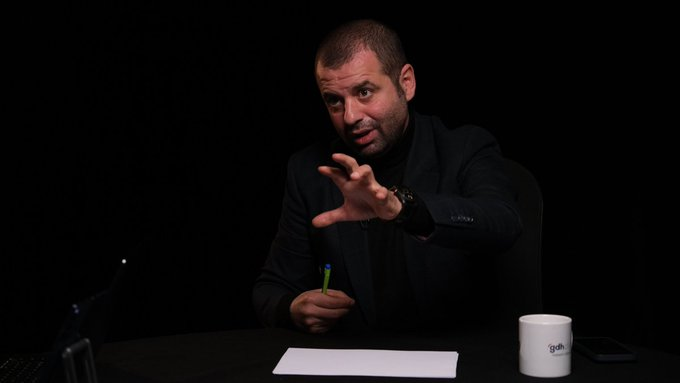
Turkish journalist Yahya Bostan, known for his sharp commentary on international affairs, has captured a central tension in the ongoing U.S.-Israeli conflict with Iran: President Donald Trump’s long-standing grievances with NATO allies are clashing with the practical need for international cooperation to reopen the Strait of Hormuz.
Bostan’s observation underscores a key irony — while Trump has repeatedly criticized NATO as unfair to the U.S. and even floated withdrawing from the alliance, the disruptions in the vital shipping lane have forced Washington to seek broader support, including from European partners.
Trump’s Frustration with NATO
Trump has publicly expressed anger toward NATO members for their reluctance to contribute meaningfully to efforts to secure the Strait of Hormuz. He has described the alliance as a “one-way street,” accused allies of freeloading on U.S. protection, and warned that failure to assist could mean a “very bad future” for NATO. In heated remarks, he has suggested the U.S. no longer needs or desires NATO’s help in the current crisis, claiming military successes against Iran have made unilateral action sufficient.
This rhetoric aligns with Trump’s long-held view that European allies under-invest in defense and fail to share burdens equitably. Reports indicate several NATO countries, including France, Spain, and others, have been cautious or outright reluctant to commit naval assets to a Hormuz coalition, citing risks of escalation and domestic political concerns.
The Hormuz Reality Check
Despite the tough talk, the crisis in the Strait of Hormuz — where Iranian actions and related damage have severely restricted tanker traffic — has exposed limits to unilateral U.S. power. The waterway carries roughly 20% of global LNG and a massive share of seaborne oil, with over 80% of that LNG historically destined for Asia. Disruptions have driven up Asian spot LNG prices, forced China to resell record volumes (1.31 million metric tons year-to-date), and prompted scrambling by buyers in South Korea, Japan, India, Thailand, and the Philippines.
Trump has repeatedly called on multiple countries — including NATO members, Japan, South Korea, and even China — to send warships or coordinate to reopen the strait. He has framed it as a shared responsibility for nations dependent on the route, offering U.S. coordination and support. This outreach, analysts note, implicitly acknowledges that securing safe passage, clearing potential threats, and restoring confidence for commercial shipping benefits from a broader coalition.
Iran, meanwhile, has invited European, Asian, and Arab countries to negotiate safe-transit agreements while maintaining selective controls and reportedly charging high fees in some cases. China has publicly called the U.S.-Israeli strikes “illegal” and blamed them for the closure.
The Irony Bostan Points Out
Bostan’s core argument: If the U.S. truly did not need partners, there would be no invitations for help. The very act of seeking multinational involvement — even amid frustration — highlights NATO’s enduring relevance for power projection, deterrence, and managing global chokepoints. As the conflict drags into its fifth week, with no signs of Iranian regime collapse (per U.S. intelligence) and ongoing retaliatory risks, the limits of “going it alone” become clearer.
The journalist also notes the challenge of relying on China, which has its own strategic interests, energy needs, and criticism of the strikes. Turning to Beijing for cooperation on Hormuz while pressuring NATO adds layers of complexity to U.S. diplomacy.
Broader Context
This episode occurs alongside other developments:
- Targeted strikes, including the wounding of former Iranian Foreign Minister Kamal Kharazi.
- Iran’s claims of vast, unreachable military capabilities and offers for selective transit deals.
- Continued energy market volatility and selective Chinese LNG resales providing short-term relief to Asian buyers.
Trump has signaled that major objectives may be nearing completion and the operation could wind down soon, while pressing for full reopening of the strait.
Whether NATO allies step up, how China responds, and whether backchannel efforts (including those reportedly involving Pakistan) gain traction will shape the next phase. Bostan’s commentary reflects a widely discussed view in regional and international circles: great-power competition and crises like Hormuz often reinforce, rather than diminish, the value of established alliances — even when they are strained.
Reflecto News will continue tracking statements from Trump, NATO responses, developments in the Strait of Hormuz, and reactions from regional analysts including Yahya Bostan.
Sources include public statements attributed to Yahya Bostan, reporting from Al Jazeera, The New York Times, The Guardian, AP, and other outlets covering the Iran conflict and Hormuz situation as of April 2, 2026. Developments remain fluid.