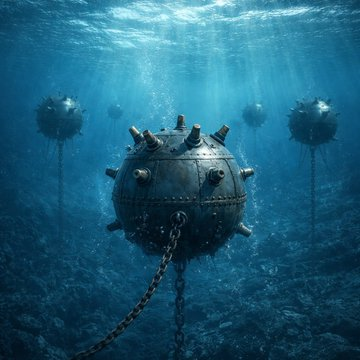
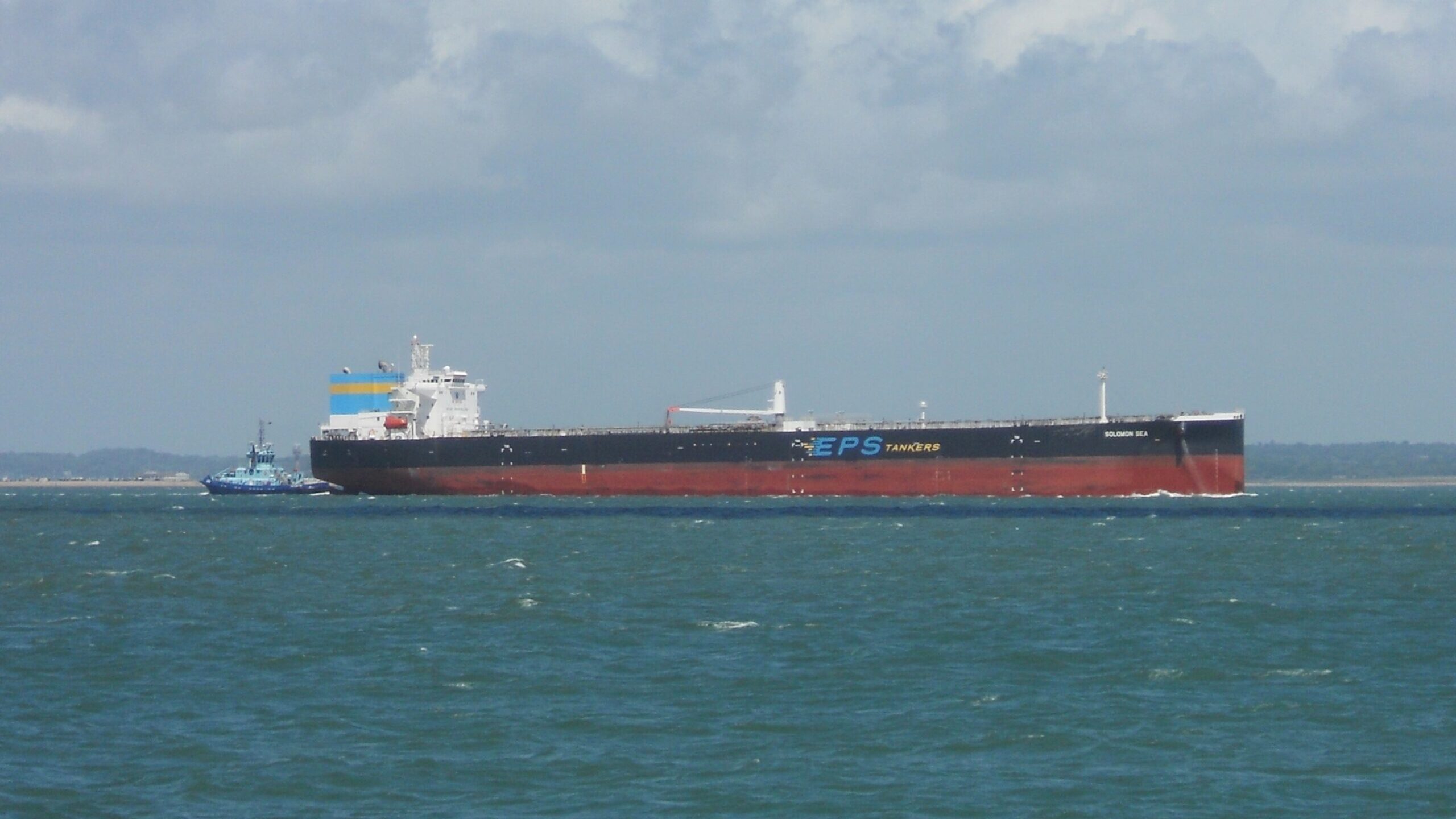
Three oil tankers caught fire and were disabled after striking naval mines east of the Strait of Hormuz on Wednesday, Iran’s navy said, in the latest in a series of mine incidents in the strategic waterway.
What Iran’s Navy Says Happened
Iran’s Navy said the three oil tankers caught fire and were disabled after hitting naval mines while sailing east of the Strait of Hormuz, according to Press TV, as reported by Al Arabiya.
In a statement, the Iranian Army Navy said the three vessels had switched off their navigation systems before entering an area it described as prohibited to shipping, according to Türkiye Today. The tankers subsequently struck naval mines and caught fire, leaving all three unable to continue sailing, the military said.
Iran’s Islamic Revolutionary Guard Corps (IRGC) said the tankers had been operating in restricted areas despite warnings issued by Iranian naval forces, according to Al Jazeera. The IRGC statement, carried by Iran’s state-run IRIB news agency, also said that passage through the strategic waterway must be coordinated with Iranian authorities.
The army did not provide further details about the vessels, their crews or possible casualties, according to Türkiye Today. The claims could not be independently verified.
The Warnings and the Prohibited Area
According to the Iranian statements, the three tankers ignored warnings from Iranian naval forces while navigating through restricted areas with their navigation systems disabled. The vessels then entered a prohibited area east of the Strait of Hormuz before striking the mines, the statements said.
Iran’s position, as stated by the IRGC, is that all vessels transiting the Strait of Hormuz must comply with regulations announced by Iran’s armed forces and coordinate their passage with Iranian authorities.
The account comes entirely from Iranian military sources. No independent confirmation of the vessels’ identities, their flags, their cargoes or the condition of their crews had been published at the time of writing.
A Pattern of Mine Strikes in the Strait
The incident is the latest in a run of mine strikes on commercial shipping in and around the Strait of Hormuz. At least five vessels have reportedly been hit recently in the waterway, according to shipping reports.
On November 17, a fourth oil tanker caught fire in the strait after hitting a naval mine, according to the Iranian Navy, as reported by shipping news outlets. Earlier incidents reported in the same waterway include a supertanker said to have sunk after two ships hit mines while carrying around two million barrels of oil.
The repeated strikes have raised further concerns over maritime security in the waterway, through which a large share of the world’s seaborne oil passes. Each new incident adds to the pressure on shipping companies, insurers and governments that depend on the route.
Why the Strait Matters
The Strait of Hormuz is the narrow waterway between Iran and Oman that connects the Persian Gulf with the open sea. It is one of the most important chokepoints in the global energy system, carrying a large share of the world’s oil and liquefied natural gas exports.
Any threat to shipping in the strait affects energy prices, insurance costs and the security calculations of governments far beyond the region. That is why each mine incident, whether confirmed independently or reported only by one side, is watched closely in energy markets and capitals.
The strait has been at the centre of tensions for months, with Iran imposing shipping restrictions, the United States and its allies running naval patrols, and commercial vessels caught between competing claims over who controls passage.
The scale of the traffic explains the stakes. According to the United States Energy Information Administration, oil flows through the strait averaged about 20 million barrels a day in 2024, equal to around 20 percent of global petroleum liquids consumption and more than a quarter of all oil traded by sea. Around one-fifth of the world’s liquefied natural gas trade also passed through the strait that year, mostly from Qatar.
What Comes Next
It is not yet clear whether the three tankers will be salvaged, whether any crew members were hurt, or whether any government or shipping company will confirm the Iranian account. What is clear is that the pattern of mine strikes in the strait has not stopped, and that commercial shipping through one of the world’s most important waterways remains exposed.
Maritime authorities and shipping companies will be watching for further statements, for any independent reporting from the scene, and for any change in the security guidance issued to vessels planning to transit the strait.
Frequently Asked Questions (FAQs)
1. What happened to the three oil tankers?
According to Iran’s navy, three oil tankers caught fire and were disabled after striking naval mines east of the Strait of Hormuz on Wednesday, after entering an area Iran describes as prohibited to shipping.
2. Why did the tankers hit the mines, according to Iran?
Iran’s military says the vessels ignored warnings from Iranian naval forces, switched off their navigation systems and entered a prohibited area east of the strait before striking the mines.
3. Have the claims been independently verified?
No. The claims could not be independently verified, and no details about the vessels, their crews or possible casualties were provided in the Iranian statements.
4. Is this the first such incident?
No. At least five vessels have reportedly been hit recently in the strait, including a fourth tanker that caught fire after hitting a naval mine on November 17.