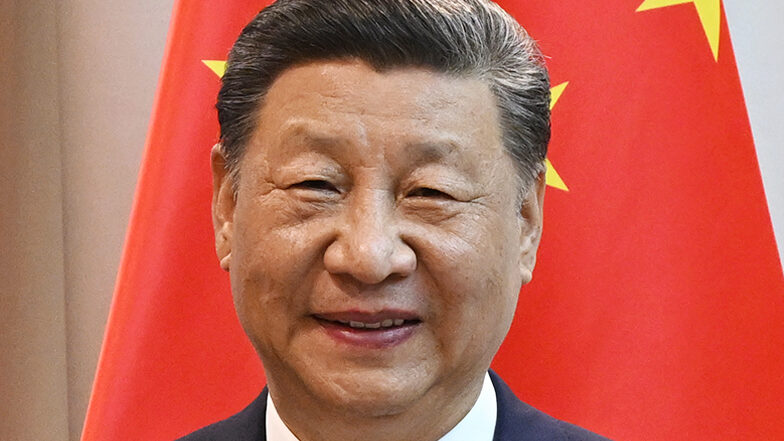
The leaders of the United States, China and Russia have held their first-ever trilateral summit, meeting in Shenzhen on Thursday, November 19, 2026, on the sidelines of the APEC leaders’ meeting, with nuclear arms reduction, the war in Ukraine and the situation in Iran at the top of the agenda.
A First in Modern Diplomacy
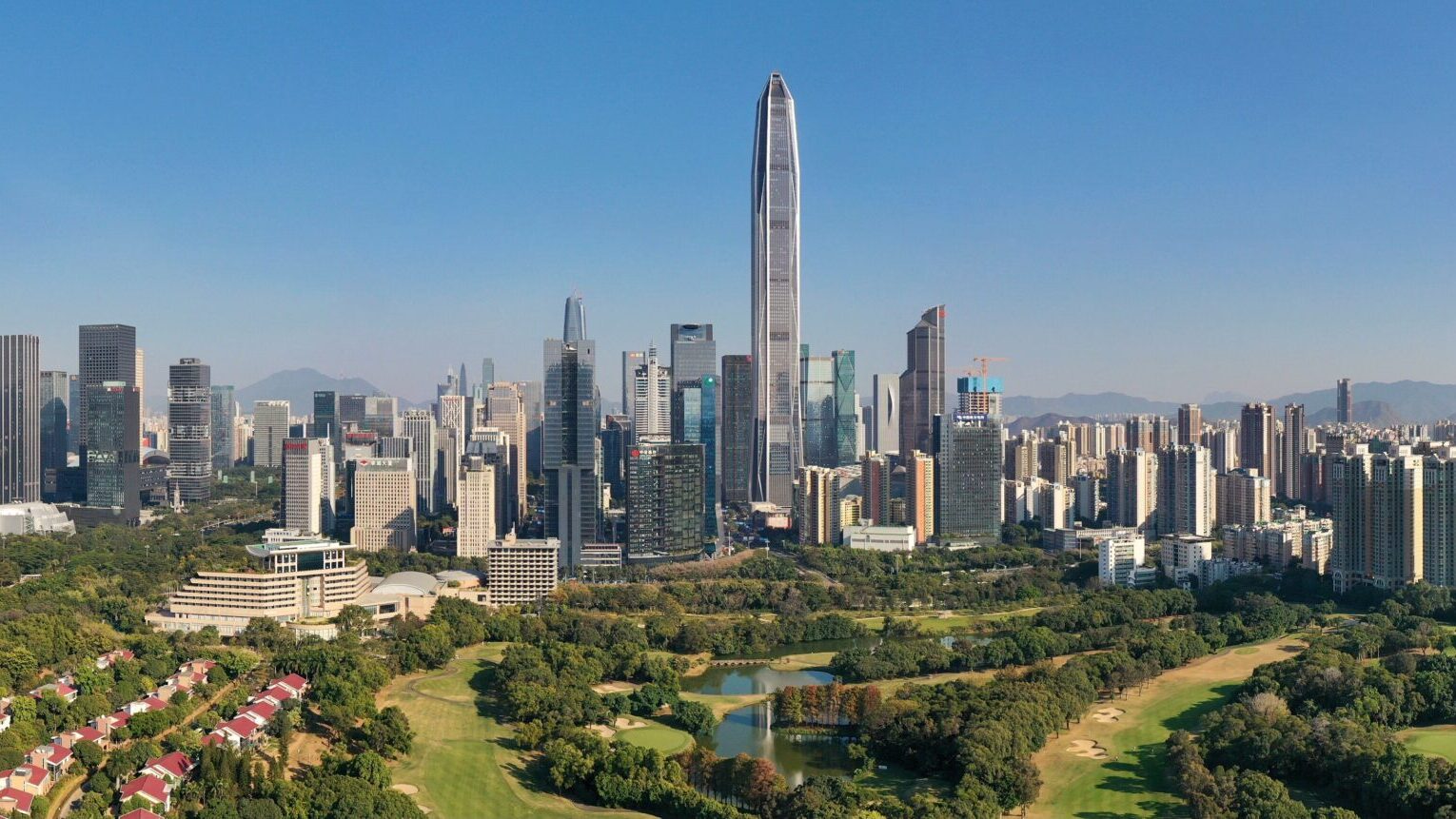
United States President Donald Trump, Chinese President Xi Jinping and Russian President Vladimir Putin met for the three-way summit at the Kylin Villa in Shenzhen, according to South Korea’s Yonhap news agency. The meeting took place during the 33rd APEC Economic Leaders’ Meeting in the southern Chinese technology hub.
The gathering is historic because it is the first known trilateral meeting of the three presidents. It brings together the leaders of the world’s three largest nuclear powers at a moment of sharp disagreement over nuclear arms control, the wars in Ukraine and Iran, trade, technology and the future of the global order, according to the Financial Express.
Trump arrived in China on Wednesday and was received at the airport by Xi before joining Putin and other leaders at the APEC summit. The three leaders had greeted each other at the APEC leaders’ welcome reception at the Shenzhen International Communication Center on Wednesday evening.
Before the three-way session, Trump held separate meetings with each of the other two leaders. He met Xi for talks and a working lunch, and he held a bilateral meeting with Putin that lasted around 40 minutes, according to multiple reports.
Nuclear Arms at the Centre of the Agenda
Trump has placed nuclear arms control at the centre of his agenda for the meeting. Before leaving for Asia, he said: “We’re going to be talking about denuclearisation. We’ll talk about Iran.”
At the summit, Trump called for cooperation among the three major powers to reduce nuclear weapons and prevent proliferation. “As the world’s three largest nuclear powers by far, the United States, Russia and China are uniquely positioned to discuss how to reduce the number of nuclear weapons on Earth, and also to lessen the risk that those weapons will ever be used,” he said, according to Yonhap.
The meeting comes at a sensitive moment for global security, following the expiry of the United States-Russia New START treaty earlier this year. That expiry left Washington and Moscow without a binding bilateral strategic arms-control treaty.
Trump has called for a “new, improved and modernised” agreement that includes China, according to the Financial Express. China has long resisted trilateral nuclear-limitation talks because its arsenal of more than 600 warheads is far smaller than the more than 5,000 warheads believed to be held by each of the United States and Russia.
Kremlin foreign policy aide Yuri Ushakov said on Monday that the countries were engaged in intensive consultations over a draft joint statement, adding that Russia had conveyed its position to China, according to Russia’s TASS news agency. It remained unclear whether the three sides would adopt a joint statement.
Ukraine Dominates the Bilateral Talks
The war in Ukraine dominated the meeting between Putin and Trump, Ushakov said on Thursday, according to The Hindu. The bilateral meeting went well, and Putin left the talks “in an excellent” mood, Ushakov was quoted as saying by TASS.
The two leaders also discussed bilateral ties and their upcoming joint meeting with Xi during the APEC summit in Shenzhen, Ushakov added.
United States officials said the three leaders would likely discuss, among other issues, the war in Ukraine, the situation in Iran, global energy stability and nuclear arms control, according to The Hindu. Officials have described the rare trilateral leaders’ summit as more of an exploratory and symbolic meeting, playing down the likelihood of substantive outcomes, either with regard to a possible Russia-Ukraine deal or on the crisis in West Asia.
Arms-control experts have kept expectations low for major breakthroughs, given the deep differences over Ukraine, Iran, nuclear weapons and trade. One meeting is unlikely to produce a breakthrough in nuclear talks, analysts say.
The gathering has drawn comparisons with the 1945 Yalta conference, where the leaders of the United States, the Soviet Union and Britain redrew the post-war order. The comparison reflects the scale of the moment rather than any agreement reached.
Iran and the Strait of Hormuz
Iran was also on the agenda. Both the United States and China have an interest in ensuring that energy flows through the Strait of Hormuz and that Iran cannot have a nuclear weapon, according to Yonhap.
The meeting comes amid differences among the three countries over key international issues, including nuclear disarmament and conflicts involving Ukraine and Iran.
It also remained uncertain whether Trump would meet North Korean leader Kim Jong-un during his visit to China, according to Yonhap.
What the Summit Can — and Cannot — Deliver
The summit’s significance lies less in any single agreement than in the fact that it happened at all. The leaders of the three largest nuclear powers have never sat down together in this format, and the meeting itself signals that all three see value in direct talks even while their differences run deep.
Whether the talks produce a joint statement, a new arms-control process or movement on Ukraine and Iran will become clear in the hours and days that follow. For now, officials on all sides have been careful to describe the meeting as a beginning rather than a conclusion.
Frequently Asked Questions (FAQs)
1. What is the Trump-Xi-Putin trilateral summit?
It is the first-ever meeting of the presidents of the United States, China and Russia together, held in Shenzhen on November 19, 2026, on the sidelines of the APEC leaders’ meeting.
2. What did the three leaders discuss?
According to United States officials, the agenda included nuclear arms reduction, the war in Ukraine, the situation in Iran and global energy stability.
3. Why does the expiry of the New START treaty matter?
New START was the last binding United States-Russia strategic arms-control treaty. Its expiry earlier in 2026 left the two countries without agreed limits on their arsenals, and Trump wants a new agreement that also includes China.
4. Did the summit produce an agreement?
It was not clear whether the three sides would adopt a joint statement. Officials described the meeting as exploratory and symbolic, and experts kept expectations low for major breakthroughs.