Reflecto News is an online news platform covering major international political events, global economic developments, and security conflicts. The site provides updates on topics such as Chinese manufacturing dominance, Middle Eastern political tensions, and high profile legal arrests. Readers can access current articles organized by categories like World News, Iran, and USA.
JUST IN: President Lee Jae-myung Acknowledges Inevitable Risks in Securing Energy Supplies Amid Ongoing Strait of Hormuz Blockade
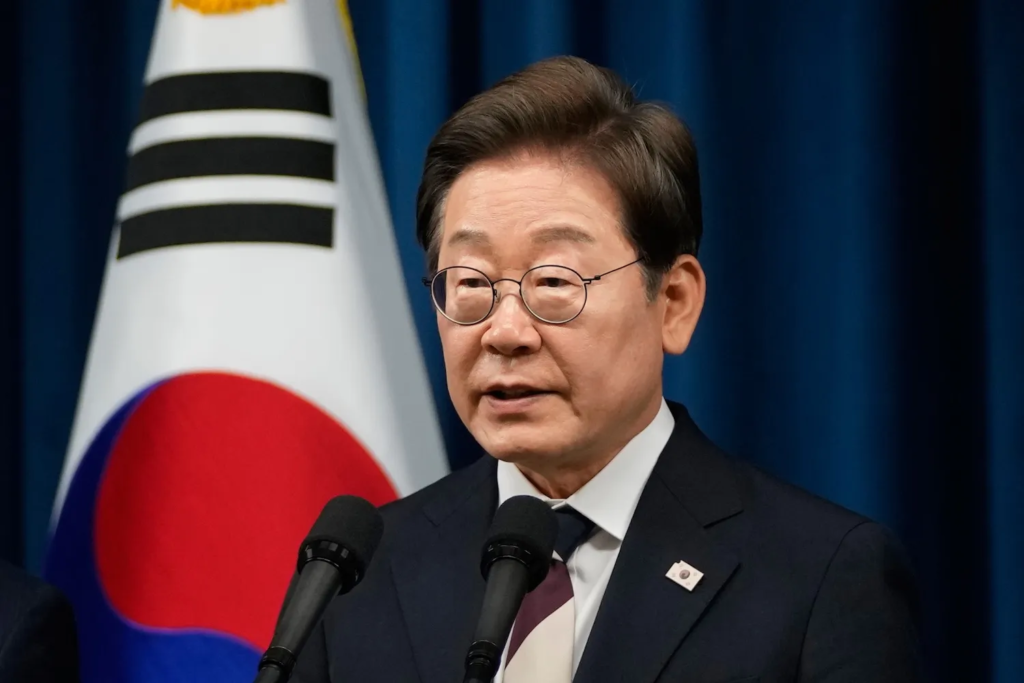
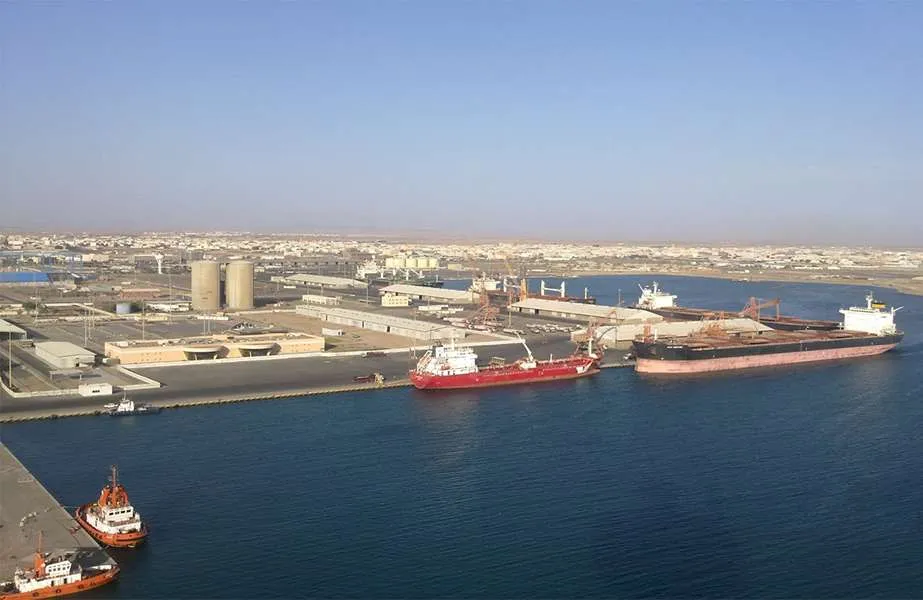
Reflecto News – South Korea is actively considering the deployment of five Korean-flagged vessels to Saudi Arabia’s Yanbu port on the Red Sea coast to establish alternative crude oil supply routes bypassing the blockaded Strait of Hormuz. The plan was announced following a high-level government meeting, with President Lee Jae-myung stressing that some level of risk is unavoidable to protect the country’s energy security.
The announcement comes as the Hormuz disruption, now in its sixth week, continues to threaten South Korea’s oil imports. The country relies heavily on Middle Eastern crude, with a significant portion historically routed through the strait.
Details of the Yanbu Plan
According to ruling party lawmaker Ahn Do-geol, who spoke after a meeting involving the energy ministry and other agencies, Korean-flagged ships are needed to secure crude supplies via routes that avoid the Persian Gulf. The government is specifically reviewing the dispatch of five vessels to Yanbu, where Saudi crude can be loaded after being transported via the East-West Pipeline (Petroline) from eastern oil fields.
- Yanbu’s Role: Located on Saudi Arabia’s Red Sea coast, the port serves as a key bypass hub. Crude is piped approximately 1,200 km from Abqaiq and other fields, allowing exports without entering the Hormuz chokepoint.
- Capacity Limits: Yanbu’s export capacity is around 5 million barrels per day (with some reports of recent surges toward higher utilization), far below the volumes typically flowing through Hormuz (20–30% of global seaborne oil).
- Safety Considerations: The Red Sea route carries its own risks, including potential threats in the Bab el-Mandeb Strait, but officials are preparing measures for vessels meeting specific safety requirements.
The move is part of broader emergency measures, including sending special envoys to Saudi Arabia, Oman, and Algeria to secure additional oil volumes and exploring other diversification options.
President Lee Jae-myung’s Position
During a Cabinet meeting that doubled as an emergency economic review, President Lee emphasized the need to balance vessel safety with supply security. He stated that completely avoiding risk could lead to severe disruptions for the public and the economy, adding: “There are not many alternative routes… so we need to strike a balance and accept a certain degree of risk.”
The government is also reviewing the partial use of strategic petroleum reserves, adjusting refinery supply ratios, and supporting private-sector efforts to charter suitable tankers.
South Korea’s Vulnerability in the Crisis
South Korea is one of the world’s most oil-import-dependent economies, with roughly 70% of its crude historically passing through the Strait of Hormuz. The blockade has already stranded around 26 Korean-flagged or operated vessels in the region, prompting earlier diplomatic outreach to Iran for exemptions.
Domestic refiners have been scrambling for cargoes at Yanbu and other bypass points, intensifying competition with buyers from China, Japan, and Southeast Asia. The government has lowered the exclusive supply ratio for certain refiners from 100% to 60% and is exploring crude swaps and other mechanisms to stabilize supplies for April and beyond.
Broader Implications
The Yanbu route provides a critical but limited workaround. While it helps offset some losses from the Hormuz closure, capacity constraints and additional shipping distances (plus Red Sea risks) mean it cannot fully replace traditional flows. This has contributed to global oil price volatility and record premiums in certain markets.
South Korea’s proactive steps reflect the urgent economic pressures facing major Asian importers. Similar diversification efforts are underway in Japan and other nations heavily reliant on Gulf oil.
What Happens Next?
The government is expected to finalize details on the five vessels, including safety protocols and coordination with Saudi authorities. Progress will depend on:
- Availability of loading slots at Yanbu amid heightened demand.
- Developments in ceasefire talks and any potential reopening (or further restrictions) of the Strait of Hormuz.
- Diplomatic outcomes from envoys dispatched to the Gulf and North Africa.
- Market responses, including oil prices and shipping costs.
Reflecto News will continue monitoring South Korea’s energy security measures, alternative routing developments, and the wider impacts of the Hormuz crisis on global oil supply chains. President Lee’s acknowledgment of unavoidable risk underscores the difficult trade-offs major importers face in this prolonged disruption.
Questions people ask
What is China's current share of global manufacturing?
China now accounts for twenty eight percent of global manufacturing. This industrial output exceeds the combined manufacturing production of the United States, Japan, and Germany, making China the leading global industrial power according to recent reports.
Why were Andrew Tate and Tristan Tate arrested in Miami?
Andrew Tate and his brother Tristan Tate were taken into custody in Miami by the United States Marshals Service. They face thirty eight new charges in the United Kingdom, including rape and child pornography offences, and prosecutors are seeking their extradition.
What warning did Moscow issue about oil prices?
Kirill Dmitriev, the Chief Executive of the Russian Direct Investment Fund, warned that a tsunami of skyrocketing oil prices is approaching. Moscow describes this potential energy shock as a major threat to global markets.
What political shift is projected for Benjamin Netanyahu's coalition?
Political polls project that Prime Minister Benjamin Netanyahu's coalition is on track to lose its majority in the upcoming October election. This projection indicates a potential political shift in Jerusalem.
Why did a Russian military aircraft land in Tehran?
A Russian airborne command aircraft, widely known as a doomsday plane, landed in Tehran. The arrival of the aircraft represents a high stakes show of support from Russia for Iran during a period of heightened regional tensions.
What did President Masoud Pezeshkian claim about the United States and Israel?
Iranian President Masoud Pezeshkian claimed that the United States and Israel failed in a forty eight hour plan to topple the Iranian government. He made these statements during a televised address marking two years since his inauguration.