Reflecto News is an online news platform covering major international political events, global economic developments, and security conflicts. The site provides updates on topics such as Chinese manufacturing dominance, Middle Eastern political tensions, and high profile legal arrests. Readers can access current articles organized by categories like World News, Iran, and USA.
Reflecto News | Breaking News | Global Energy & Geopolitics
MOSCOW — Russian Deputy Prime Minister Alexander Novak has warned that global oil markets could take “several months” to recover to pre-conflict levels even if the Strait of Hormuz is reopened, citing a massive backlog of undelivered crude and a deep structural imbalance in global energy supplies.
The comments from one of the world’s most influential energy officials underscore the lasting economic damage inflicted by the ongoing crisis in the Middle East, as diplomatic efforts to end the war between Iran, the US, and Israel continue in parallel with a fragile ceasefire.
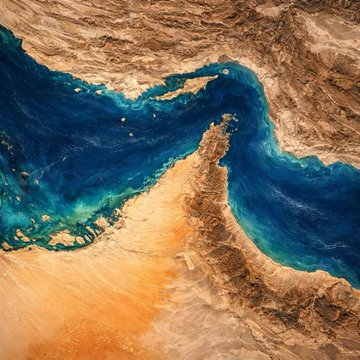
The Depth of the Crisis: ‘A Very Large Undersupply’
Speaking in an interview with the Russian VGTRK broadcasting company, Novak described the current state of the oil market as critically destabilized, with consequences that will reverberate long after any potential diplomatic resolution.
“The crisis is very deep — a very large number of barrels of oil did not reach the market during this period, and a large number of ships have accumulated in the Strait of Hormuz. Therefore, of course, it will take some time to rebalance and recover to the previous level. In our view, that will be several months.”
— Alexander Novak, Russian Deputy Prime Minister
Novak’s assessment reflects the unprecedented scale of disruption at the world’s most critical energy chokepoint. Since the US-Israeli war against Iran began on February 28, Tehran has maintained control of the Strait of Hormuz, severely restricting the flow of oil and liquefied natural gas.
The Numbers Behind the Disruption
The scale of the supply shock is staggering. The International Energy Agency (IEA) has warned that the world is facing an “unprecedented threat to energy security,” with approximately 13 million barrels of oil per day lost from global markets due to the blockade.
| Metric | Impact |
|---|---|
| Pre-war daily transit through Strait | ~20 million barrels (20% of global supply) |
| Current supply loss | ~13 million barrels per day |
| Backlog of vessels | Dozens of tankers stranded awaiting transit |
| Current Brent crude price | ~$105-106 per barrel |
| Pre-war Brent price (Feb 2026) | ~$85-90 per barrel |
The price impact has been dramatic, with Brent crude climbing above $106 per barrel—a roughly 20-25% increase since before the conflict began.
The Shipping Logjam: A Bottleneck Like No Other
Novak specifically highlighted the accumulation of vessels in the Strait as a key factor that will delay recovery. This physical backlog presents a logistical challenge that will take weeks or months to clear even if the waterway is reopened tomorrow.
Shipping through the Strait of Hormuz has been severely disrupted since the war began, and the US naval blockade announced on April 13 has further complicated movement. Reports indicate that dozens of vessels have been turned back due to the blockade, creating a growing queue of tankers carrying millions of barrels of oil that cannot reach their intended markets.
The Mine Threat: A Six-Month Clearing Operation
Complicating any potential reopening of the Strait is the presence of naval mines. The Pentagon has reportedly informed the US Congress that clearing mines allegedly deployed by Iranian forces could take up to six months.
| Mine-Related Fact | Details |
|---|---|
| Estimated mines deployed | 20 or more |
| Deployment method | GPS technology for remote placement |
| Detection difficulty | Sophisticated methods make mines “harder for US forces to detect” |
| Clearance timeline | Up to 6 months (Pentagon estimate) |
Iran has denied responsibility for the mines, but reports suggest the Iranian military “may itself be unable to locate all the mines it originally deployed”—a potential oversight that further complicates clearance efforts.
President Donald Trump has ordered the US Navy to “shoot any Iranian boats caught laying mines with no hesitation” and has directed the military to triple mine-clearing operations.
The Diplomatic Impasse
Despite ongoing ceasefire negotiations brokered by Pakistan and Oman, the status of the Strait of Hormuz remains a critical sticking point. An Iranian MP declared on Sunday that the Strait will not return to its pre-war conditions “under any circumstances,” citing a direct order from the country’s Supreme Leader.
Meanwhile, the US has maintained its naval blockade on Iranian ports, imposed on April 13, and has expanded maritime enforcement operations, including recent seizures of tankers allegedly carrying Iranian oil.
The IEA has noted that the situation has created an “unprecedented threat to energy security,” with physical shortages already being reported in some countries, particularly in Asia, which is heavily dependent on Middle Eastern oil.
Three Potential Scenarios for Global Oil
Investment analysis firm Triodos Investment Management has outlined three potential scenarios for the global economy depending on how long the Strait remains blocked:
| Scenario | Timeline | Economic Impact |
|---|---|---|
| Gradual reopening | Reopens by mid-2026; stabilizing by year-end | Brief inflation surge; minimal growth slowdown |
| Prolonged disruption | More durable agreement later in Q2; return to pre-war levels by H2 2027 | Sharply higher inflation; significant growth slowdown; Japan recession possible |
| Permanent disruption | Remains closed through 2026; escalates to broader regional war | Oil at ~$150/barrel; global recession; social unrest in low-income countries |
More dire forecasts from financial analysts suggest that in a worst-case escalation scenario, oil prices could spike to approximately $200 per barrel, as prolonged disruption would require prices to move high enough to destroy an historically large amount of global oil demand.
What ‘Several Months’ Really Means
Novak’s “several months” estimate is deliberately broad but has significant implications:
- For consumers: Extended period of high gasoline and heating prices
- For businesses: Sustained pressure on operating costs, particularly shipping and manufacturing
- For central banks: Ongoing inflationary pressures complicating interest rate decisions
- For importing nations: Particularly in Asia, risk of physical shortages persists
The economic fallout is already evident, with shipping and insurance costs soaring alongside oil prices. Even if a deal is reached today, the physical reality of clearing mines, processing the backlog of vessels, and rebuilding depleted inventories ensures that relief will not be immediate.
Frequently Asked Questions (FAQs)
Q1: Who is Alexander Novak and why does his opinion matter?
Alexander Novak is Russia’s Deputy Prime Minister. Russia is one of the world’s largest oil producers and a key figure in global energy markets through its leadership in OPEC+, making Novak’s assessment highly influential.
Q2: How long does Novak say recovery will take?
Novak stated that it will take “several months” for the oil market to recover to previous levels, even if the Strait of Hormuz is reopened immediately.
Q3. Why will recovery take so long?
The crisis has created a deep structural imbalance: millions of barrels of oil did not reach the market during the conflict, and dozens of vessels are backlogged. Even after reopening, clearing this backlog and rebalancing supply chains takes significant time.
Q4. What is the current price of oil?
Brent crude is trading above $105 per barrel, representing a roughly 20-25% increase from pre-war levels.
Q5. Is there a ceasefire in place?
A fragile ceasefire between the US and Iran is currently in place, but the Strait of Hormuz remains blocked, and both sides maintain their military positions.
Q6. What is the US doing about the situation?
The US Navy is conducting mine-clearing operations and has been authorized to shoot any vessels laying mines. The US has also expanded its naval blockade of Iranian ports.
Q7. What is the worst-case scenario for oil prices?
Analysts warn that if the conflict escalates and the Strait remains closed long-term, oil prices could spike to approximately $150-200 per barrel, triggering a global recession.
Q8: How much global oil supply normally transits the Strait of Hormuz?
Approximately 20% of the world’s daily oil supply—about 20 million barrels per day—transits the Strait of Hormuz.
Key Takeaways for Reflecto News Readers
| Aspect | Summary |
|---|---|
| Official’s statement | Recovery will take “several months” even if Strait reopens |
| Supply loss | ~13 million barrels per day off market |
| Backlog | Dozens of vessels stranded; physical bottleneck |
| Current oil price | Brent ~$105-106/barrel |
| Mine-clearing timeline | Pentagon estimate: up to 6 months |
| Iran’s position | Strait will not return to pre-war conditions |
| Worst-case price | Potential $150-200/barrel in full escalation |
Sources and Further Reading
Reflecto News has compiled this report from verified sources including Anadolu Ajansı, Novak’s interview with VGTRK, the International Energy Agency, Pentagon briefings, investment analysis from Triodos and NCB Capital Markets, and reporting from multiple international news outlets. All information is accurate as of publication.
Follow Reflecto News for continuous updates on the Strait of Hormuz crisis, global energy markets, and all breaking news from around the world.
This article is the intellectual property of Reflecto News. Redistribution without attribution is prohibited. For syndication or media inquiries, please contact the editorial team.
Questions people ask
What is China's current share of global manufacturing?
China now accounts for twenty eight percent of global manufacturing. This industrial output exceeds the combined manufacturing production of the United States, Japan, and Germany, making China the leading global industrial power according to recent reports.
Why were Andrew Tate and Tristan Tate arrested in Miami?
Andrew Tate and his brother Tristan Tate were taken into custody in Miami by the United States Marshals Service. They face thirty eight new charges in the United Kingdom, including rape and child pornography offences, and prosecutors are seeking their extradition.
What warning did Moscow issue about oil prices?
Kirill Dmitriev, the Chief Executive of the Russian Direct Investment Fund, warned that a tsunami of skyrocketing oil prices is approaching. Moscow describes this potential energy shock as a major threat to global markets.
What political shift is projected for Benjamin Netanyahu's coalition?
Political polls project that Prime Minister Benjamin Netanyahu's coalition is on track to lose its majority in the upcoming October election. This projection indicates a potential political shift in Jerusalem.
Why did a Russian military aircraft land in Tehran?
A Russian airborne command aircraft, widely known as a doomsday plane, landed in Tehran. The arrival of the aircraft represents a high stakes show of support from Russia for Iran during a period of heightened regional tensions.
What did President Masoud Pezeshkian claim about the United States and Israel?
Iranian President Masoud Pezeshkian claimed that the United States and Israel failed in a forty eight hour plan to topple the Iranian government. He made these statements during a televised address marking two years since his inauguration.