Reflecto News is an online news platform covering major international political events, global economic developments, and security conflicts. The site provides updates on topics such as Chinese manufacturing dominance, Middle Eastern political tensions, and high profile legal arrests. Readers can access current articles organized by categories like World News, Iran, and USA.
Published on Reflecto News | World News | Diplomacy & Geopolitics
Israeli Prime Minister Benjamin Netanyahu is expected to travel to Washington in mid-May for a potential summit with Lebanese President Michel Aoun, according to i24NEWS. The meeting is planned for the week of May 11 but will only take place if the regional security situation allows Netanyahu to leave Israel .
The planned summit, hosted by the United States, would represent a significant diplomatic milestone. Israel and Lebanon have no formal diplomatic relations and are technically in a state of war. Direct talks between their leaders would be unprecedented. President Trump has previously pushed for a direct meeting between Netanyahu and Aoun at the White House, but Lebanese officials have said conditions for such a meeting had not yet matured.
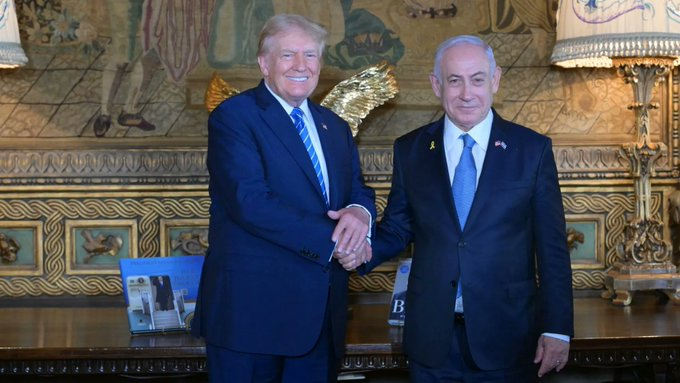
A Summit Without a Ceasefire?
The potential Washington summit comes amid a fragile ceasefire between Israel and Hezbollah that has been extended by three weeks but remains contested. Hezbollah has rejected the talks entirely, stating it is not bound by any agreements reached and calling the negotiations “futile.”
The Lebanese government is representing Lebanon in the negotiations, deliberately excluding Hezbollah from the process. Aoun has previously instructed Lebanese Ambassador to Washington Nada Hamadeh Moawad to seek a one-month extension of the 10-day ceasefire and a halt to attacks on civilians and infrastructure.
For Aoun, a meeting with Netanyahu would be a major diplomatic achievement, signaling that Lebanon is engaging directly with Israel despite Hezbollah’s objections. For Netanyahu, the optics are less clear; his critics may accuse him of legitimizing a government that cannot control Hezbollah, while his supporters may see it as a necessary step toward regional normalization.
The US Role
Washington has been actively mediating between Israel and Lebanon. The US hosted the first direct talks between the two countries in decades on April 14. Secretary of State Marco Rubio has been personally involved, and the White House has raised the prospect of a Netanyahu-Aoun summit.
President Trump has expressed interest in brokering a deal between Israel and Lebanon, viewing it as a potential foreign policy achievement. The administration has also been pressing for a broader normalization of relations between Israel and Arab states.
Security Conditions
The “regional security situation” is a significant condition. Netanyahu’s travel would require that the ceasefire with Hezbollah hold and that there be no imminent threat to Israeli territory. The prime minister’s security detail would also need assurances about transit routes and the safety of the venues.
If the summit proceeds, it would mark the first time an Israeli prime minister has met a Lebanese president on U.S. soil. The meeting would likely focus on ceasefire implementation, border delineation, and the possibility of future normalization — a word that has not been uttered in the context of Israel-Lebanon relations for decades.
What Comes Next
Whether the summit actually occurs depends on events over the next two weeks. The ceasefire is fragile, Hezbollah has not halted its rocket fire, and the Lebanese government has not demonstrated control over the group.
If the meeting does happen, it will be a major diplomatic event. If it is canceled, it will be another indication that the path to normalizing Israel-Lebanon relations remains blocked — by Hezbollah’s veto and Lebanon’s internal divisions.
Frequently Asked Questions (FAQs)
Q1: When is the potential Netanyahu-Aoun summit scheduled?
The meeting is planned for the week of May 11, 2026, in Washington, D.C.
Q2: Will the meeting definitely take place?
No. It depends on “the regional security situation” and whether Netanyahu can leave Israel.
Q3: Have Israeli and Lebanese leaders ever met before?
Direct meetings between Israeli prime ministers and Lebanese presidents are extremely rare. The two countries have no formal diplomatic relations and are technically in a state of war.
Q4: What is Hezbollah’s position?
Hezbollah has rejected the talks, stating it is not bound by any agreements reached and calling the negotiations “futile.”
Q5: Why would Aoun agree to meet Netanyahu?
A meeting with Netanyahu would be a major diplomatic achievement for Lebanon, signaling that the government is engaging directly with Israel despite Hezbollah’s objections.
Q6: What would they discuss?
Potential topics include ceasefire implementation, border delineation, prisoner exchanges, and possibly normalization of relations.
Stay informed with Reflecto News – Your trusted source for breaking diplomatic and geopolitical intelligence. Subscribe for real-time updates on the Israel-Lebanon peace process and Middle East diplomacy.
Questions people ask
What is China's current share of global manufacturing?
China now accounts for twenty eight percent of global manufacturing. This industrial output exceeds the combined manufacturing production of the United States, Japan, and Germany, making China the leading global industrial power according to recent reports.
Why were Andrew Tate and Tristan Tate arrested in Miami?
Andrew Tate and his brother Tristan Tate were taken into custody in Miami by the United States Marshals Service. They face thirty eight new charges in the United Kingdom, including rape and child pornography offences, and prosecutors are seeking their extradition.
What warning did Moscow issue about oil prices?
Kirill Dmitriev, the Chief Executive of the Russian Direct Investment Fund, warned that a tsunami of skyrocketing oil prices is approaching. Moscow describes this potential energy shock as a major threat to global markets.
What political shift is projected for Benjamin Netanyahu's coalition?
Political polls project that Prime Minister Benjamin Netanyahu's coalition is on track to lose its majority in the upcoming October election. This projection indicates a potential political shift in Jerusalem.
Why did a Russian military aircraft land in Tehran?
A Russian airborne command aircraft, widely known as a doomsday plane, landed in Tehran. The arrival of the aircraft represents a high stakes show of support from Russia for Iran during a period of heightened regional tensions.
What did President Masoud Pezeshkian claim about the United States and Israel?
Iranian President Masoud Pezeshkian claimed that the United States and Israel failed in a forty eight hour plan to topple the Iranian government. He made these statements during a televised address marking two years since his inauguration.