Reflecto News is an online news platform covering major international political events, global economic developments, and security conflicts. The site provides updates on topics such as Chinese manufacturing dominance, Middle Eastern political tensions, and high profile legal arrests. Readers can access current articles organized by categories like World News, Iran, and USA.
Published on Reflecto News | World News | Diplomacy & Geopolitics
Prime Minister Shehbaz Sharif held a 50-minute telephone conversation with Iranian President Masoud Pezeshkian on Sunday, underscoring Pakistan’s continued role as a mediator between Tehran and Washington even as direct US-Iran talks remain stalled. The call, confirmed by Pakistan’s Foreign Office, focused on regional developments and the state of bilateral relations .
The lengthy duration of the call — 50 minutes is unusually long for a routine diplomatic exchange — suggests that the two leaders discussed substantive issues rather than mere pleasantries. The conversation comes just days after Iranian Foreign Minister Abbas Araghchi visited Islamabad, met with Pakistani leadership, and departed without meeting with US representatives.
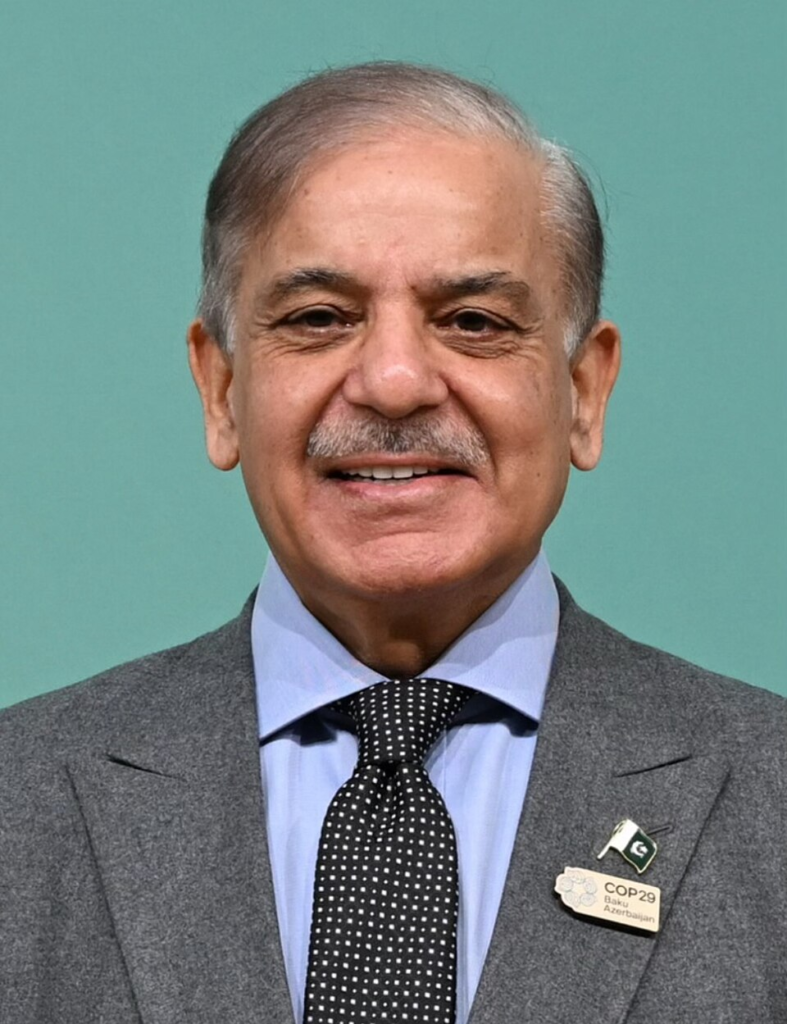
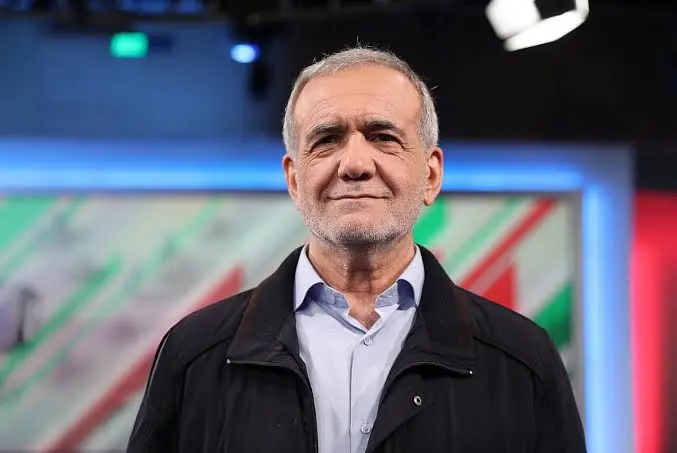
Pakistan’s Mediating Role
Pakistan has emerged as a central mediator in the US-Iran standoff, leveraging its unique position as a nation with ties to both Washington and Tehran. Army Chief General Asim Munir has been deeply involved in shuttling messages between the two capitals, and Prime Minister Sharif personally appealed to President Trump to extend the ceasefire.
The diplomatic architecture has shown mixed results:
Pakistan’s mediation achievements:
- Brokered the initial two-week ceasefire
- Secured indefinite extension of the truce
- Hosted first direct US-Iran talks since 1979
- Maintained communication channels despite stalemate
Unresolved issues:
- No second round of talks scheduled
- Iran refuses direct talks while US naval blockade remains
- US envoys remain in Miami; trip to Pakistan canceled
The Sharif-Pezeshkian call suggests that Pakistan is not giving up on its mediating role, even as the White House has shown frustration with the pace of diplomacy.
What Was Discussed
The official readout of the call, provided by Pakistan’s Foreign Office, was general in nature, stating that the two leaders “discussed bilateral relations and regional developments.” No specific outcomes were announced.
However, the timing of the call — immediately following Araghchi’s return from Islamabad and his subsequent travel to Oman and Russia — suggests that the conversation may have covered:
- Iran’s consultations with regional partners (Oman, Russia)
- The state of US-Iran indirect talks
- Pakistan’s continued mediation role
- The status of the ceasefire and the naval blockade
- Economic cooperation and energy trade
The 50-minute duration indicates that this was not a pro forma exchange.
The Broader Diplomatic Landscape
The Sharif-Pezeshkian call occurred against a complex diplomatic backdrop:
- US-Iran direct talks: Stalled; Iran refuses direct engagement while US naval blockade remains
- US envoy trip: Canceled; Witkoff and Kushner remain in Miami
- Araghchi regional tour: Islamabad → Muscat → Moscow
- Ceasefire: Extended indefinitely, but no permanent agreement
- Oman mediation: Potentially more promising than Pakistan track
Pakistan’s role remains relevant, but it is not the only game in town. Oman has a long history of US-Iran mediation, and Russia has offered to serve as a custodian for Iran’s enriched uranium. The Sharif-Pezeshkian call suggests that Islamabad is not being sidelined — but it is also not the sole channel.
What Comes Next
The 50-minute call does not guarantee a breakthrough. But it confirms that Pakistan remains engaged. Prime Minister Sharif is expected to continue consulting with both Washington and Tehran as the diplomatic process evolves.
The United States has not announced any new initiatives. Iran continues to consult with Oman and Russia. The ceasefire holds — but the diplomatic path to a permanent agreement remains unclear.
Frequently Asked Questions (FAQs)
Q1: How long did the phone call last?
The call between Prime Minister Shehbaz Sharif and Iranian President Masoud Pezeshkian lasted 50 minutes.
Q2: What did they discuss?
Pakistan’s Foreign Office stated that they discussed “bilateral relations and regional developments.” No specific outcomes were announced.
Q3: Is Pakistan still mediating between the US and Iran?
Yes. Pakistan continues to play a mediating role, though direct US-Iran talks have stalled and a planned US envoy trip was canceled.
Q4: What is the status of US-Iran negotiations?
The process is stalled. Iran refuses direct talks while the US naval blockade remains in place. The White House canceled a planned envoy trip to Pakistan.
Q5: Is the ceasefire still in effect?
Yes. President Trump extended the ceasefire at Pakistan’s request. It now has no fixed expiration date.
Q6: What is Iran’s diplomatic strategy?
Iran is consulting with multiple partners: Pakistan (mediator), Oman (backchannel), and Russia (nuclear custodian). Foreign Minister Araghchi completed visits to Islamabad and Muscat and will travel to Moscow.
Stay informed with Reflecto News – Your trusted source for breaking diplomatic and geopolitical intelligence. Subscribe for real-time updates on the US-Iran peace process, Pakistan’s mediating role, and regional security developments.
Questions people ask
What is China's current share of global manufacturing?
China now accounts for twenty eight percent of global manufacturing. This industrial output exceeds the combined manufacturing production of the United States, Japan, and Germany, making China the leading global industrial power according to recent reports.
Why were Andrew Tate and Tristan Tate arrested in Miami?
Andrew Tate and his brother Tristan Tate were taken into custody in Miami by the United States Marshals Service. They face thirty eight new charges in the United Kingdom, including rape and child pornography offences, and prosecutors are seeking their extradition.
What warning did Moscow issue about oil prices?
Kirill Dmitriev, the Chief Executive of the Russian Direct Investment Fund, warned that a tsunami of skyrocketing oil prices is approaching. Moscow describes this potential energy shock as a major threat to global markets.
What political shift is projected for Benjamin Netanyahu's coalition?
Political polls project that Prime Minister Benjamin Netanyahu's coalition is on track to lose its majority in the upcoming October election. This projection indicates a potential political shift in Jerusalem.
Why did a Russian military aircraft land in Tehran?
A Russian airborne command aircraft, widely known as a doomsday plane, landed in Tehran. The arrival of the aircraft represents a high stakes show of support from Russia for Iran during a period of heightened regional tensions.
What did President Masoud Pezeshkian claim about the United States and Israel?
Iranian President Masoud Pezeshkian claimed that the United States and Israel failed in a forty eight hour plan to topple the Iranian government. He made these statements during a televised address marking two years since his inauguration.