Reflecto News is an online news platform covering major international political events, global economic developments, and security conflicts. The site provides updates on topics such as Chinese manufacturing dominance, Middle Eastern political tensions, and high profile legal arrests. Readers can access current articles organized by categories like World News, Iran, and USA.
Reflecto News – April 8, 2026
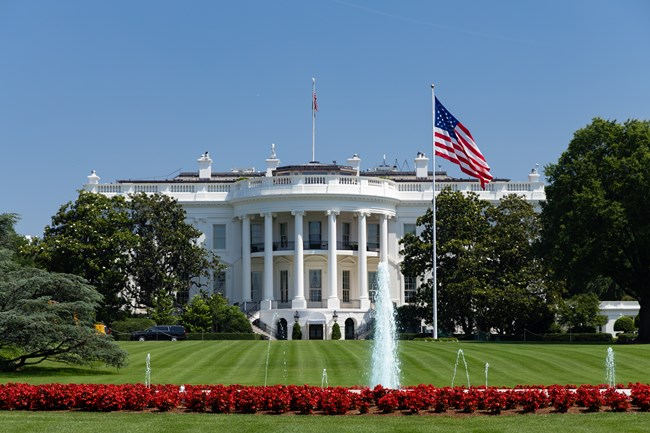
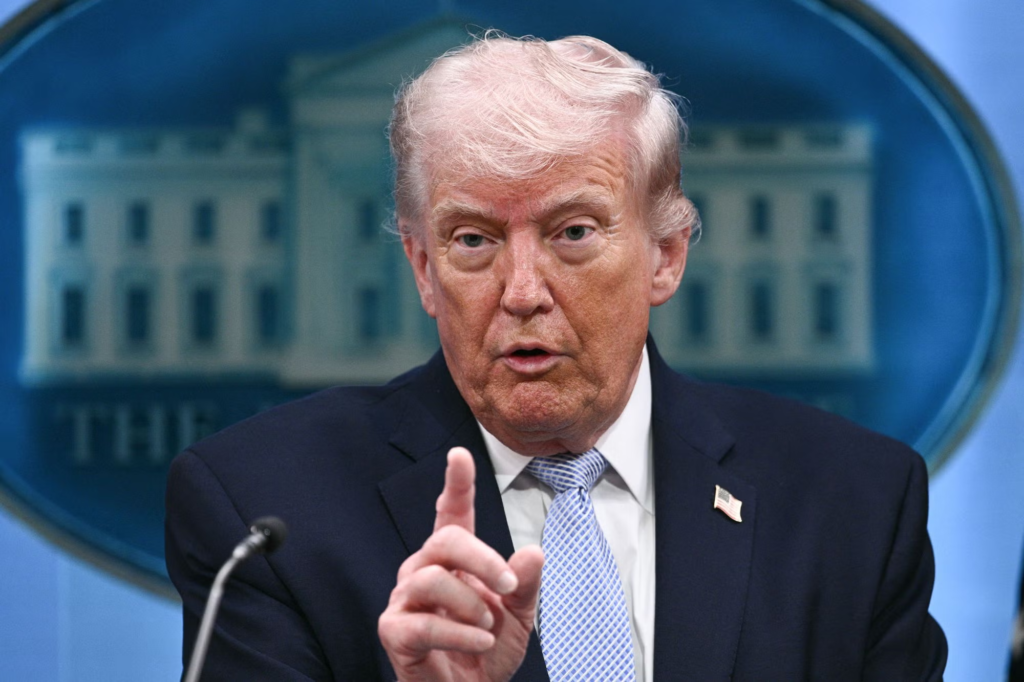
The White House announced today that President Donald Trump has been fully briefed on Pakistan’s latest diplomatic proposal concerning Iran and is preparing to issue a formal response. The development comes amid intense international efforts to de-escalate the six-week-old U.S.-Israel-Iran conflict and restore freedom of navigation through the Strait of Hormuz.
Prime Minister Shehbaz Sharif of Pakistan had publicly urged President Trump to extend the U.S. deadline by two weeks while simultaneously calling on Iran to temporarily reopen the critical waterway for the same period. The proposal aims to create a short confidence-building window for further negotiations.
White House Statement and Timing
White House officials confirmed the briefing late on April 7 or early April 8, stating that the president is now reviewing the Pakistani framework in coordination with senior advisors, including national security officials. A response is expected in the coming hours or days, though no specific timeline has been provided.
This follows the passage of Trump’s previous 8 p.m. ET deadline on April 7, after which limited Iranian restrictions on shipping continued. The administration has previously described similar proposals as “significant steps” but “not good enough” without verifiable action on reopening the strait.
Details of Pakistan’s Two-Week Proposal
Pakistan’s plan calls for a reciprocal two-week pause:
- The U.S. extends its deadline and holds off on further large-scale strikes.
- Iran opens the Strait of Hormuz to commercial shipping, including Qatari LNG and oil tankers, for the same period.
The initiative builds on earlier mediation involving Egypt and Turkey. It seeks to prevent immediate escalation while allowing time to address core issues such as sanctions relief, security guarantees, and long-term arrangements for the strait. Pakistani officials have been in continuous contact with both Washington and Tehran, with Sharif also briefing Saudi Crown Prince Mohammed bin Salman on the efforts.
Current Status of the Conflict and Diplomatic Landscape
The conflict, which began on February 28, 2026, with U.S. and Israeli strikes on Iranian targets, has seen repeated Iranian missile and drone responses, restrictions on Hormuz shipping, and damage to regional energy infrastructure. Israel has stated that a ceasefire remains premature and intends to maintain operations for at least another month.
Iran has rejected shorter-term proposals (such as a 45-day ceasefire) in favor of a permanent resolution with broader guarantees. However, an Iranian official recently indicated that the latest Pakistani framework is under “positive review,” offering a glimmer of diplomatic momentum.
Other key elements in the broader picture include:
- Exiled Crown Prince Reza Pahlavi’s calls for Iran’s armed forces to side with the people.
- The Vatican’s condemnation, via Pope Leo XIV, of threats against entire civilian populations.
- China and Russia’s veto of a UN Security Council resolution on the strait, citing concerns over escalation rhetoric.
Impact on Global LNG Markets
Disruptions in the Strait of Hormuz and damage to Qatar’s Ras Laffan LNG complex — the world’s largest — have significantly tightened global supplies. Analysts estimate losses of up to 35 million tons of LNG in 2026, with Qatar’s export capacity reduced by about 17% (roughly 12.8 million tons per annum) for 3–5 years due to strikes.
This has driven sharp price volatility:
- Asian spot prices have surged dramatically, affecting price-sensitive buyers in China, India, Japan, and South Korea.
- European markets face increased competition for alternative cargoes from the U.S. and elsewhere.
- A successful two-week reopening under the Pakistani proposal could allow some stranded cargoes to move, providing short-term relief and reducing immediate volatility.
Longer-term, the crisis is prompting buyers to accelerate diversification away from heavy reliance on Middle East LNG.
Potential Implications of Trump’s Response
A positive or flexible U.S. response could open the door to limited de-escalation and resumed energy flows. Conversely, a firm rejection or insistence on immediate full reopening might lead to renewed military pressure. Analysts note that Trump has extended deadlines in the past while maintaining strong leverage.
The coming response will be closely watched by Gulf states, energy markets, and international mediators for signals on whether a short-term off-ramp is possible or if sustained operations will continue.
FAQs on the White House Briefing and Pakistan’s Proposal
Q1: What is Pakistan specifically proposing?
A two-week extension of the U.S. deadline paired with Iran temporarily reopening the Strait of Hormuz to commercial shipping as a reciprocal confidence-building measure.
Q2: Has President Trump responded yet?
No. The White House has confirmed he has been briefed and will issue a response, but no details on the content or timing have been released.
Q3: How does this fit with previous ceasefire efforts?
It builds on earlier Pakistani, Egyptian, and Turkish mediation. Iran rejected a 45-day proposal but indicated positive review of this latest reciprocal two-week idea.
Q4: What is the current status of the Strait of Hormuz?
Iran continues to impose restrictions, severely limiting traffic and contributing to global energy price spikes and LNG supply shortages.
Q5: Could this proposal lead to a full ceasefire?
It is designed as a short-term pause rather than a permanent end. Success could create space for broader talks on sanctions, security, and navigation guarantees.
Q6: How are energy markets reacting?
Global LNG prices remain volatile due to Qatari production damage and the Hormuz blockade. A temporary reopening could ease immediate pressures, though long-term supply concerns persist.
Reflecto News will provide immediate updates once the White House issues President Trump’s response, along with any reactions from Iran, Israel, or other parties.
Stay informed with Reflecto News – Delivering accurate, timely, and comprehensive coverage of breaking diplomatic developments, the U.S.-Iran conflict, and their global economic impacts.
Questions people ask
What is China's current share of global manufacturing?
China now accounts for twenty eight percent of global manufacturing. This industrial output exceeds the combined manufacturing production of the United States, Japan, and Germany, making China the leading global industrial power according to recent reports.
Why were Andrew Tate and Tristan Tate arrested in Miami?
Andrew Tate and his brother Tristan Tate were taken into custody in Miami by the United States Marshals Service. They face thirty eight new charges in the United Kingdom, including rape and child pornography offences, and prosecutors are seeking their extradition.
What warning did Moscow issue about oil prices?
Kirill Dmitriev, the Chief Executive of the Russian Direct Investment Fund, warned that a tsunami of skyrocketing oil prices is approaching. Moscow describes this potential energy shock as a major threat to global markets.
What political shift is projected for Benjamin Netanyahu's coalition?
Political polls project that Prime Minister Benjamin Netanyahu's coalition is on track to lose its majority in the upcoming October election. This projection indicates a potential political shift in Jerusalem.
Why did a Russian military aircraft land in Tehran?
A Russian airborne command aircraft, widely known as a doomsday plane, landed in Tehran. The arrival of the aircraft represents a high stakes show of support from Russia for Iran during a period of heightened regional tensions.
What did President Masoud Pezeshkian claim about the United States and Israel?
Iranian President Masoud Pezeshkian claimed that the United States and Israel failed in a forty eight hour plan to topple the Iranian government. He made these statements during a televised address marking two years since his inauguration.