JUST IN: China has strongly criticized the United States and Israel, declaring that their “illegal military operations” against Iran are the primary cause of disruptions in the Strait of Hormuz and warning that continued aggression will only worsen the crisis for global energy markets and international shipping.
By Reflecto News Staff
April 2, 2026
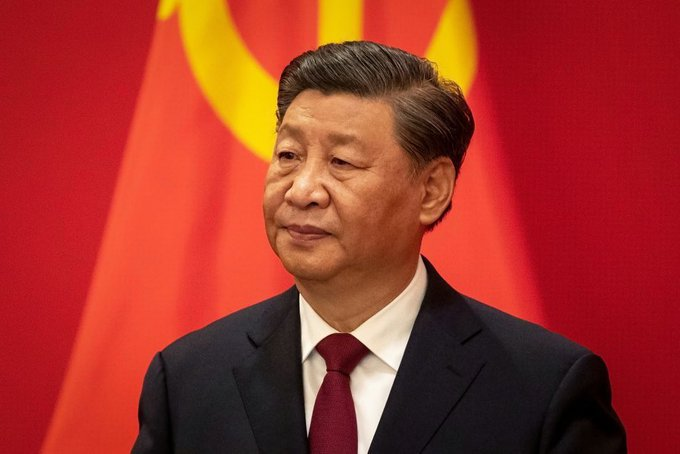
BEIJING – The Chinese Foreign Ministry spokesperson has directly attributed the severe restrictions on navigation in the Strait of Hormuz to the ongoing US-Israeli Operation Epic Fury, describing the campaign as “illegal” and the root cause of the current instability in one of the world’s most critical energy chokepoints.
“Illegal US-Israeli military operations against Iran are the fundamental reason for the current disruptions in the Strait of Hormuz,” the spokesperson said, adding that any attempts to shift blame onto Iran ignore the reality of sustained airstrikes, infrastructure damage, and escalating tensions.
China’s Position in Detail
Beijing’s statement emphasizes several key points:
- The US-Israeli campaign, launched on February 28, 2026, has triggered Iranian defensive measures, including the selective “toll booth” system enforced by the IRGC.
- Continued military pressure risks further instability, higher global energy prices, and threats to international shipping.
- China calls for an immediate cessation of hostilities and a return to dialogue, urging all parties to respect freedom of navigation while addressing underlying security concerns.
- Beijing has previously supported diplomatic initiatives, including indirect mediation efforts, and has expressed willingness to work with other nations to stabilize the situation.
This marks one of China’s strongest public criticisms of the operation to date, reflecting its strategic interests as Iran’s largest oil customer and a major player in global energy markets.
Context Within the Ongoing Conflict
China’s remarks come amid:
- President Donald Trump’s vow to intensify strikes on Iran “extremely hard” over the next 2–3 weeks, claiming core objectives are nearing completion.
- Significant damage to Iranian infrastructure, including the complete shutdown of Mobarakeh Steel Company’s production lines and the collapse of the B1 Bridge in Karaj.
- Iran’s continued enforcement of its selective transit system in the Strait of Hormuz, where approved vessels pay fees (often in yuan or stablecoins) and receive escorts.
- Recent asymmetric actions, such as the IRGC’s claimed attack on an Amazon cloud center in Bahrain.
- The redeployment of the USS Gerald R. Ford supercarrier to the region to bolster U.S. naval airpower.
Meanwhile, diplomatic efforts continue:
- The UK is hosting a virtual meeting of around 35 countries to discuss reopening the strait.
- Germany has urged China to use its influence to push Iran toward negotiations.
- Iran and Oman are drafting a joint protocol for coordinated safe navigation.
Economic and Global Impact
Disruptions in the Strait of Hormuz — which normally carries about 20–21% of global oil and significant LNG — have already driven sharp increases in oil prices, with Brent crude surging 6% in recent sessions. China, as a major importer of Iranian and Gulf oil, has a direct stake in restoring stable flows and has consistently opposed unilateral military actions that threaten energy security.
Gulf states have responded by maximizing bypass pipelines (Saudi Arabia’s East-West Pipeline and the UAE’s Habshan–Fujairah route), but these provide only partial relief.
Reactions
Chinese Side: Beijing positions itself as a responsible stakeholder advocating for de-escalation and multilateral solutions, while protecting its economic interests.
U.S. and Israeli Side: Washington is likely to reject the characterization, maintaining that Iranian aggression and proxy activities necessitated the campaign and that safe navigation will resume once Iranian threats are neutralized.
Iranian Side: Tehran is expected to welcome China’s support, using it to reinforce its narrative that external aggression, not Iranian actions, is responsible for the crisis. President Masoud Pezeshkian continues to stress that Iran harbors “no enmity towards ordinary Americans.”
International Community: The statement adds weight to calls for diplomacy ahead of the UK-led meeting, though it also highlights deepening divisions among major powers.
Looking Ahead
China’s firm stance may encourage further back-channel efforts or complicate U.S. military planning. Whether it leads to meaningful pressure on Iran to negotiate or simply hardens positions will depend on developments in the coming weeks of intensified operations.
The redeployment of the USS Gerald R. Ford and ongoing strikes will test whether military pressure or diplomatic initiatives — including those involving China — ultimately determine the future of the Strait of Hormuz and the broader conflict.
Reflecto News will monitor any responses from Washington, Tehran, or other parties, outcomes from the UK-hosted meeting, and further impacts on global energy markets.
Related Coverage on Reflecto News:
- President Trump Vows to Hit Iran “Extremely Hard” Over Next 2–3 Weeks
- Mobarakeh Steel Company Shuts Down All Production Lines
- UK Hosts Meeting of 35 Countries on Reopening Strait of Hormuz
- Germany Urges China to Push Iran Toward Negotiations
- USS Gerald R. Ford Redeployed to Iran War Zone
- IRGC Claims Responsibility for Attack on Amazon Cloud Center in Bahrain
This report is based on official statements from the Chinese Foreign Ministry and cross-verified international reporting.