Reflecto News is an online news platform covering major international political events, global economic developments, and security conflicts. The site provides updates on topics such as Chinese manufacturing dominance, Middle Eastern political tensions, and high profile legal arrests. Readers can access current articles organized by categories like World News, Iran, and USA.
The United Kingdom is deploying its Rapid Sentry ground-based air defense system to Kuwait, along with supporting personnel, to bolster defenses against Iranian missile and drone attacks. The move aims to safeguard British and Kuwaiti interests in the Gulf amid escalating regional conflict and recent strikes on Kuwaiti infrastructure.
By Reflecto News Desk
April 3, 2026 | London / Kuwait City
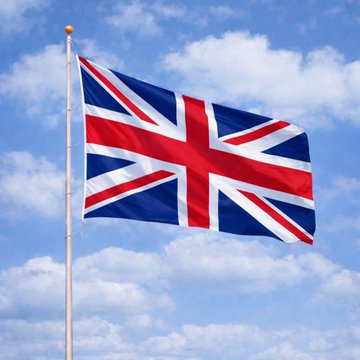
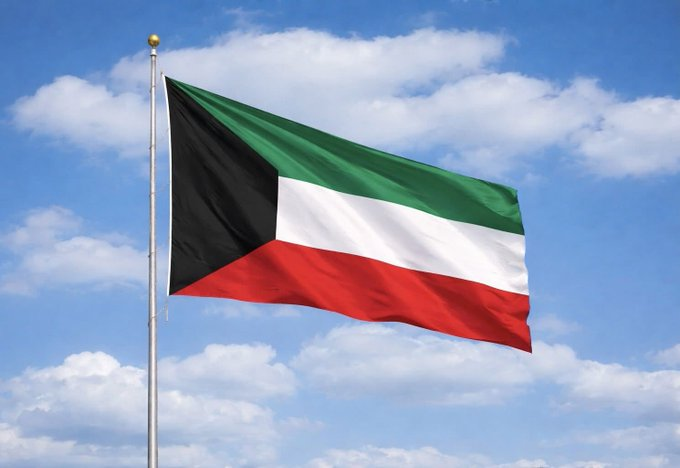
UK Prime Minister Keir Starmer’s office confirmed the deployment following a phone call with Kuwait’s Crown Prince Sheikh Meshal al-Ahmad al-Sabah. The announcement comes shortly after an Iranian strike damaged a key water desalination facility in Kuwait, highlighting the growing threat to critical infrastructure.
Rapid Sentry, a counter-drone and short-range air defense system operated by the RAF Regiment, is already arriving or operational in Kuwait. It joins other UK contributions, including the ORCUS counter-drone system, as part of a broader reinforcement of Gulf air defenses. British troops will assist with installation, training, and operation of the systems.
This deployment is part of a wider UK effort that includes:
- Sky Sabre air defense system to Saudi Arabia
- Lightweight Multirole Missile launcher to Bahrain
- Extension of Typhoon jet operations in Qatar
The total number of UK personnel supporting Gulf and Cyprus defense is expected to reach around 1,000.
Background and Recent Triggers
The decision follows repeated Iranian attacks on Gulf targets, including:
- Damage to the UAE’s Habshan gas facility from debris of intercepted strikes
- A strike on a Kuwaiti power and water desalination plant that killed at least one Indian worker
The UK has emphasized that these measures are defensive and intended to protect allies and British interests without direct offensive involvement. Defence Secretary John Healey made the announcements during a visit to Saudi Arabia, Qatar, and Bahrain.
Broader Regional Context
The deployments occur as the U.S.-Israeli conflict with Iran enters its second month:
- Iran’s IRGC continues to issue “warnings” of stronger, wider attacks on Gulf facilities and has threatened more destructive blows.
- The Strait of Hormuz remains heavily disrupted, severely limiting oil and LNG flows (pre-war: ~20.3 million barrels of oil/petroleum products and ~290 million cubic meters of LNG daily, with over 80% destined for Asia).
- China is reselling record amounts of LNG to support affected Asian buyers.
- Selective transits, such as a recent French-linked vessel, have tested limited resumption of shipping.
- Diplomatic efforts continue, with Russian President Putin pledging to do “whatever is necessary” for peace after talks with Saudi leadership.
Implications
The UK’s enhanced presence strengthens collective Gulf air defenses but also risks drawing London deeper into the conflict dynamics. It reflects growing Western and allied support for protecting energy infrastructure and trade routes vital to the global economy.
Kuwaiti officials have welcomed the assistance, while Iranian responses remain to be seen.
Reflecto News will continue monitoring UK military deployments in the Gulf, any Iranian reactions, further attacks on regional infrastructure, and developments affecting the Strait of Hormuz and global energy markets.
Sources: UK Ministry of Defence, Downing Street statements, Reuters, BBC, Gulf News, Anadolu Agency, and Kuwaiti reporting as of April 3, 2026. The situation in the region remains highly fluid.
Questions people ask
What is China's current share of global manufacturing?
China now accounts for twenty eight percent of global manufacturing. This industrial output exceeds the combined manufacturing production of the United States, Japan, and Germany, making China the leading global industrial power according to recent reports.
Why were Andrew Tate and Tristan Tate arrested in Miami?
Andrew Tate and his brother Tristan Tate were taken into custody in Miami by the United States Marshals Service. They face thirty eight new charges in the United Kingdom, including rape and child pornography offences, and prosecutors are seeking their extradition.
What warning did Moscow issue about oil prices?
Kirill Dmitriev, the Chief Executive of the Russian Direct Investment Fund, warned that a tsunami of skyrocketing oil prices is approaching. Moscow describes this potential energy shock as a major threat to global markets.
What political shift is projected for Benjamin Netanyahu's coalition?
Political polls project that Prime Minister Benjamin Netanyahu's coalition is on track to lose its majority in the upcoming October election. This projection indicates a potential political shift in Jerusalem.
Why did a Russian military aircraft land in Tehran?
A Russian airborne command aircraft, widely known as a doomsday plane, landed in Tehran. The arrival of the aircraft represents a high stakes show of support from Russia for Iran during a period of heightened regional tensions.
What did President Masoud Pezeshkian claim about the United States and Israel?
Iranian President Masoud Pezeshkian claimed that the United States and Israel failed in a forty eight hour plan to topple the Iranian government. He made these statements during a televised address marking two years since his inauguration.