In a high-profile op-ed published in Foreign Affairs, Iran’s former top diplomat Mohammad Javad Zarif has called on Tehran to leverage what he describes as its current “upper hand” in the conflict by declaring victory and pursuing a comprehensive deal to end the war. Zarif argues that continuing the fight would only cause further destruction of civilian lives and infrastructure, while a negotiated settlement could secure Iran’s interests and prevent future wars.
By Reflecto News Desk
April 3, 2026 | Tehran / Washington
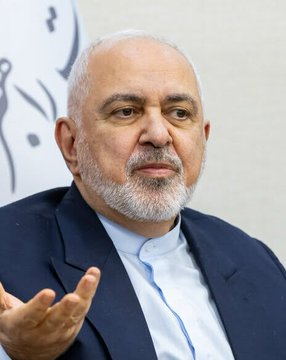
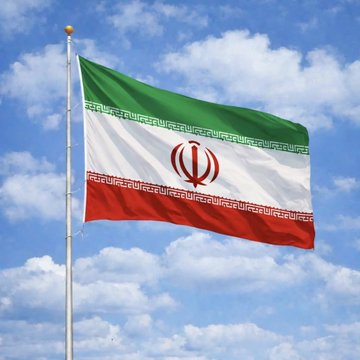
Zarif, who served as Iran’s Foreign Minister from 2013 to 2021 and played a key role in the 2015 nuclear deal, made the remarks in an article titled “How Iran Should End the War.” He claims Iran has achieved a “historic feat of resistance” against U.S. and Israeli strikes, but warns that prolonging the conflict for psychological satisfaction would lead to unnecessary losses.
“Iran should use its upper hand not to keep fighting but to declare victory and make a deal that both ends this conflict and prevents the next one,” Zarif wrote.
He proposes that Iran offer limits on its nuclear program and reopen the Strait of Hormuz in exchange for the lifting of all sanctions and a possible mutual non-aggression pact with the United States. Zarif emphasized that such a deal would be consistent with Iran’s national interests while avoiding further escalation.
Zarif’s Proposed Roadmap
- Declare Victory: Publicly frame Iran’s resilience and successful resistance as a strategic success.
- Negotiated Settlement: Engage in talks that include curbing nuclear activities, restoring safe passage through the Strait of Hormuz, and securing sanctions relief.
- Prevent Future Conflict: Aim for a broader agreement that reduces the risk of renewed hostilities.
Zarif is one of the first prominent Iranian figures to publicly advocate for ending the war rather than continuing until a decisive defeat of the adversaries. Iranian military and political leaders, including IRGC spokespersons, have repeatedly signaled readiness for stronger retaliation and claimed vast unreachable capabilities.
Ongoing Conflict and Energy Impact
The call comes as the U.S.-Israeli campaign against Iran enters its sixth week, with no signs of regime collapse according to U.S. intelligence assessments. Recent developments include:
- Iranian strikes on Gulf infrastructure, such as damage to Kuwait’s water desalination facility and the UAE’s Habshan gas plant from debris of intercepted attacks.
- UK deployment of air defense systems to Kuwait to protect interests in the region.
- Selective commercial transits, including a French-linked vessel successfully crossing the Strait of Hormuz.
- Russia’s Foreign Minister Sergey Lavrov warning of internal crises in NATO and the EU amid the strains.
The Strait of Hormuz remains heavily disrupted, severely limiting pre-war daily flows of ~20.3 million barrels of oil/petroleum products and ~290 million cubic meters of LNG (with over 80% destined for Asia). China continues reselling record volumes of LNG to support affected Asian buyers.
Reactions and Outlook
Zarif’s intervention has drawn attention as a moderate voice within Iran’s establishment, though he currently holds no official position. Iranian hardliners and military officials continue to project defiance, with claims that 7 million volunteers are ready to join the fight if needed.
Whether Tehran will heed Zarif’s advice or maintain its current stance of resistance remains uncertain. Diplomatic backchannels, including potential involvement through Pakistan or Russia’s offers to mediate peace, could gain momentum if Iran signals openness to talks.
Reflecto News will continue monitoring any official Iranian response to Zarif’s proposal, reactions from the U.S., Israel, and Gulf states, further military developments, and the evolving situation in the Strait of Hormuz.
Sources: Foreign Affairs op-ed (April 2–3, 2026), Agence France-Presse, Al-Monitor, Straits Times, Reuters, Al Jazeera, and regional reporting as of April 3, 2026. The conflict remains highly dynamic.