JUST IN: British Prime Minister Keir Starmer has confirmed that the United Kingdom will convene a virtual meeting of around 35 countries this week — with Foreign Secretary Yvette Cooper chairing the discussions — to explore diplomatic, political, and practical measures for restoring freedom of navigation in the Strait of Hormuz, which has been severely disrupted by Iran’s selective transit system and the ongoing US-Israeli Operation Epic Fury.
By Reflecto News Staff
April 2, 2026
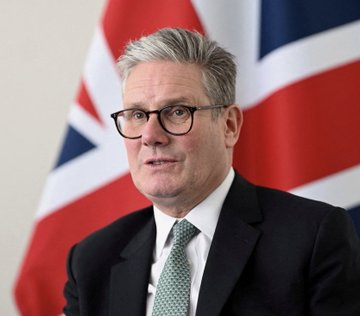
LONDON – The United Kingdom is taking a leading role in international efforts to address the crisis in the Strait of Hormuz. Prime Minister Keir Starmer announced on April 1 that Foreign Secretary Yvette Cooper will host a virtual gathering of approximately 35 nations, expected to take place as early as Thursday, to assess ways to reopen the vital waterway once fighting subsides and to protect international shipping.
Starmer described the meeting as building on a joint “statement of intent” already signed by more than 30 countries, including Britain, France, Germany, Italy, Japan, the Netherlands, Canada, Australia, the United Arab Emirates, and others. He acknowledged that reopening the strait “will not be easy” but stressed its importance for global energy security and the cost of living in Britain and worldwide.
Objectives of the UK-Led Meeting
According to UK officials and reporting, the discussions will focus on:
- Developing a viable, collective plan for safe maritime passage once major combat operations wind down.
- Coordinating political and diplomatic pressure to end Iran’s de facto restrictions.
- Exploring practical measures such as minesweeping, naval escorts, or security corridors to reassure merchant shipping.
- Addressing the protection of trapped vessels and crews currently affected by the disruptions.
The meeting is framed as primarily diplomatic and political rather than military, with the UK emphasizing it does not intend to be drawn directly into the conflict. Defense chiefs have been involved in preparatory talks, including potential use of minesweeping drones and other non-combat assets.
Why the Strait of Hormuz Remains Critical
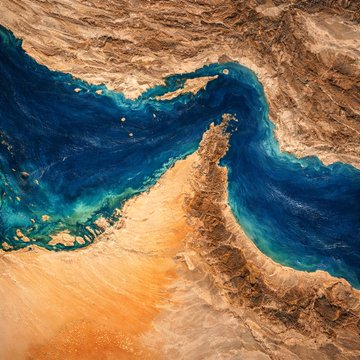
The narrow waterway between Iran and Oman handles roughly 20–21% of global oil consumption and significant volumes of liquefied natural gas. Since the intensification of Operation Epic Fury in late February 2026:
- Iran has implemented a selective “toll booth” system, requiring vessels to submit ownership, cargo, and crew details to IRGC-linked intermediaries, undergo geopolitical vetting, pay fees (often in Chinese yuan or stablecoins), and in some cases temporarily reflag to friendly nations like Pakistan.
- Approved ships receive permits and naval escorts, while others face threats or are turned back.
- Commercial traffic has plummeted, with many vessels rerouted around Africa or delayed, driving sharp increases in global energy prices (Brent crude recently surged 6% following President Trump’s latest remarks).
Gulf states have responded by maximizing bypass pipelines — Saudi Arabia’s East-West Pipeline and the UAE’s Habshan–Fujairah route — but these provide only partial relief and cannot fully replace Hormuz volumes.
Current Geopolitical Backdrop
The UK initiative occurs against a backdrop of heightened tensions:
- President Donald Trump has vowed to “hit Iran extremely hard” over the next 2–3 weeks and “finish the job,” claiming core objectives are nearing completion while suggesting the strait will eventually “open up naturally.”
- Iranian officials, including Foreign Minister Abbas Araghchi, have rejected ultimatums, denied serious ceasefire talks, and warned that threats will not work. President Masoud Pezeshkian has appealed directly to ordinary Americans, stating Iran harbors “no enmity” toward them.
- Russia has claimed the U.S. is unable to forcibly reopen the strait despite its military power.
- U.S. intelligence assesses Iran is not currently willing to engage in substantive negotiations.
Challenges Ahead
UK officials and analysts have cautioned that reopening the strait safely will require:
- An eventual reduction in hostilities or a political understanding with Iran.
- Clearance of potential mines, drone threats, and fast-attack boat risks.
- International naval coordination without triggering further escalation.
- Guarantees for merchant shipping to resume normal operations.
The virtual format allows broad participation but limits deeper operational planning, which may occur in parallel among defense officials.
Reactions
Gulf and European Partners: Many signatories to the joint statement welcome the UK’s leadership, viewing it as a constructive multilateral step amid economic fallout.
United States: Washington has expressed support for efforts to secure the waterway but continues to prioritize its military campaign, with Trump indicating the U.S. will not bear primary responsibility for reopening the strait.
Iran: Tehran is expected to criticize the meeting as interference in regional affairs while maintaining its defensive posture.
Global Markets: Oil prices remain volatile, with bypass pipelines and diplomatic initiatives offering some hope for stabilization but no immediate resolution.
Looking Ahead
The outcomes of Thursday’s virtual meeting could shape the next phase of diplomacy, potentially paving the way for coordinated naval or security measures once conditions allow. Success will depend on whether military developments under Operation Epic Fury create space for de-escalation or if intensified strikes prolong the disruptions.
As Gulf states accelerate pipeline alternatives and global energy costs rise, the UK-led effort represents one of the most significant multilateral attempts yet to mitigate the economic shock of the conflict.
Reflecto News will provide updates on the meeting’s agenda, key outcomes, participating nations’ positions, and any responses from Tehran or Washington.
Related Coverage on Reflecto News:
- President Trump Vows to Hit Iran “Extremely Hard” Over Next 2–3 Weeks
- Brent Crude Oil Prices Surge 6% Amid Escalating Rhetoric
- Gulf States Ramp Up Pipeline Routes to Bypass Strait of Hormuz
- Russia Claims US Unable to Reopen Strait of Hormuz
- Iran’s “Toll Booth” Regime in the Strait of Hormuz
- Operation Epic Fury: Latest Strikes and Developments
This report is based on statements from Prime Minister Keir Starmer, UK government announcements, and international coverage of the ongoing crisis in the Strait of Hormuz.