Reflecto News is an online news platform covering major international political events, global economic developments, and security conflicts. The site provides updates on topics such as Chinese manufacturing dominance, Middle Eastern political tensions, and high profile legal arrests. Readers can access current articles organized by categories like World News, Iran, and USA.
Operations at one of Abu Dhabi’s largest natural gas processing facilities have been temporarily halted after a fire broke out due to falling debris from UAE air defenses intercepting an incoming Iranian missile or drone attack. No injuries were reported, but the incident marks the second time Habshan operations have been disrupted since the U.S.-Israeli war with Iran began.
By Reflecto News Desk
April 3, 2026 | Abu Dhabi
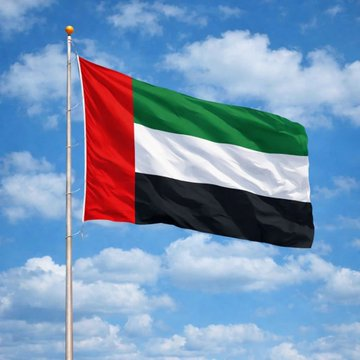
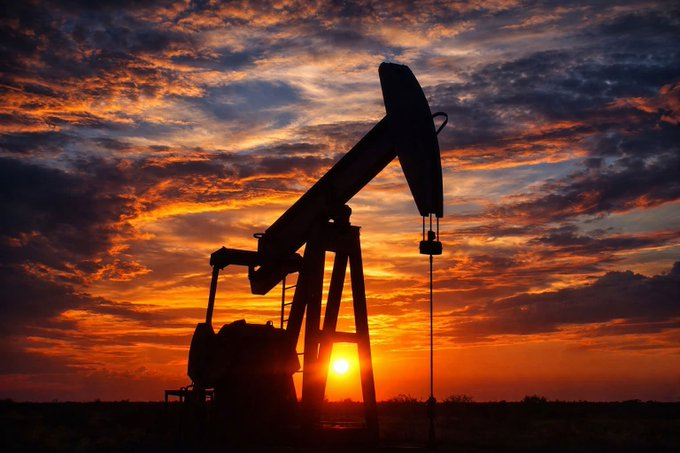
The Abu Dhabi Media Office confirmed that authorities responded to an incident of falling debris at the Habshan gas facilities after successful interceptions by UAE air defense systems. A fire was sparked by the debris, prompting the immediate suspension of operations while emergency teams contained the blaze. The facility has since been secured, with no casualties reported.
Habshan is a critical component of the UAE’s energy infrastructure, processing significant volumes of natural gas and feeding into the country’s export and domestic supply chains. This is the second disruption at the site since the conflict escalated in late February 2026.
Context of the Incident
The event occurred amid a fresh wave of Iranian missile and drone attacks targeting Gulf infrastructure. The IRGC has described recent strikes on facilities in Saudi Arabia, the UAE, Bahrain, Qatar, and Kuwait as “warnings,” threatening stronger retaliation if U.S. and Israeli operations continue.
UAE air defenses, supported by advanced systems including Patriot and THAAD batteries, successfully intercepted the incoming threats. However, debris from the interceptions caused the fire at Habshan, highlighting the risks even successful defenses pose to nearby energy sites.
This latest incident adds to growing concerns over the safety of Gulf energy infrastructure as the conflict enters its sixth week.
Impact on Energy Markets and Regional Security
- Energy Supply: Temporary suspension at Habshan could affect local gas processing and contribute to short-term volatility, though the UAE maintains robust redundancy and reserves.
- Strait of Hormuz: The waterway remains heavily disrupted, with pre-war daily flows of ~20.3 million barrels of oil/petroleum products and ~290 million cubic meters of LNG (over 80% destined for Asia) severely curtailed. China continues reselling record LNG volumes (1.31 million metric tons year-to-date) to support Asian buyers facing shortages.
- Diplomatic Ripple: The attack comes as France-linked vessels have begun testing selective transits, and leaders like French President Macron have called large-scale military operations to reopen the strait “unrealistic.” Russia has offered to do “whatever is necessary” for regional peace following high-level calls with Saudi Arabia.
Iran’s Parliament Speaker recently claimed 7 million volunteers are ready to defend the country, while the IRGC continues to warn of escalating responses.
Outlook
UAE authorities have not specified how long operations at Habshan will remain suspended, but similar past incidents were resolved relatively quickly. The event underscores the vulnerability of energy infrastructure to collateral effects of aerial defenses during the conflict.
No immediate claims of direct targeting of Habshan by Iran have been confirmed, but the pattern of strikes on Gulf energy sites has raised fears of broader economic and security fallout.
Reflecto News will continue monitoring the situation at Habshan, any official updates from the UAE, further Iranian statements, and impacts on regional energy security and the Strait of Hormuz.
Sources: Abu Dhabi Media Office, Bloomberg, The National, Reuters, Al Arabiya, and other Gulf reporting as of April 3, 2026. The situation remains fluid.
Questions people ask
What is China's current share of global manufacturing?
China now accounts for twenty eight percent of global manufacturing. This industrial output exceeds the combined manufacturing production of the United States, Japan, and Germany, making China the leading global industrial power according to recent reports.
Why were Andrew Tate and Tristan Tate arrested in Miami?
Andrew Tate and his brother Tristan Tate were taken into custody in Miami by the United States Marshals Service. They face thirty eight new charges in the United Kingdom, including rape and child pornography offences, and prosecutors are seeking their extradition.
What warning did Moscow issue about oil prices?
Kirill Dmitriev, the Chief Executive of the Russian Direct Investment Fund, warned that a tsunami of skyrocketing oil prices is approaching. Moscow describes this potential energy shock as a major threat to global markets.
What political shift is projected for Benjamin Netanyahu's coalition?
Political polls project that Prime Minister Benjamin Netanyahu's coalition is on track to lose its majority in the upcoming October election. This projection indicates a potential political shift in Jerusalem.
Why did a Russian military aircraft land in Tehran?
A Russian airborne command aircraft, widely known as a doomsday plane, landed in Tehran. The arrival of the aircraft represents a high stakes show of support from Russia for Iran during a period of heightened regional tensions.
What did President Masoud Pezeshkian claim about the United States and Israel?
Iranian President Masoud Pezeshkian claimed that the United States and Israel failed in a forty eight hour plan to topple the Iranian government. He made these statements during a televised address marking two years since his inauguration.