Reflecto News is an online news platform covering major international political events, global economic developments, and security conflicts. The site provides updates on topics such as Chinese manufacturing dominance, Middle Eastern political tensions, and high profile legal arrests. Readers can access current articles organized by categories like World News, Iran, and USA.
President Grapples with Human Cost of Ground Operation on Strategic Oil Export Hub, Despite Military Assurances of Success, as US-Iran Ceasefire Talks Continue
By Reflecto News Staff
April 19, 2026
President Donald Trump is privately wrestling with the risks of sending American troops into combat during the ongoing Iran conflict, particularly rejecting proposals to seize Kharg Island — Iran’s critical oil export terminal — over concerns that U.S. forces would face unacceptable casualties.
According to sources familiar with internal deliberations reported by The Wall Street Journal, Trump has resisted plans for a ground operation on the island despite assurances from military planners that it could succeed. He reportedly warned that troops would become “sitting ducks” in a vulnerable position close to the Iranian mainland.
The president has expressed deep unease about the possibility that some soldiers “won’t return,” highlighting the human toll of escalation even as the administration maintains a naval blockade and pursues diplomatic talks with Iran.
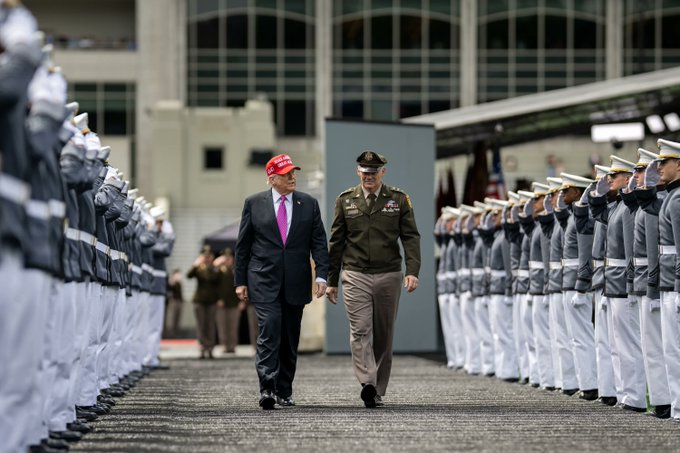
President Donald Trump has repeatedly emphasized minimizing unnecessary risks to American service members in foreign conflicts.
Kharg Island: Strategic Importance and Risks
Kharg Island, a small but vital outpost in the Persian Gulf, serves as the primary hub for roughly 90% of Iran’s crude oil exports. Control or sustained disruption of the island could severely impact Tehran’s oil revenues and leverage in the Strait of Hormuz, a global chokepoint for energy shipments.
The U.S. has already conducted airstrikes on military targets on the island earlier in the conflict, but a full ground seizure would represent a significant escalation requiring boots on the ground. Military officials reportedly presented options for a limited operation, arguing it could provide decisive pressure to reopen shipping lanes and force concessions in nuclear and regional security talks.
However, Trump has pushed back strongly, citing the proximity to Iranian coastal defenses, potential for missile and drone attacks, and the danger of prolonged exposure for U.S. forces. Sources described internal meetings where the president voiced frustration over casualty projections and the broader human and political costs of deeper involvement.
This stance aligns with Trump’s long-standing emphasis on avoiding protracted ground wars and “endless conflicts,” even while maintaining a tough posture through air and naval power.
Broader Context of US-Iran Dynamics
The internal debate occurs as the fragile US-brokered ceasefire with Iran faces scrutiny, with Trump recently describing talks as “very good” and accusing Iran of attempting to restrict the Strait of Hormuz again. The naval blockade remains in place, and limited commercial tanker transits (such as the Pakistan-flagged Shalamar) have resumed.
Parallel tensions persist in Lebanon, where the IDF has been placed on maximum alert amid fears of ceasefire collapse and has accused Hezbollah of violations. Trump has continued to praise Israel as a “GREAT Ally” that “knows how to WIN,” reinforcing strong bilateral ties.
The Kharg Island discussions reflect the administration’s balancing act: applying maximum pressure on Iran while avoiding actions that could lead to large-scale American losses or wider regional war.
Frequently Asked Questions (FAQs)
Q1: What is Kharg Island and why is it strategically important?
A: Kharg Island is Iran’s main oil export terminal in the Persian Gulf, handling the majority of the country’s crude shipments. Seizing or controlling it could significantly disrupt Iran’s economy and energy leverage.
Q2: Why has Trump resisted seizing Kharg Island?
A: According to reports, he fears high U.S. casualties, describing troops as potential “sitting ducks” due to the island’s vulnerability to Iranian attacks from the mainland.
Q3: Has the U.S. already struck Kharg Island?
A: Yes. The U.S. has conducted airstrikes on military targets there, but avoided oil infrastructure and has not pursued a full ground operation.
Q4: How does this fit with current ceasefire talks?
A: Trump has expressed optimism about ongoing negotiations with Iran while maintaining the naval blockade as leverage. Rejecting a high-risk ground seizure suggests a preference for diplomacy and air/naval pressure over large-scale troop deployments.
Q5: What are the risks of a ground operation on Kharg Island?
A: Experts and officials cite exposure to Iranian missiles, drones, and coastal defenses, potential for prolonged fighting, and significant American casualties that could escalate the conflict.
Q6: Does this indicate a shift in Trump’s Iran policy?
A: It highlights caution on ground operations while sustaining other forms of pressure. The administration continues to balance military resolve with efforts to reach a “good deal” that includes Iran abandoning nuclear weapons ambitions.
Reflecto News Analysis
President Trump’s private resistance to seizing Kharg Island reveals a calculated restraint rooted in concern for American lives, even as his administration projects strength through airstrikes, a naval blockade, and strong support for Israel. The reported warning that troops would be “sitting ducks” underscores the high stakes of any ground incursion near Iran’s coast and the president’s aversion to operations likely to produce significant casualties.
This internal grappling comes at a delicate moment: fragile ceasefires in both the Iran and Lebanon theaters, optimistic rhetoric on talks, and ongoing volatility in global energy markets tied to the Strait of Hormuz. While military planners may see strategic value in pressuring Iran’s oil lifeline, Trump appears focused on avoiding the human and political costs of deeper entanglement.
Whether this caution facilitates a diplomatic breakthrough or simply delays harder choices will depend on Iran’s responses and the trajectory of negotiations. In the meantime, it reinforces Trump’s pattern of favoring decisive but limited actions over open-ended ground commitments.
For the latest on US-Iran negotiations, developments around Kharg Island and the Strait of Hormuz, and broader Middle East security, stay tuned to Reflecto News — your trusted source for accurate, timely international coverage.
Related Coverage:
- US Naval Blockade and Strikes on Iranian Targets: Timeline and Impact
- Trump’s Praise for Israel Amid Regional Ceasefire Challenges
- Fragile US-Iran Truce: Progress, Risks, and Expiration Concerns
Questions people ask
What is China's current share of global manufacturing?
China now accounts for twenty eight percent of global manufacturing. This industrial output exceeds the combined manufacturing production of the United States, Japan, and Germany, making China the leading global industrial power according to recent reports.
Why were Andrew Tate and Tristan Tate arrested in Miami?
Andrew Tate and his brother Tristan Tate were taken into custody in Miami by the United States Marshals Service. They face thirty eight new charges in the United Kingdom, including rape and child pornography offences, and prosecutors are seeking their extradition.
What warning did Moscow issue about oil prices?
Kirill Dmitriev, the Chief Executive of the Russian Direct Investment Fund, warned that a tsunami of skyrocketing oil prices is approaching. Moscow describes this potential energy shock as a major threat to global markets.
What political shift is projected for Benjamin Netanyahu's coalition?
Political polls project that Prime Minister Benjamin Netanyahu's coalition is on track to lose its majority in the upcoming October election. This projection indicates a potential political shift in Jerusalem.
Why did a Russian military aircraft land in Tehran?
A Russian airborne command aircraft, widely known as a doomsday plane, landed in Tehran. The arrival of the aircraft represents a high stakes show of support from Russia for Iran during a period of heightened regional tensions.
What did President Masoud Pezeshkian claim about the United States and Israel?
Iranian President Masoud Pezeshkian claimed that the United States and Israel failed in a forty eight hour plan to topple the Iranian government. He made these statements during a televised address marking two years since his inauguration.