Reflecto News is an online news platform covering major international political events, global economic developments, and security conflicts. The site provides updates on topics such as Chinese manufacturing dominance, Middle Eastern political tensions, and high profile legal arrests. Readers can access current articles organized by categories like World News, Iran, and USA.
Reflecto News – April 8, 2026
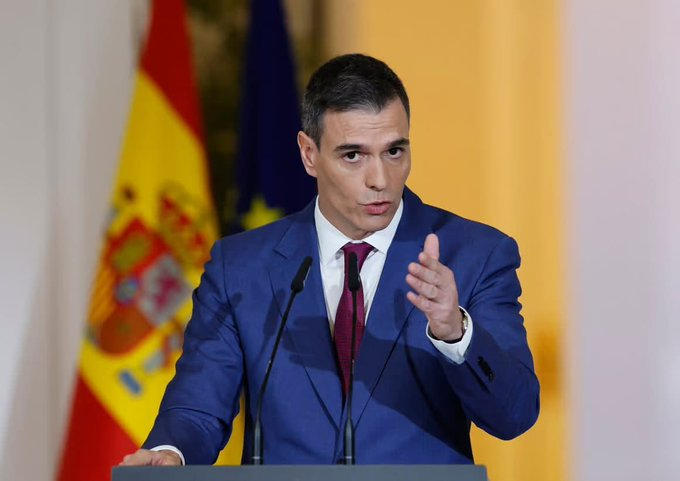
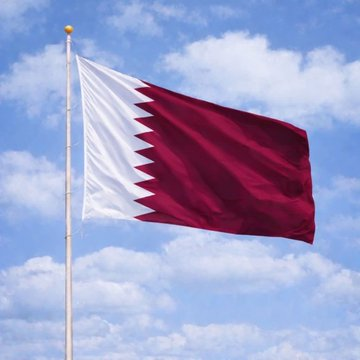
The Embassy of Spain in Doha has issued a precautionary advisory to Spanish nationals residing in or visiting Qatar, recommending they stock sufficient supplies of food, water, and medicine to potentially remain indoors for several days if security conditions deteriorate. The guidance comes amid heightened regional tensions stemming from the ongoing U.S.-Israel-Iran conflict and disruptions in the Strait of Hormuz.
This measure reflects growing concerns over possible escalation in the Gulf, where Qatar — home to the massive Ras Laffan LNG complex and Al Udeid Air Base — has already faced Iranian drone and missile activity.
Details of the Spanish Advisory
According to the embassy notice, Spanish citizens should prepare an emergency kit including non-perishable food, bottled water, essential medications, and other necessities to enable them to shelter in place safely. The alert emphasizes monitoring official updates from Qatari authorities and the Spanish diplomatic mission while avoiding unnecessary travel.
The recommendation aligns with similar precautionary messages from other Western embassies in the Gulf, including the U.S. Embassy in Doha, which has also advised Americans to maintain supplies for sheltering in place amid potential alerts.
Qatar’s own authorities have repeatedly assured the public that strategic reserves of food and medical supplies remain sufficient, urging residents not to engage in panic buying that could strain supply chains.
Why Qatar? Heightened Risks in the Gulf Amid the Iran Conflict
Qatar sits at the heart of the current crisis. Iranian forces have targeted energy infrastructure in the region, including strikes near or on Qatari facilities, leading to temporary halts in LNG production and force majeure declarations by QatarEnergy. Iranian drones and missiles have been intercepted over Qatari territory, and the country has intercepted attacks aimed at U.S. and allied assets.
The broader context includes:
- Restrictions and incidents in the Strait of Hormuz, which have disrupted global energy flows and raised fears of wider supply chain breakdowns.
- Retaliatory actions following U.S. and Israeli strikes on Iranian targets.
- Ongoing diplomatic efforts, including Pakistan’s recent call for a two-week extension of the U.S. deadline and Qatar’s own mediation attempts.
Although Qatar has not experienced widespread ground conflict, the proximity to active hostilities and the presence of major military installations make precautionary measures prudent for foreign nationals.
Spain maintains a neutral stance in the conflict, having ruled out participation in any military operations related to the Strait of Hormuz and publicly criticizing aspects of the escalation. This position has reportedly led Iran to grant Spanish vessels safe passage in some cases, potentially reducing direct risks to Spanish interests compared to more directly involved nations.
Broader International Precautions in the Region
Several countries have issued similar guidance:
- The United States has advised its citizens in Qatar and the wider Gulf to prepare for shelter-in-place scenarios and remain vigilant.
- The European Union has activated civil protection mechanisms and encouraged stockpiling of essentials for at least 72 hours in crisis-prone areas.
- Other European nations with citizens in the Gulf are coordinating repatriation options while stressing preparedness.
Qatar’s Ministry of Interior and health authorities continue to confirm that markets, pharmacies, and healthcare facilities are operating normally, with strategic stocks designed to withstand short-term disruptions.
Humanitarian and Economic Context
The conflict has already caused spikes in global energy prices, flight disruptions, and concerns over LNG and oil supplies. Qatar, a major exporter of liquefied natural gas, plays a critical role in global energy security. Any further instability could exacerbate economic pressures far beyond the Middle East.
Foreign embassies are balancing the need to protect their citizens with avoiding actions that could fuel panic or strain local resources.
Reactions and Next Steps
Spanish officials have not issued a full evacuation order, framing the advisory as a standard precautionary step rather than an indication of imminent danger. Spanish nationals in Qatar are encouraged to register with the embassy and follow real-time updates.
Qatari authorities continue to emphasize stability and have engaged in intensive diplomacy with Spain, the U.S., Iran, and other parties to contain the crisis.
As the situation evolves — with Israel signaling continued operations and international calls for de-escalation from figures like Pope Leo XIV and Pakistani Prime Minister Shehbaz Sharif — embassies worldwide are updating their guidance regularly.
FAQs About the Spanish Advisory in Qatar
Q1: Is this an evacuation order from Spain?
No. The advisory is precautionary, focused on sheltering in place with adequate supplies rather than urging immediate departure. Repatriation options remain available through commercial and coordinated channels if needed.
Q2: Why is Spain specifically advising its citizens in Qatar?
Qatar’s strategic location, energy infrastructure, and military bases make it vulnerable to spillover from the Iran conflict, including drone and missile activity. The advisory follows standard consular protocols for heightened regional tensions.
Q3: Are Qatari supplies of food and medicine sufficient?
Yes. Qatari authorities have confirmed strategic reserves can last many months, with markets and healthcare facilities operating normally. Officials have discouraged excessive stockpiling to prevent artificial shortages.
Q4: How does this fit into the wider Strait of Hormuz crisis?
Disruptions in the strait and retaliatory strikes have increased risks across the Gulf. Spain’s neutral position may offer some protection, but general preparedness remains essential for all foreign nationals.
Q5: What should Spanish citizens in Qatar do now?
Stock essential supplies, monitor embassy and Qatari government alerts, avoid non-essential travel, and ensure they have valid travel documents and emergency contacts.
Q6: Could similar advisories be issued for other Gulf countries?
Yes. Several Western embassies in the UAE, Saudi Arabia, Kuwait, and Bahrain have issued comparable guidance amid ongoing threats and infrastructure concerns.
Reflecto News will continue monitoring developments in the Gulf, diplomatic initiatives, and consular advisories as the U.S.-Iran-Israel conflict unfolds.
Stay informed with Reflecto News – Delivering accurate, timely coverage of global security, diplomacy, and their impact on civilians worldwide.
Questions people ask
What is China's current share of global manufacturing?
China now accounts for twenty eight percent of global manufacturing. This industrial output exceeds the combined manufacturing production of the United States, Japan, and Germany, making China the leading global industrial power according to recent reports.
Why were Andrew Tate and Tristan Tate arrested in Miami?
Andrew Tate and his brother Tristan Tate were taken into custody in Miami by the United States Marshals Service. They face thirty eight new charges in the United Kingdom, including rape and child pornography offences, and prosecutors are seeking their extradition.
What warning did Moscow issue about oil prices?
Kirill Dmitriev, the Chief Executive of the Russian Direct Investment Fund, warned that a tsunami of skyrocketing oil prices is approaching. Moscow describes this potential energy shock as a major threat to global markets.
What political shift is projected for Benjamin Netanyahu's coalition?
Political polls project that Prime Minister Benjamin Netanyahu's coalition is on track to lose its majority in the upcoming October election. This projection indicates a potential political shift in Jerusalem.
Why did a Russian military aircraft land in Tehran?
A Russian airborne command aircraft, widely known as a doomsday plane, landed in Tehran. The arrival of the aircraft represents a high stakes show of support from Russia for Iran during a period of heightened regional tensions.
What did President Masoud Pezeshkian claim about the United States and Israel?
Iranian President Masoud Pezeshkian claimed that the United States and Israel failed in a forty eight hour plan to topple the Iranian government. He made these statements during a televised address marking two years since his inauguration.