Reflecto News is an online news platform covering major international political events, global economic developments, and security conflicts. The site provides updates on topics such as Chinese manufacturing dominance, Middle Eastern political tensions, and high profile legal arrests. Readers can access current articles organized by categories like World News, Iran, and USA.
Reflecto News – April 8, 2026
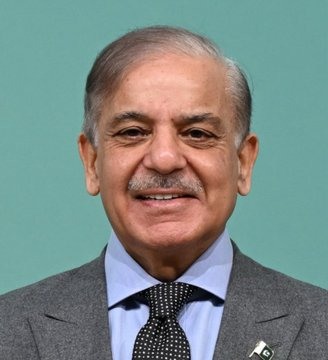
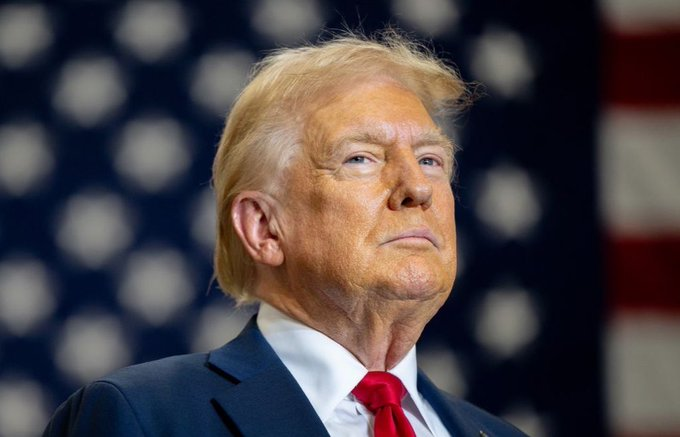
Pakistan’s Prime Minister Shehbaz Sharif has made a direct appeal to U.S. President Donald Trump, requesting a two-week extension of the deadline for Iran to reopen the Strait of Hormuz. In a balanced diplomatic overture, Sharif also urged Iranian authorities to open the critical waterway for a corresponding two-week period, aiming to create space for negotiations and prevent further escalation in the ongoing U.S.-Israel-Iran conflict.
The statement, issued on April 7, 2026, positions Pakistan as an active mediator in the crisis, which has now entered its sixth week. Sharif’s proposal comes amid intense diplomatic shuttling by Pakistan and Egypt, as the Trump administration’s deadline for Iran to restore free navigation through the strait passed without full compliance.
Sharif’s Exact Appeal and Pakistan’s Mediation Role
In his public remarks, Prime Minister Sharif stated: “I earnestly request Trump to extend the deadline for two weeks… I request the Iranians to open Strait of Hormuz for a corresponding period of two weeks.”
This reciprocal approach seeks to build confidence between the parties. Pakistan has been relaying messages between Washington and Tehran, proposing frameworks that include temporary pauses in hostilities. Sharif has also briefed regional leaders, including Saudi Crown Prince Mohammed bin Salman, on these efforts while reaffirming Pakistan’s solidarity with Gulf states affected by disrupted energy flows.
Pakistan’s involvement stems from its geographic proximity to Iran, strong historical ties with Tehran, and close security and economic relations with the United States and Saudi Arabia. Islamabad views de-escalation as vital not only for regional stability but also to protect its own economic interests and prevent spillover effects along its border with Iran.
Background: The Strait of Hormuz Deadline and Ongoing Conflict
President Trump set an 8 p.m. ET deadline on April 7 for Iran to fully reopen the Strait of Hormuz, warning of severe consequences—including strikes on power plants, bridges, and other infrastructure—if unmet. He had previously stated that failure to comply could result in “a whole civilization will die tonight,” language that drew international criticism from figures including Pope Leo XIV.
Iran has restricted shipping through the strait since the conflict began on February 28, 2026, in response to U.S. and Israeli strikes on its nuclear sites, air defenses, and leadership. The waterway, which carries approximately one-fifth of global oil and liquefied natural gas supplies, has seen maritime traffic drop dramatically, driving up energy prices worldwide.
Iran has rejected short-term ceasefire proposals, including a 45-day plan, insisting instead on a permanent end to hostilities with security guarantees. Meanwhile, Israel has indicated that a ceasefire is premature and plans to sustain operations for at least another month to further degrade Iranian capabilities.
Recent developments include:
- Successful U.S. rescue of downed American airmen using advanced “Ghost Murmur” technology.
- Exiled Crown Prince Reza Pahlavi’s calls for Iran’s armed forces to side with the people against the regime.
- Failed UN Security Council resolution on the strait, vetoed by China and Russia.
Strategic Importance and Global Impact
The Strait of Hormuz remains the world’s most critical energy chokepoint. Prolonged closure or restrictions have already caused spikes in oil prices, affected global supply chains, and raised concerns about humanitarian consequences in the region.
Pakistan’s proposal for a two-week mutual extension aims to:
- Allow time for back-channel talks.
- Enable limited resumption of commercial shipping.
- Reduce immediate risks of further military escalation.
Analysts suggest that while such extensions have been granted before, deep mistrust persists. Iran links any reopening to broader concessions, while the U.S. and its allies demand verifiable freedom of navigation.
Reactions from Key Stakeholders
United States: The Trump administration has described some Iranian responses as “not good enough” but has previously extended deadlines in response to diplomatic overtures. No immediate comment on Sharif’s latest request has been issued.
Iran: Tehran has signaled it is reviewing Pakistani proposals but remains opposed to acting under deadlines or pressure. Iranian officials have emphasized that the strait is not a bargaining chip for ending the wider conflict.
Israel: Officials maintain that continued operations are necessary, viewing any pause as potentially allowing Iran to regroup.
Gulf States and International Community: Many nations affected by higher energy costs support efforts to restore shipping. China and Russia have advocated for restraint, while Pope Leo XIV has condemned threats against civilian populations.
Pakistan’s mediation has been acknowledged positively by some parties, though success depends on whether both Washington and Tehran show flexibility.
Potential Outcomes and Risks
A two-week extension could de-escalate immediate tensions and open avenues for a more comprehensive deal. However, failure to reach agreement risks renewed strikes, wider regional involvement, and greater economic disruption.
Pakistan continues its shuttle diplomacy, with Sharif and senior officials engaging multiple capitals. The coming days will test whether this latest appeal can bridge the gap between the parties’ positions.
FAQs on Pakistan’s Proposal and the Strait of Hormuz Crisis
Q1: What exactly did Prime Minister Shehbaz Sharif propose?
Sharif requested a two-week extension from President Trump on the Iran deadline and simultaneously urged Iran to reopen the Strait of Hormuz for the same two-week period as a confidence-building measure.
Q2: Why is Pakistan involved in mediating between the U.S. and Iran?
Pakistan shares a border with Iran, maintains diplomatic relations with both sides, and has strong ties with Gulf countries and the U.S. It sees mediation as a way to promote regional stability and protect its own security and economic interests.
Q3: Has the original Trump deadline passed?
Yes. The April 7, 2026, 8 p.m. ET deadline passed without Iran fully reopening the strait, though some limited shipping has occurred under Iranian restrictions.
Q4: How important is the Strait of Hormuz?
It is a vital global chokepoint for oil and gas shipments. Disruptions affect energy prices and economies worldwide, with roughly 20% of global oil trade normally passing through it.
Q5: What has been Iran’s response to previous ceasefire or extension proposals?
Iran has rejected temporary 45-day ceasefires, demanding a permanent resolution with security guarantees. It has reviewed Pakistani frameworks but opposes acting under external deadlines.
Q6: What are the risks if no extension or agreement is reached?
Further military strikes on Iranian infrastructure, higher global energy costs, potential regional spillover, and increased humanitarian challenges for civilians.
Reflecto News will continue to monitor diplomatic developments, statements from all parties, and the situation in the Strait of Hormuz as efforts to de-escalate the conflict unfold.
Stay informed with Reflecto News – Your source for accurate, timely, and comprehensive coverage of international diplomacy and Middle East security issues.
Questions people ask
What is China's current share of global manufacturing?
China now accounts for twenty eight percent of global manufacturing. This industrial output exceeds the combined manufacturing production of the United States, Japan, and Germany, making China the leading global industrial power according to recent reports.
Why were Andrew Tate and Tristan Tate arrested in Miami?
Andrew Tate and his brother Tristan Tate were taken into custody in Miami by the United States Marshals Service. They face thirty eight new charges in the United Kingdom, including rape and child pornography offences, and prosecutors are seeking their extradition.
What warning did Moscow issue about oil prices?
Kirill Dmitriev, the Chief Executive of the Russian Direct Investment Fund, warned that a tsunami of skyrocketing oil prices is approaching. Moscow describes this potential energy shock as a major threat to global markets.
What political shift is projected for Benjamin Netanyahu's coalition?
Political polls project that Prime Minister Benjamin Netanyahu's coalition is on track to lose its majority in the upcoming October election. This projection indicates a potential political shift in Jerusalem.
Why did a Russian military aircraft land in Tehran?
A Russian airborne command aircraft, widely known as a doomsday plane, landed in Tehran. The arrival of the aircraft represents a high stakes show of support from Russia for Iran during a period of heightened regional tensions.
What did President Masoud Pezeshkian claim about the United States and Israel?
Iranian President Masoud Pezeshkian claimed that the United States and Israel failed in a forty eight hour plan to topple the Iranian government. He made these statements during a televised address marking two years since his inauguration.