Reflecto News is an online news platform covering major international political events, global economic developments, and security conflicts. The site provides updates on topics such as Chinese manufacturing dominance, Middle Eastern political tensions, and high profile legal arrests. Readers can access current articles organized by categories like World News, Iran, and USA.
Moscow / Riyadh – April 2, 2026 | Reflecto News
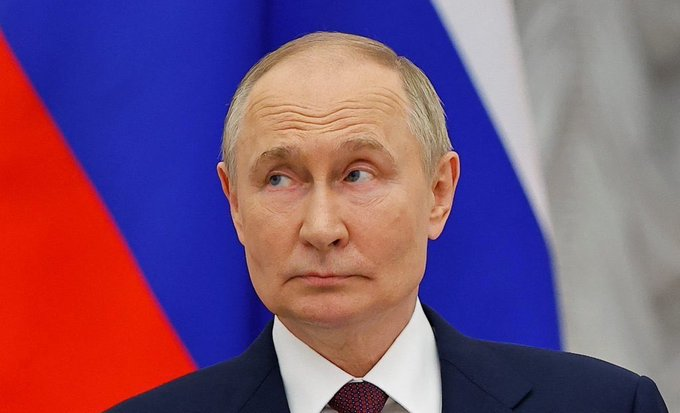
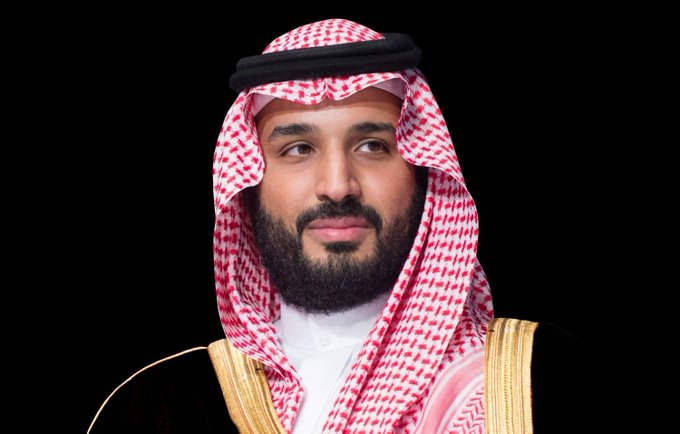
Russian President Vladimir Putin held a telephone conversation with Saudi Crown Prince Mohammed bin Salman on Thursday to address the escalating US-Israeli military campaign against Iran. Both leaders expressed serious concern over the deteriorating situation, civilian casualties, and destruction of infrastructure, while calling for an immediate ceasefire and intensified diplomatic efforts to reach a long-term settlement.
The Kremlin described the talks as a “substantive exchange” on the full range of issues related to the Middle East crisis, now in its sixth week since the launch of Operation Epic Fury in late February 2026. The Saudi Press Agency confirmed the call, noting discussions on the rapidly evolving regional situation, its repercussions on maritime security, and the global economy.
Key Points from the Phone Call
According to official readouts:
- Both sides voiced serious concern regarding civilian casualties and damage to strategically important infrastructure.
- They stressed the need for an immediate cessation of hostilities and stepping up political and diplomatic efforts toward a long-term resolution that respects the legitimate interests of all parties.
- Putin reportedly called for intensified diplomatic initiatives to end the war.
- The leaders also discussed OPEC+ cooperation to help stabilize global oil markets amid ongoing disruptions.
The conversation highlights growing international efforts to contain the conflict, which has involved sustained U.S.-Israeli strikes on Iranian nuclear sites, missile facilities, and naval assets, alongside Iranian ballistic missile responses targeting central Israel (including recent strikes near Petah Tikva and the Tel Aviv area).
Broader Context: The Ongoing War
The US-Israeli operation has significantly degraded Iran’s conventional navy, with the U.S. State Department stating it could be “destroyed within weeks.” Recent developments include:
- The killing of senior IRGC General Mohammad Ali Fathali-Zadeh, commander of the elite Fatehin unit.
- Continued Iranian missile barrages and Houthi ballistic missile attacks from Yemen.
- Selective safe-passage assurances, such as Iran’s recent guarantee to Philippine vessels through the Strait of Hormuz.
- President Donald Trump’s repeated ultimatum urging Iran to “make a deal before it is too late,” with references to a U.S.-brokered 15-point peace proposal mediated in part by Pakistan.
The proposal demands Iran dismantle key nuclear facilities, limit its ballistic missile program, cease support for proxies (Houthis, Hezbollah, etc.), and fully reopen the Strait of Hormuz in exchange for sanctions relief and civilian nuclear assistance.
Why Russia and Saudi Arabia Matter
- Russia: A long-standing ally of Iran, Moscow has criticized the U.S.-Israeli strikes as aggression and has pushed for de-escalation through diplomatic channels. The call aligns with Russia’s broader efforts to position itself as a key mediator in the region.
- Saudi Arabia: As a major oil producer and leader in the Gulf, Riyadh is deeply concerned about spillover effects, including threats to maritime security in the Gulf and Red Sea, refugee flows, and volatility in energy markets. The Kingdom maintains complex relations with both Iran and the United States.
Their joint emphasis on OPEC+ coordination signals an attempt to mitigate the economic fallout from the conflict, which has already driven up global oil prices due to fears over the Strait of Hormuz.
International Reactions and Implications
- United States: The Trump administration continues to assert that core strategic objectives — including neutralization of Iran’s nuclear threat and naval capabilities — are nearing completion, with possible intense operations for another two to three weeks.
- Global Energy Markets: Oil benchmarks remain elevated. Any successful diplomatic push could help stabilize prices, while further escalation risks broader disruptions.
- Regional Players: The call comes amid multi-front pressures on Israel from Iranian missiles and Houthi attacks, raising fears of wider involvement by other actors.
Analysts view the Putin-MBS conversation as part of a growing wave of diplomatic activity aimed at preventing the conflict from spiraling into a larger regional war with catastrophic humanitarian and economic consequences.
What Happens Next?
With both leaders calling for swift de-escalation, attention turns to whether these efforts can influence ongoing U.S.-Iran dynamics or advance the 15-point proposal. Iran has remained defiant in public while facing mounting military and economic pressure.
Reflecto News will continue to monitor reactions from Moscow, Riyadh, Washington, Tehran, and Jerusalem, as well as any updates on OPEC+ decisions or further diplomatic initiatives.
By Reflecto News Desk
Sources: Kremlin statements, Saudi Press Agency, Reuters, Middle East Eye, Anadolu Agency, and international wire services.
Questions people ask
What is China's current share of global manufacturing?
China now accounts for twenty eight percent of global manufacturing. This industrial output exceeds the combined manufacturing production of the United States, Japan, and Germany, making China the leading global industrial power according to recent reports.
Why were Andrew Tate and Tristan Tate arrested in Miami?
Andrew Tate and his brother Tristan Tate were taken into custody in Miami by the United States Marshals Service. They face thirty eight new charges in the United Kingdom, including rape and child pornography offences, and prosecutors are seeking their extradition.
What warning did Moscow issue about oil prices?
Kirill Dmitriev, the Chief Executive of the Russian Direct Investment Fund, warned that a tsunami of skyrocketing oil prices is approaching. Moscow describes this potential energy shock as a major threat to global markets.
What political shift is projected for Benjamin Netanyahu's coalition?
Political polls project that Prime Minister Benjamin Netanyahu's coalition is on track to lose its majority in the upcoming October election. This projection indicates a potential political shift in Jerusalem.
Why did a Russian military aircraft land in Tehran?
A Russian airborne command aircraft, widely known as a doomsday plane, landed in Tehran. The arrival of the aircraft represents a high stakes show of support from Russia for Iran during a period of heightened regional tensions.
What did President Masoud Pezeshkian claim about the United States and Israel?
Iranian President Masoud Pezeshkian claimed that the United States and Israel failed in a forty eight hour plan to topple the Iranian government. He made these statements during a televised address marking two years since his inauguration.