Reflecto News is an online news platform covering major international political events, global economic developments, and security conflicts. The site provides updates on topics such as Chinese manufacturing dominance, Middle Eastern political tensions, and high profile legal arrests. Readers can access current articles organized by categories like World News, Iran, and USA.
Reflecto News
April 7, 2026
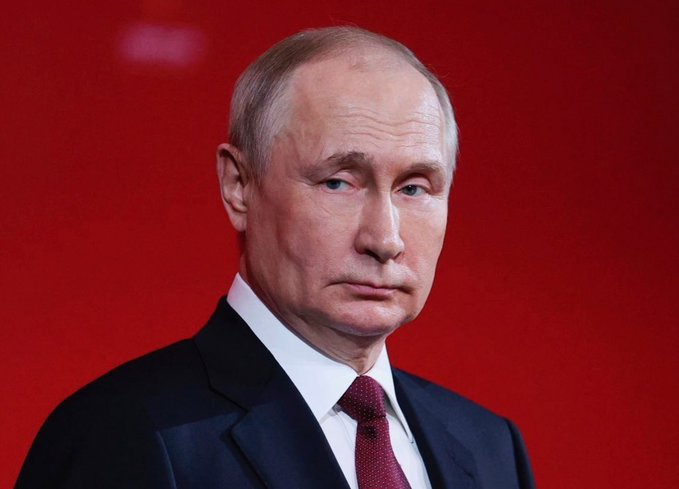
Russia has issued a stark warning that the ongoing war in Iran and disruptions in the Strait of Hormuz are pushing the global economy toward a major energy and economic crisis, with potentially long-lasting consequences similar to or worse than the disruptions seen during the COVID-19 pandemic. The statement comes as President Donald Trump’s 8 p.m. ET deadline for Iran to reopen the vital waterway looms large.
Russian President Vladimir Putin and senior officials have repeatedly cautioned that continued instability in the Middle East, particularly restrictions or potential attacks on energy infrastructure linked to the Strait of Hormuz, risks halting significant portions of global oil production and triggering widespread supply shortages, soaring prices, inflation, and economic slowdown.
The Strait of Hormuz carries roughly 20% of global seaborne oil and LNG trade. Disruptions here are already driving volatility in energy markets.
Russia’s Warnings on the Energy Crisis
Putin has stated that oil production dependent on the Strait of Hormuz “risks coming to a complete halt” within weeks, with output already declining and storage facilities filling up. He described the current situation as a materialized energy crisis with “grave implications for the global economy,” noting rising prices, disrupted supply chains, and threats to long-term investment in the energy sector.
Russian officials have emphasized that destabilizing the Middle East was repeatedly warned against, and the conflict has now created a scenario where global fuel and energy supplies face severe pressure. While Russia is benefiting in the short term from higher energy prices and increased demand for its own exports, Moscow has also positioned itself as a potential alternative supplier, offering conditional oil and gas to Europe if political conditions allow.
Link to Trump’s Deadline and Iran Threats
The Russian assessment aligns with escalating tensions ahead of Trump’s Tuesday evening deadline. Iran’s IRGC has threatened long-term cuts to regional oil and gas supplies if the U.S. strikes civilian infrastructure such as power plants or bridges. Any further escalation could compound the existing disruptions caused by Iran’s restrictions in the Strait of Hormuz.
Russia has urged diplomacy and de-escalation, supporting mediation efforts (including those involving China and Pakistan) while warning that prolonged conflict could lead to broader economic fallout, including risks of stagflation and recession.
Global Implications
Analysts and Russian statements highlight several risks:
- Oil and gas shortages — Potential loss of millions of barrels per day from Gulf supplies.
- Price surges — Brent crude and other benchmarks have already seen significant volatility.
- Economic ripple effects — Higher inflation, reduced industrial output, impacts on food security (via fertilizer costs), and possible energy “lockdowns” or consumption cuts in vulnerable countries.
- Long-term damage — Disrupted investment in energy infrastructure and heightened geopolitical risks.
Europe, Asia, and other import-dependent regions are particularly exposed, with some countries already implementing fuel-saving measures.
Russia’s Dual Role
While warning of crisis, Russia is also capitalizing on the situation. Higher prices have provided a windfall for Russian energy revenues, helping offset pressures from sanctions and the war in Ukraine. Putin has indicated readiness to increase supplies to willing buyers, including potentially Europe, under stable, long-term contracts free from political interference.
Conclusion: Calls for Restraint Amid High Stakes
Russia’s latest warnings underscore the precarious state of global energy markets as the Iran conflict enters a critical phase. With Trump’s deadline approaching and threats flying from multiple sides, the risk of a deeper energy and economic crisis is rising. Moscow continues to advocate for political solutions while preparing to navigate — and potentially profit from — the turmoil.
Reflecto News will monitor developments closely, including any market reactions, responses from Washington or Tehran, and further statements from Russian officials as the 8 p.m. ET deadline nears.
Frequently Asked Questions (FAQs)
What exactly did Russia say about the energy crisis?
Russia, through President Putin and officials, warned that the Iran conflict and Strait of Hormuz disruptions are triggering a global energy crisis with risks of halted oil production, soaring prices, supply shortages, inflation, and broader economic damage comparable to major past shocks.
How serious is the threat to global energy supplies?
The Strait of Hormuz handles about 20% of world oil and LNG trade. Prolonged restrictions or further attacks could lead to multi-million-barrel daily shortfalls, driving prices sharply higher and forcing consumption cuts worldwide.
Is Russia benefiting from the crisis?
Short-term yes — higher energy prices have boosted Russian export revenues. However, Moscow has also warned of long-term risks to global stability and its own economy if the conflict escalates further.
Does this relate to Trump’s deadline for Iran?
Yes — the warning comes on the day of Trump’s 8 p.m. ET deadline for Iran to reopen the Strait of Hormuz or face expanded strikes, compounding fears of deeper disruption.
What solutions is Russia proposing?
Russia urges immediate de-escalation, ceasefire, and political dialogue. It has offered to increase supplies to Europe and others under stable conditions and supports mediation efforts.
For the latest on the Iran conflict, global energy markets, and diplomatic developments, stay with Reflecto News.
Questions people ask
What is China's current share of global manufacturing?
China now accounts for twenty eight percent of global manufacturing. This industrial output exceeds the combined manufacturing production of the United States, Japan, and Germany, making China the leading global industrial power according to recent reports.
Why were Andrew Tate and Tristan Tate arrested in Miami?
Andrew Tate and his brother Tristan Tate were taken into custody in Miami by the United States Marshals Service. They face thirty eight new charges in the United Kingdom, including rape and child pornography offences, and prosecutors are seeking their extradition.
What warning did Moscow issue about oil prices?
Kirill Dmitriev, the Chief Executive of the Russian Direct Investment Fund, warned that a tsunami of skyrocketing oil prices is approaching. Moscow describes this potential energy shock as a major threat to global markets.
What political shift is projected for Benjamin Netanyahu's coalition?
Political polls project that Prime Minister Benjamin Netanyahu's coalition is on track to lose its majority in the upcoming October election. This projection indicates a potential political shift in Jerusalem.
Why did a Russian military aircraft land in Tehran?
A Russian airborne command aircraft, widely known as a doomsday plane, landed in Tehran. The arrival of the aircraft represents a high stakes show of support from Russia for Iran during a period of heightened regional tensions.
What did President Masoud Pezeshkian claim about the United States and Israel?
Iranian President Masoud Pezeshkian claimed that the United States and Israel failed in a forty eight hour plan to topple the Iranian government. He made these statements during a televised address marking two years since his inauguration.