Reflecto News is an online news platform covering major international political events, global economic developments, and security conflicts. The site provides updates on topics such as Chinese manufacturing dominance, Middle Eastern political tensions, and high profile legal arrests. Readers can access current articles organized by categories like World News, Iran, and USA.
Reflecto News
April 7, 2026
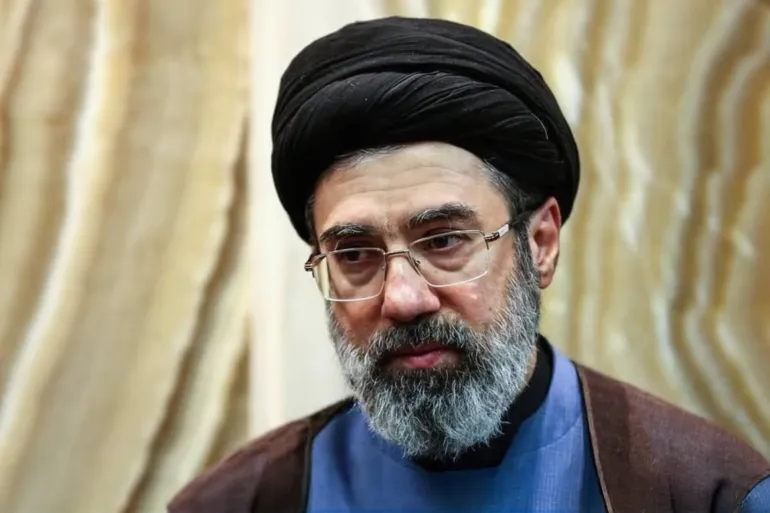
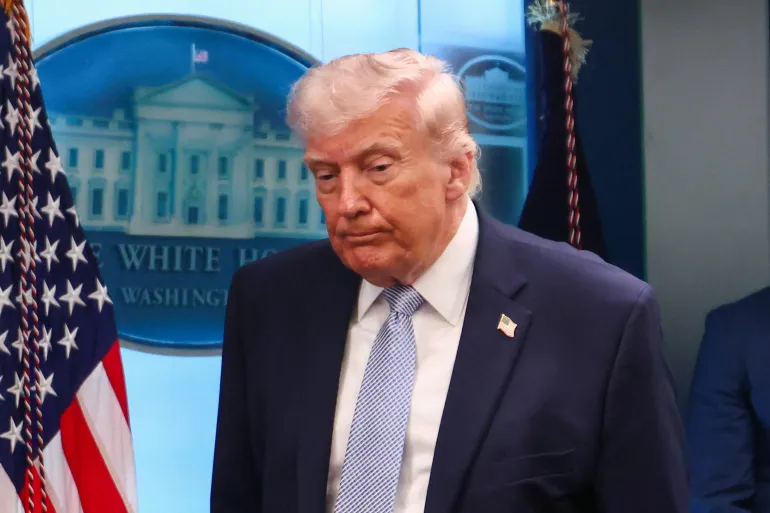
Iran’s Islamic Revolutionary Guard Corps (IRGC) has issued a sharp warning that it will retaliate against any U.S. strikes on Iranian civilian infrastructure by depriving the United States and its allies of regional oil and gas supplies for years. The threat, delivered hours before President Donald Trump’s self-imposed 8 p.m. ET deadline for Iran to fully reopen the Strait of Hormuz, escalates the high-stakes standoff over global energy flows.
The IRGC statement declared that “restraint is over” and vowed to target infrastructure belonging to America and its partners in a manner that would cause long-term disruption to energy supplies from the Persian Gulf. Iranian officials also called on civilians, including young people, to form human chains around power plants to deter potential attacks, framing such strikes as war crimes.
The Strait of Hormuz, through which roughly 20% of global seaborne oil trade passes, remains a central flashpoint as Iran maintains restrictions in response to ongoing U.S. and Israeli operations under Operation Epic Fury.
IRGC Threat in Detail
According to multiple Iranian media outlets and international reports, the IRGC warned it would “act against American infrastructure and its partners in a way that will deprive the Americans and its allies of the region’s oil and gas for years.” The statement came in direct response to Trump’s repeated threats to target Iranian power plants, bridges, and other infrastructure if Tehran does not comply with demands to reopen the Strait of Hormuz without restrictions or “tolls.”
Iran has effectively restricted shipping through the vital waterway since early in the conflict, using it as leverage while rejecting temporary ceasefires and demanding a permanent end to hostilities, sanctions relief, and reconstruction commitments.
Trump’s Deadline and Escalating Rhetoric
President Trump has set Tuesday, April 7, at 8 p.m. ET as the deadline for Iran to reach a deal and restore unrestricted access to the Strait of Hormuz. He has warned of devastating strikes — described as “Power Plant Day and Bridge Day” — if demands are not met, while signaling possible flexibility if “clear progress toward a deal” materializes.
The U.S. has conducted precision strikes on Iranian military and nuclear-related targets, but threats against broader civilian infrastructure have drawn international criticism, including from France’s Foreign Minister, who opposes such actions.
Potential Global Impact
Any sustained disruption to Gulf oil and gas flows could have severe consequences:
- Sharp spikes in global energy prices
- Increased inflation and economic pressure worldwide
- Heightened risks to shipping and energy infrastructure across the region
The Strait of Hormuz is the world’s most critical oil chokepoint, and prolonged closure or attacks on related facilities would affect economies far beyond the Middle East.
Broader Context
This latest Iranian warning follows:
- China’s offer to help mediate an end to the conflict
- The temporary closure of the King Fahd Causeway between Saudi Arabia and Bahrain over retaliation fears
- Reports of damage to civilian sites in Tehran, including a Jewish synagogue
- A shooting incident near the Israeli consulate in Istanbul
Iran continues to reject temporary ceasefires, insisting on a comprehensive resolution that addresses its security concerns and regional influence.
Reflecto News will provide real-time updates on any developments as the deadline approaches, including possible responses from the White House, reactions from Gulf states, and market impacts on oil prices.
Frequently Asked Questions (FAQs)
What exactly did Iran threaten regarding oil and gas?
The IRGC warned that if the U.S. strikes Iranian civilian infrastructure such as power plants or bridges, Iran would retaliate by damaging infrastructure belonging to the U.S. and its allies, depriving them of regional oil and gas supplies “for years.”
Is the Strait of Hormuz currently open?
Iran has imposed restrictions on shipping through the strait, effectively limiting transit in response to U.S. and Israeli strikes. Full, unrestricted reopening is the core U.S. demand.
What is Trump’s deadline?
Tuesday, April 7, 2026, at 8 p.m. ET for Iran to reach an acceptable deal and reopen the Strait of Hormuz, or face expanded strikes on infrastructure.
How serious is the threat to cut off oil for years?
Such a prolonged disruption would be unprecedented and could cause major global economic shocks, though experts note Iran’s own economy would also suffer significantly from any escalation.
What other developments are happening today?
China has offered mediation support, the Pentagon canceled a scheduled briefing, and security incidents continue across the region, including the King Fahd Causeway closure and a shooting near the Israeli consulate in Istanbul.
For the latest on the Iran conflict, energy market reactions, and diplomatic efforts, stay with Reflecto News.
Questions people ask
What is China's current share of global manufacturing?
China now accounts for twenty eight percent of global manufacturing. This industrial output exceeds the combined manufacturing production of the United States, Japan, and Germany, making China the leading global industrial power according to recent reports.
Why were Andrew Tate and Tristan Tate arrested in Miami?
Andrew Tate and his brother Tristan Tate were taken into custody in Miami by the United States Marshals Service. They face thirty eight new charges in the United Kingdom, including rape and child pornography offences, and prosecutors are seeking their extradition.
What warning did Moscow issue about oil prices?
Kirill Dmitriev, the Chief Executive of the Russian Direct Investment Fund, warned that a tsunami of skyrocketing oil prices is approaching. Moscow describes this potential energy shock as a major threat to global markets.
What political shift is projected for Benjamin Netanyahu's coalition?
Political polls project that Prime Minister Benjamin Netanyahu's coalition is on track to lose its majority in the upcoming October election. This projection indicates a potential political shift in Jerusalem.
Why did a Russian military aircraft land in Tehran?
A Russian airborne command aircraft, widely known as a doomsday plane, landed in Tehran. The arrival of the aircraft represents a high stakes show of support from Russia for Iran during a period of heightened regional tensions.
What did President Masoud Pezeshkian claim about the United States and Israel?
Iranian President Masoud Pezeshkian claimed that the United States and Israel failed in a forty eight hour plan to topple the Iranian government. He made these statements during a televised address marking two years since his inauguration.