Reflecto News is an online news platform covering major international political events, global economic developments, and security conflicts. The site provides updates on topics such as Chinese manufacturing dominance, Middle Eastern political tensions, and high profile legal arrests. Readers can access current articles organized by categories like World News, Iran, and USA.
Ukrainian long-range drone strikes have severely disrupted Russian oil export infrastructure, halting at least 40% of the country’s oil export capacity (roughly 2 million barrels per day) and forcing Russia to consider or implement production cuts as domestic refining and export terminals struggle with damage and operational halts.
By Reflecto News Desk
April 2, 2026 | Moscow / Kyiv
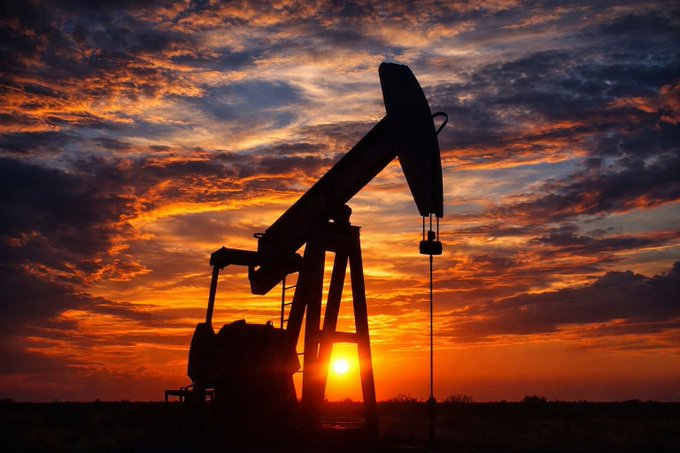
According to Reuters calculations based on market data and industry sources, repeated Ukrainian drone attacks on key Baltic Sea ports (Primorsk and Ust-Luga), Black Sea facilities (including Novorossiysk), refineries (such as Kirishi), and related infrastructure have created the most severe oil supply disruption in modern Russian history. Additional factors, including a disputed attack on a major pipeline and tanker seizures, have compounded the impact.
Scale of the Disruptions
- Export Capacity Hit: As of late March 2026, approximately 40% of Russia’s seaborne oil export capacity was offline. This equates to around 2 million barrels per day of lost export potential, with major terminals suspending loadings due to fires, damage, and security threats.
- Refinery Impact: Strikes on facilities like the Kirishi refinery (one of Russia’s largest) have halted key processing units, reducing domestic refining throughput and creating backups in the crude oil system.
- Production Pressure: Russian pipeline operator Transneft and industry sources have indicated that sustained disruptions could make oil output cuts unavoidable to prevent oversupply at domestic storage and processing sites. Some reports suggest producers have already been warned of potential reductions in crude intake.
Ukraine has intensified these long-range strikes in recent weeks, viewing them as a way to pressure Russia economically and reduce revenues that fund the ongoing war, even as global oil prices have risen due to the separate U.S.-Israeli conflict with Iran.
Context and Broader Energy Market Effects
The attacks come at a sensitive time for global energy markets already strained by the Strait of Hormuz disruptions caused by the Iran war. Russia, a major oil producer, had hoped for windfall revenues from higher prices, but the Ukrainian campaign has offset those gains through lost exports, higher logistics and insurance costs, and forced operational adjustments.
- Russia’s oil exports to key markets (including India) have been affected, with some shipments delayed or rerouted.
- The disruptions add to existing challenges from sanctions and logistics issues in the Baltic and Black Sea regions.
Meanwhile, the parallel crisis in the Middle East continues:
- Iran has warned of “stronger, wider, and more destructive” retaliatory attacks.
- French President Macron has called any military operation to forcibly open the Strait of Hormuz “unrealistic.”
- Russia, through recent diplomatic outreach (including Putin’s call with Saudi Crown Prince Mohammed bin Salman), has positioned itself as ready to do “whatever is necessary” to restore regional peace.
Implications
For Russia, sustained production and export cuts could strain budget revenues and force adjustments in OPEC+ coordination. For Ukraine, the strategy aims to degrade Russia’s war-sustaining economy while drawing international attention to the human and infrastructure costs on both sides.
The situation remains fluid, with potential for further strikes, repairs, or retaliatory actions. Global oil markets are watching closely for signs of how these dual crises — in Ukraine and the Middle East — will interact and influence prices and supply.
Reflecto News will continue monitoring developments in Russian energy infrastructure, Ukrainian statements, OPEC+ responses, and any links to the broader Middle East conflict and Hormuz situation.
Sources: Reuters (multiple reports from March 2026), industry sources, The Moscow Times, Kyiv Independent, and official statements as of April 2, 2026. Data on oil flows and damage assessments are based on market calculations and subject to ongoing verification.
Questions people ask
What is China's current share of global manufacturing?
China now accounts for twenty eight percent of global manufacturing. This industrial output exceeds the combined manufacturing production of the United States, Japan, and Germany, making China the leading global industrial power according to recent reports.
Why were Andrew Tate and Tristan Tate arrested in Miami?
Andrew Tate and his brother Tristan Tate were taken into custody in Miami by the United States Marshals Service. They face thirty eight new charges in the United Kingdom, including rape and child pornography offences, and prosecutors are seeking their extradition.
What warning did Moscow issue about oil prices?
Kirill Dmitriev, the Chief Executive of the Russian Direct Investment Fund, warned that a tsunami of skyrocketing oil prices is approaching. Moscow describes this potential energy shock as a major threat to global markets.
What political shift is projected for Benjamin Netanyahu's coalition?
Political polls project that Prime Minister Benjamin Netanyahu's coalition is on track to lose its majority in the upcoming October election. This projection indicates a potential political shift in Jerusalem.
Why did a Russian military aircraft land in Tehran?
A Russian airborne command aircraft, widely known as a doomsday plane, landed in Tehran. The arrival of the aircraft represents a high stakes show of support from Russia for Iran during a period of heightened regional tensions.
What did President Masoud Pezeshkian claim about the United States and Israel?
Iranian President Masoud Pezeshkian claimed that the United States and Israel failed in a forty eight hour plan to topple the Iranian government. He made these statements during a televised address marking two years since his inauguration.