In one of his most ominous statements yet, President Donald Trump has declared that “a whole civilization will die tonight” if Iran does not immediately comply with U.S. demands regarding the Strait of Hormuz and broader de-escalation. The remark, delivered amid the expiration of his deadline for reopening the strategic waterway, has sent shockwaves through international capitals and raised fresh concerns about the scale of potential U.S. military action.
By Reflecto News Desk
April 7, 2026 | Washington / Tehran
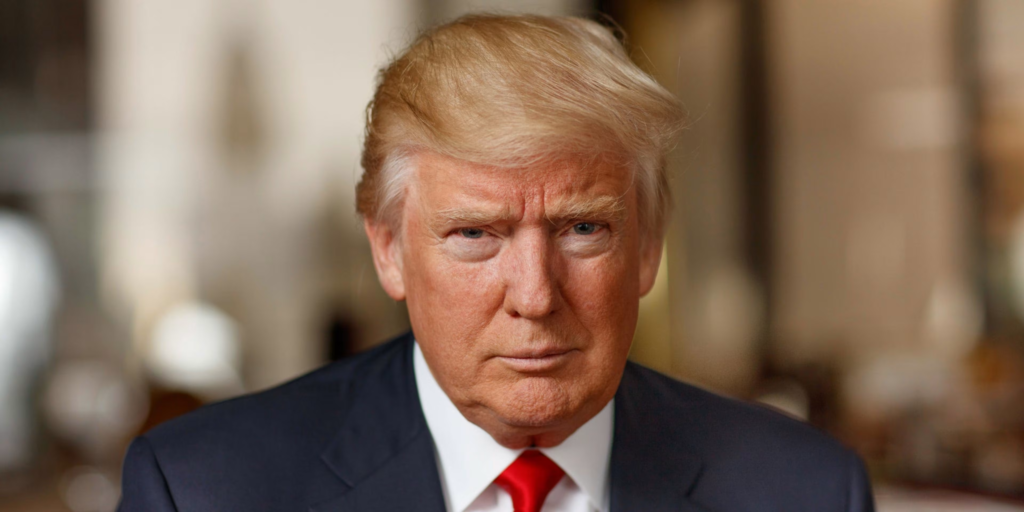
President Trump made the chilling comment during remarks that referenced ongoing U.S. strikes, including the latest reported attacks on bunkers, a radar station, and ammunition storage facilities on Iran’s Kharg Island. He framed the warning as a direct consequence of Iranian intransigence, repeating earlier threats of massive strikes on power plants, bridges, and other critical infrastructure — described as “Power Plant Day and Bridge Day all wrapped up in one.”
The phrase “a whole civilization will die tonight” has been interpreted by analysts as a stark escalation in rhetoric, potentially alluding to the collapse of Iran’s modern infrastructure, economy, or even broader societal structures under sustained bombardment. It comes just hours after strikes were reported on Mehrabad International Airport in Tehran and other military-linked sites.
Context of the Escalating Rhetoric
Trump’s statement arrives as the U.S.-Iran conflict enters a dangerous new phase:
- The president’s deadline for Iran to fully reopen the Strait of Hormuz has passed without full compliance. Iran continues selective control, allowing limited tanker transits while insisting the waterway “will never return to its former state, especially for America and Israel.”
- Recent U.S. military actions include strikes on Kharg Island (Iran’s main oil export terminal) and Mehrabad Airport, where explosions and fires damaged dual-use facilities.
- High-risk operations continue, including the successful rescue of a wounded F-15E Strike Eagle Colonel from deep inside Iran.
- Iranian President Masoud Pezeshkian has pledged personal sacrifice and claimed over 14 million Iranians are ready to do the same in defense of the country.
No large-scale strikes on power plants or bridges have been confirmed as of late April 7, but Pentagon sources indicate that strike packages remain active and forces are on high alert.
International Reactions and Concerns
The president’s language has triggered immediate alarm:
- Legal experts and U.N. officials have reiterated warnings that widespread destruction of civilian infrastructure could amount to war crimes due to disproportionate harm to civilians.
- Humanitarian organizations fear blackouts, water shortages, and medical crises if Iran’s power grid is heavily targeted.
- Gulf states and allies are monitoring the situation closely, concerned about further spillover, including risks to energy facilities like the Borouge petrochemical plant in Abu Dhabi.
Diplomatic backchannels via Pakistan remain open, with Iran’s Foreign Minister Abbas Araghchi continuing to call for a “conclusive and lasting” end to the war. However, Trump’s rhetoric suggests limited patience for negotiations at this stage.
Reflecto News will continue monitoring any further statements from the White House, developments on the ground in Iran (including Kharg Island and Tehran airports), Iranian responses, and the status of the Strait of Hormuz.
FAQs: Trump’s “A Whole Civilization Will Die Tonight” Warning
Q1: What did President Trump mean by the statement?
The comment appears to warn of devastating consequences for Iran — potentially the collapse of its infrastructure, economy, or societal functioning — if it does not meet U.S. demands on the Strait of Hormuz and related issues.
Q2: Has the U.S. launched the threatened large-scale strikes?
No confirmed strikes on power plants or bridges have occurred yet. Targeted actions on military sites like Kharg Island and Mehrabad Airport have been reported.
Q3: How has Iran responded?
Iranian leadership, including President Pezeshkian, has emphasized national sacrifice and defiance, while maintaining selective control over the strait.
Q4: What are the humanitarian risks?
Experts warn that attacks on energy and transport infrastructure could cause widespread civilian suffering, including blackouts affecting hospitals and water systems.
Q5: Are diplomatic efforts still active?
Yes. Backchannel talks continue, though Trump’s rhetoric indicates pressure is intensifying.
Sources: President Trump’s statements, Fox News, Iranian state media, cross-referenced international reporting as of April 7, 2026. Rhetoric in active conflicts serves both signaling and domestic purposes; the situation remains extremely fluid.