Reflecto News is an online news platform covering major international political events, global economic developments, and security conflicts. The site provides updates on topics such as Chinese manufacturing dominance, Middle Eastern political tensions, and high profile legal arrests. Readers can access current articles organized by categories like World News, Iran, and USA.
Iran has announced the suspension of all diplomatic channels and indirect talks with the United States in response to President Donald Trump’s recent aggressive rhetoric, including his warning that “a whole civilization will die tonight.” The decision marks a sharp breakdown in backchannel communications that had remained active even during intense military exchanges.
By Reflecto News Desk
April 7, 2026 | Tehran / Washington
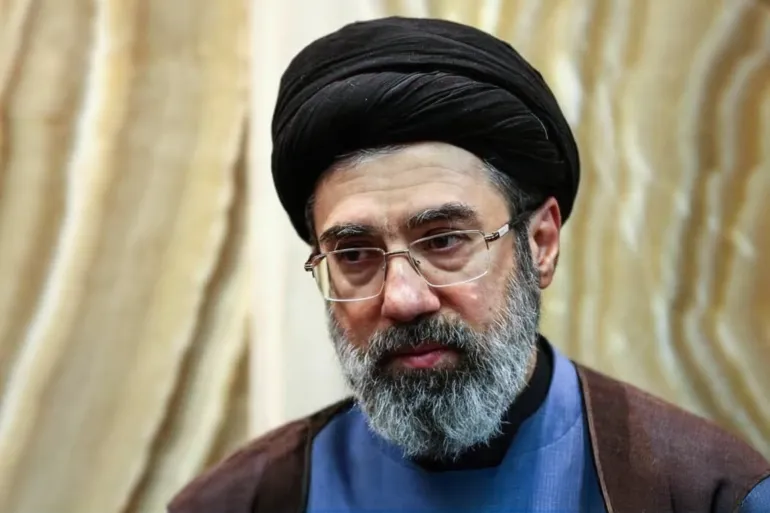
Iranian officials, including Foreign Minister Abbas Araghchi, stated that Tehran is freezing all indirect negotiations — including those mediated through Pakistan and other intermediaries — citing Trump’s threats as unacceptable and inflammatory. The move comes hours after Trump declared that failure to reopen the Strait of Hormuz would result in devastating strikes, with his latest comments suggesting catastrophic consequences for Iran.
This development effectively halts the fragile diplomatic track that had offered a potential off-ramp, even as targeted U.S. strikes continued on Iranian military sites such as Kharg Island (bunkers, radar station, and ammunition storage) and Mehrabad International Airport in Tehran.
Immediate Impact on the Conflict
The freezing of diplomatic channels significantly raises the risk of uncontrolled escalation:
- Strait of Hormuz: Iran maintains selective control and has reiterated that the waterway “will never return to its former state, especially for America and Israel.” Limited tanker transits continue on a case-by-case basis, but full commercial reopening is now even less likely in the short term.
- Military Actions: Recent U.S. strikes on Kharg Island and Tehran-area facilities have already degraded Iranian radar and logistics capabilities. Threats of large-scale attacks on power plants and bridges (“Power Plant Day and Bridge Day”) remain on the table.
- Iranian Resolve: President Masoud Pezeshkian has repeatedly emphasized national sacrifice, claiming over 14 million Iranians are ready to defend the country, including his personal pledge to be a “sacrificer” for Iran.
Broader Regional and Global Context
The suspension of talks occurs amid a rapidly deteriorating situation:
- High-risk U.S. operations, including the successful rescue of a wounded F-15E Strike Eagle Colonel from deep inside Iran.
- Spillover effects in the Gulf, such as fires at the UAE’s Borouge petrochemical plant caused by intercepted Iranian attacks.
- International warnings from legal experts and U.N. officials that further strikes on civilian-linked infrastructure could constitute war crimes due to disproportionate harm.
Energy markets are already reacting to the heightened uncertainty, with concerns over prolonged disruption to the Strait of Hormuz, which normally carries about 20% of global LNG and 30% of seaborne oil trade.
Reflecto News will continue monitoring any Iranian or U.S. follow-up statements, potential new military movements, impacts on the Strait of Hormuz, and reactions from international mediators.
FAQs: Iran Freezes Diplomatic Channels
Q1: Why has Iran suspended all talks?
Tehran cited President Trump’s latest threats, including the warning that “a whole civilization will die tonight,” as crossing a red line.
Q2: Which channels are affected?
All indirect and backchannel talks, including those facilitated through Pakistan, have been frozen.
Q3: Does this mean war is inevitable?
It significantly reduces the chance of a quick de-escalation, but military restraint or new mediators could still emerge. The situation remains extremely fluid.
Q4: How does this affect the Strait of Hormuz?
Full reopening is now even less likely in the near term, increasing risks to global energy supplies.
Q5: What are the humanitarian concerns?
Further escalation could lead to widespread civilian suffering if power plants, bridges, or other infrastructure are heavily targeted.
Sources: Iranian state media (IRIB, Tasnim, Fars), cross-referenced with international reporting (Reuters, Axios) as of April 7, 2026. Diplomatic breakdowns in active conflicts can sometimes be temporary or tactical; the situation is highly dynamic.
Questions people ask
What is China's current share of global manufacturing?
China now accounts for twenty eight percent of global manufacturing. This industrial output exceeds the combined manufacturing production of the United States, Japan, and Germany, making China the leading global industrial power according to recent reports.
Why were Andrew Tate and Tristan Tate arrested in Miami?
Andrew Tate and his brother Tristan Tate were taken into custody in Miami by the United States Marshals Service. They face thirty eight new charges in the United Kingdom, including rape and child pornography offences, and prosecutors are seeking their extradition.
What warning did Moscow issue about oil prices?
Kirill Dmitriev, the Chief Executive of the Russian Direct Investment Fund, warned that a tsunami of skyrocketing oil prices is approaching. Moscow describes this potential energy shock as a major threat to global markets.
What political shift is projected for Benjamin Netanyahu's coalition?
Political polls project that Prime Minister Benjamin Netanyahu's coalition is on track to lose its majority in the upcoming October election. This projection indicates a potential political shift in Jerusalem.
Why did a Russian military aircraft land in Tehran?
A Russian airborne command aircraft, widely known as a doomsday plane, landed in Tehran. The arrival of the aircraft represents a high stakes show of support from Russia for Iran during a period of heightened regional tensions.
What did President Masoud Pezeshkian claim about the United States and Israel?
Iranian President Masoud Pezeshkian claimed that the United States and Israel failed in a forty eight hour plan to topple the Iranian government. He made these statements during a televised address marking two years since his inauguration.