In characteristically blunt remarks, President Donald Trump has issued a direct ultimatum to Iran, warning that if the Strait of Hormuz is not reopened by Tuesday, the United States and its allies will conduct what he called “Power Plant and Bridge Day” — a major wave of strikes targeting Iranian power plants, bridges, and other critical infrastructure. The president used unusually strong language, telling Iran: “Open the fuckin’ strait, you crazy bastards, or you’ll be living in Hell… Praise be to Allah.”
By Reflecto News Desk
April 5, 2026 | Washington / Tehran
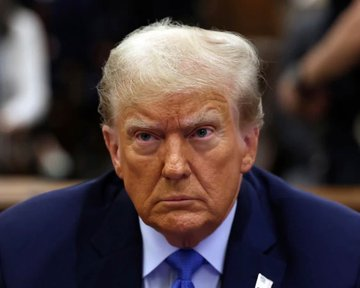
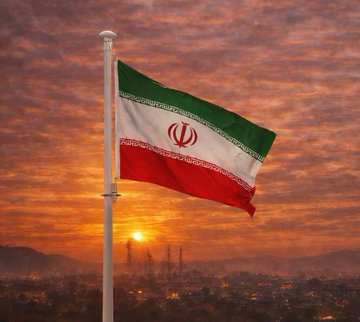
Trump’s comments, delivered during a public appearance, escalate the already tense standoff over the strategic waterway. The Strait of Hormuz remains heavily disrupted, with Iran maintaining effective control through a combination of naval presence, anti-ship missiles, and mining threats. While limited commercial transits (including French-linked and Indian vessels) have occurred under selective Iranian agreements, full reopening has not taken place. U.S. intelligence continues to assess that Iran is unlikely to restore normal flows in the near term.
“Power Plant and Bridge Day” appears to reference intensified targeting of Iran’s electricity generation capacity and key transportation infrastructure — building on previous strikes such as the bombing of the B1 suspension bridge near Karaj. Trump has repeatedly framed the Hormuz closure as an unacceptable threat to global energy security and a direct challenge to U.S. interests.
Context of the Hormuz Crisis
The strait handles approximately 20% of global LNG trade and 30% of seaborne oil trade in normal times. Disruptions have already forced Asian buyers to scramble for alternatives, with China reselling record volumes of LNG to help stabilize regional markets. Iranian officials have offered case-by-case transit agreements to European, Asian, and Arab countries but have tied broader reopening to de-escalation and an end to coalition strikes.
Trump’s threat comes amid ongoing military operations:
- Deep U.S. incursions into Iran, including the seven-hour daylight CSAR mission for the downed F-15E crew and reported use of temporary desert airstrips south of Isfahan.
- Significant U.S. aircraft losses and damage, including HC-130Js, helicopters, and other assets deliberately destroyed to prevent capture.
- Iranian retaliatory strikes, such as the recent hit on Israel’s Ne’ot Hovav industrial zone and barrages targeting Gulf facilities.
- Claims of over $2.4 billion in U.S. aircraft losses attributed to Iranian action in the first 35 days.
Diplomatic and Domestic Backdrop
The ultimatum contrasts with mixed diplomatic signals from Tehran. Iran’s Foreign Minister Abbas Araghchi has reiterated willingness for mediated talks via Pakistan, emphasizing the need for a “conclusive and lasting” end to the war. At the same time, senior figures like Mohsen Rezaee have mocked U.S. internal leadership changes under Defense Secretary Pete Hegseth.
Trump’s colorful phrasing — including the ironic “Praise be to Allah” — is likely intended to project strength and deter further Iranian actions while appealing to his domestic base. However, it also risks further inflaming tensions at a moment when both sides continue high-intensity operations.
Reflecto News will continue monitoring any Iranian response to the ultimatum, developments regarding the Strait of Hormuz, potential military movements ahead of Tuesday, and reactions from Gulf states and international partners.
Sources: President Trump’s statements, cross-referenced with Reuters, Axios, The New York Times, Iranian state media (Tasnim, IRIB), and regional reporting as of April 5, 2026. The situation is extremely fluid and subject to rapid change.