Reflecto News is an online news platform covering major international political events, global economic developments, and security conflicts. The site provides updates on topics such as Chinese manufacturing dominance, Middle Eastern political tensions, and high profile legal arrests. Readers can access current articles organized by categories like World News, Iran, and USA.
An Iraqi-flagged oil tanker has safely crossed the Strait of Hormuz following a case-by-case exemption granted by Iranian authorities, marking another limited commercial passage through the strategically vital waterway amid ongoing disruptions caused by the Iran conflict. The successful transit highlights Iran’s selective control over the strait, where full reopening remains elusive despite mounting international pressure and threats.
By Reflecto News Desk
April 5, 2026 | Baghdad / Tehran / Washington
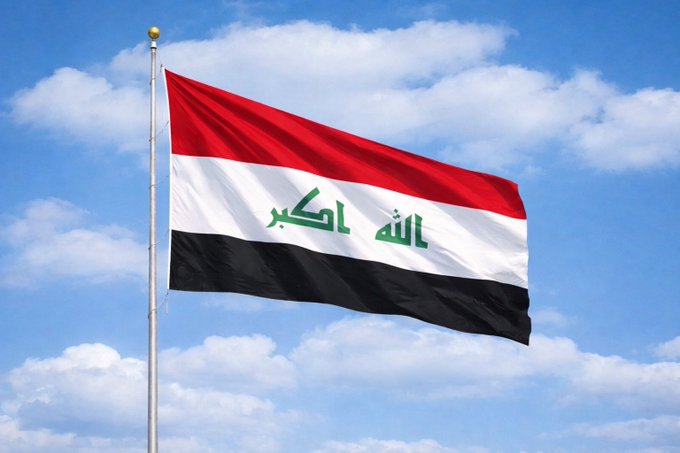
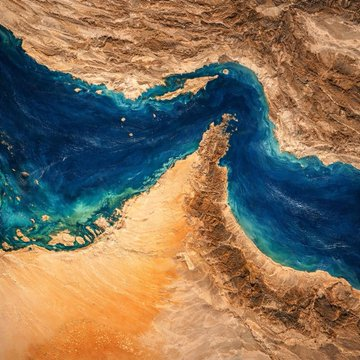
The tanker’s passage comes shortly after President Trump issued a sharp ultimatum demanding Iran fully open the strait by Tuesday or face “Power Plant and Bridge Day” — a threatened wave of strikes on Iranian power infrastructure and bridges. While limited transits continue (including prior French-linked and Indian vessels), Iran has maintained that broader access depends on de-escalation and cessation of coalition military actions.
Iranian officials have repeatedly offered transit agreements to European, Asian, and Arab countries on an individual basis, framing such exemptions as goodwill gestures while keeping the strait as a leverage point in the conflict. The Iraqi tanker’s safe crossing demonstrates that Tehran retains operational capability to permit or deny passage, even as U.S. and allied naval presence increases in the region.
Strategic and Economic Implications
The Strait of Hormuz normally carries about 20% of global LNG trade and 30% of seaborne oil trade. Disruptions have already triggered significant market ripple effects:
- Asian buyers scrambling for replacement supplies.
- China reselling record amounts of LNG to help stabilize regional markets.
- Elevated energy prices and supply chain concerns for Gulf producers and importers alike.
Selective exemptions allow Iran to project controlled authority while avoiding total economic isolation. However, the pattern of one-off approvals also underscores the uncertainty facing global shipping, with many operators hesitant to risk transit without explicit guarantees.
Ongoing Conflict Backdrop
The tanker transit occurs against a backdrop of sustained military and diplomatic activity:
- President Trump’s recent disclosure of the seven-hour daylight CSAR operation deep inside Iran for the downed F-15E pilot, which involved temporary desert airstrips south of Isfahan and significant aircraft losses (including deliberate destruction of HC-130Js and helicopters).
- Iranian claims of inflicting over $2.4 billion in damage to U.S. aircraft in the first 35 days.
- Strikes on both sides, including the Iranian hit on Israel’s Ne’ot Hovav industrial zone and U.S.-Israeli targeting of Iranian bridges and infrastructure.
- Internal U.S. Pentagon tensions, with Defense Secretary Pete Hegseth’s leadership changes drawing mockery from Iranian officials like Mohsen Rezaee.
- Diplomatic overtures from Tehran, including Foreign Minister Abbas Araghchi’s emphasis on mediated talks via Pakistan for a “conclusive and lasting” end to the war.
Reflecto News will continue monitoring further tanker transits, any Iranian statements on additional exemptions, U.S. or allied reactions to the selective passage, and developments ahead of President Trump’s Tuesday deadline.
Sources: Regional shipping reports, Iranian state media, Reuters, and cross-referenced statements from involved parties as of April 5, 2026. Maritime situations in conflict zones remain highly dynamic and subject to sudden changes.
Questions people ask
What is China's current share of global manufacturing?
China now accounts for twenty eight percent of global manufacturing. This industrial output exceeds the combined manufacturing production of the United States, Japan, and Germany, making China the leading global industrial power according to recent reports.
Why were Andrew Tate and Tristan Tate arrested in Miami?
Andrew Tate and his brother Tristan Tate were taken into custody in Miami by the United States Marshals Service. They face thirty eight new charges in the United Kingdom, including rape and child pornography offences, and prosecutors are seeking their extradition.
What warning did Moscow issue about oil prices?
Kirill Dmitriev, the Chief Executive of the Russian Direct Investment Fund, warned that a tsunami of skyrocketing oil prices is approaching. Moscow describes this potential energy shock as a major threat to global markets.
What political shift is projected for Benjamin Netanyahu's coalition?
Political polls project that Prime Minister Benjamin Netanyahu's coalition is on track to lose its majority in the upcoming October election. This projection indicates a potential political shift in Jerusalem.
Why did a Russian military aircraft land in Tehran?
A Russian airborne command aircraft, widely known as a doomsday plane, landed in Tehran. The arrival of the aircraft represents a high stakes show of support from Russia for Iran during a period of heightened regional tensions.
What did President Masoud Pezeshkian claim about the United States and Israel?
Iranian President Masoud Pezeshkian claimed that the United States and Israel failed in a forty eight hour plan to topple the Iranian government. He made these statements during a televised address marking two years since his inauguration.