Reflecto News is an online news platform covering major international political events, global economic developments, and security conflicts. The site provides updates on topics such as Chinese manufacturing dominance, Middle Eastern political tensions, and high profile legal arrests. Readers can access current articles organized by categories like World News, Iran, and USA.
By Reflecto News Desk
April 7, 2026
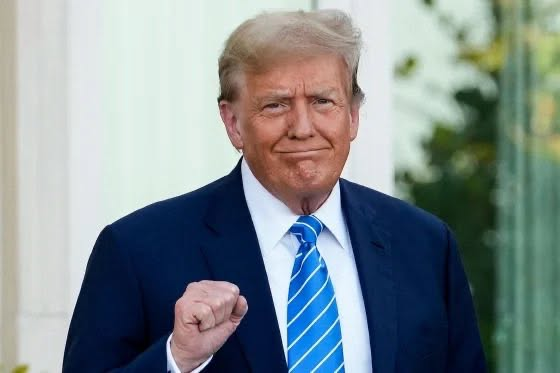
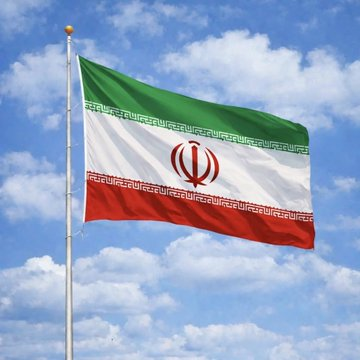
President Donald Trump has confirmed that U.S. military plans for potential strikes on Iran at 8:00 PM ET are moving forward, while leaving open the possibility that the situation “could change” if last-minute negotiations yield progress. The comments, reported by ABC News and echoed in interviews with Fox News anchor Bret Baier, come as the self-imposed deadline for Iran to reopen the Strait of Hormuz expires amid heightened military readiness and ongoing diplomatic efforts.
Trump reiterated that “8 p.m. is happening” and warned of an “attack like they have not seen” if Iran fails to comply, but he also acknowledged that productive talks could alter the course of action.
This latest statement caps a day of intense developments, including the IRGC’s declaration of a “new phase” of attacks, the Russia-China veto of a UN Security Council resolution, and Bahrain’s criticism of the Council’s inaction.
Trump’s Latest Comments on the Deadline and Strikes
According to reports, Trump told Baier in a recent phone conversation that the deadline remains firm and that preparations for significant military action are underway. He declined to assign odds to a negotiated outcome but emphasized that the U.S. is “moving forward with the plans that we have.”
At the same time, the president noted flexibility, stating the posture “could change” depending on Iranian responses in the final hours. This aligns with his earlier pattern of extending deadlines while maintaining pressure through threats of large-scale strikes on Iranian power plants, bridges, and other infrastructure.
Trump has previously described potential actions as “complete demolition” in one night, warning that “a whole civilization will die tonight” if demands are not met, though he has expressed a preference to avoid such escalation.
The Core Demand: Reopening the Strait of Hormuz
The central U.S. demand is the full reopening of the Strait of Hormuz to safe international commercial shipping. Iran has maintained effective control over the waterway since late February 2026, restricting passage in response to U.S. and Israeli military operations. The strait handles approximately 20-30% of global seaborne oil trade and a substantial portion of LNG exports, making its closure a major driver of rising energy prices and supply concerns worldwide.
Previous deadlines have been extended multiple times to allow for talks, but Trump has described tonight’s cutoff as increasingly final.
Recent Escalations and Diplomatic Setbacks
- IRGC “New Phase” Declaration: Iran’s Islamic Revolutionary Guard Corps announced expanded retaliatory operations against “aggressors,” vowing more crushing responses that could target broader regional assets.
- UN Security Council Failure: Russia and China vetoed a Bahrain-sponsored resolution calling for safe navigation, despite 11 votes in favor. Bahrain accused the Council of failing to act decisively.
- Ongoing Military Actions: Recent strikes have targeted infrastructure on both sides, with reports of casualties and damage in Iran and Gulf states.
What the Strikes Could Entail
U.S. officials have not detailed exact targets publicly, but Trump has repeatedly referenced power plants and bridges as potential objectives. Military analysts note that any large-scale operation would aim to degrade Iran’s ability to sustain the Hormuz closure while minimizing broader escalation risks. However, experts warn that strikes on civilian infrastructure could draw international condemnation and trigger stronger Iranian retaliation, including asymmetric attacks via proxies or direct missile strikes.
Global and Economic Implications
The deadline’s outcome carries enormous stakes:
- Energy Markets: Prolonged disruption could push oil prices higher and exacerbate inflation.
- Regional Stability: Further escalation risks drawing in additional actors across the Middle East.
- International Diplomacy: The UN veto underscores divisions among major powers, limiting multilateral options.
Gulf states remain on high alert, while calls for de-escalation continue from various international quarters.
What Happens After 8:00 PM ET?
As the clock ticks, attention focuses on whether any breakthrough occurs in the final moments. Trump’s comments suggest the U.S. is prepared for action but open to last-minute shifts. Iran has shown no signs of immediate concession, linking any reopening to broader demands for a permanent ceasefire and sanctions relief.
Reflecto News will provide continuous updates on military movements, official statements, and market reactions as this critical deadline passes.
FAQs: Trump’s 8:00 PM ET Deadline and Potential Strikes on Iran
What exactly did President Trump say about the strikes?
Trump confirmed that plans for 8:00 PM ET action are “happening” and warned of a major attack if the deadline passes without compliance, but he added that the situation “could change” based on negotiations.
Is this the final deadline?
Trump has described it as firm after multiple previous extensions, though he has left room for diplomatic breakthroughs.
What is the main U.S. demand?
Full, safe reopening of the Strait of Hormuz to international commercial shipping without Iranian restrictions.
What could the strikes target?
Trump has highlighted Iranian power plants, bridges, and other infrastructure in repeated warnings.
How has Iran responded?
The IRGC declared a “new phase” of attacks, and Tehran continues to demand a comprehensive peace agreement rather than temporary measures.
What are the risks if strikes occur?
Potential for significant escalation, higher global energy prices, civilian casualties, and broader regional conflict.
Could diplomacy still succeed?
Trump explicitly noted the possibility of change in the final hours, consistent with earlier pauses for talks.
This is a rapidly evolving situation with profound implications for the Middle East and global energy security. Reflecto News will continue monitoring developments closely.
Questions people ask
What is China's current share of global manufacturing?
China now accounts for twenty eight percent of global manufacturing. This industrial output exceeds the combined manufacturing production of the United States, Japan, and Germany, making China the leading global industrial power according to recent reports.
Why were Andrew Tate and Tristan Tate arrested in Miami?
Andrew Tate and his brother Tristan Tate were taken into custody in Miami by the United States Marshals Service. They face thirty eight new charges in the United Kingdom, including rape and child pornography offences, and prosecutors are seeking their extradition.
What warning did Moscow issue about oil prices?
Kirill Dmitriev, the Chief Executive of the Russian Direct Investment Fund, warned that a tsunami of skyrocketing oil prices is approaching. Moscow describes this potential energy shock as a major threat to global markets.
What political shift is projected for Benjamin Netanyahu's coalition?
Political polls project that Prime Minister Benjamin Netanyahu's coalition is on track to lose its majority in the upcoming October election. This projection indicates a potential political shift in Jerusalem.
Why did a Russian military aircraft land in Tehran?
A Russian airborne command aircraft, widely known as a doomsday plane, landed in Tehran. The arrival of the aircraft represents a high stakes show of support from Russia for Iran during a period of heightened regional tensions.
What did President Masoud Pezeshkian claim about the United States and Israel?
Iranian President Masoud Pezeshkian claimed that the United States and Israel failed in a forty eight hour plan to topple the Iranian government. He made these statements during a televised address marking two years since his inauguration.