Reflecto News is an online news platform covering major international political events, global economic developments, and security conflicts. The site provides updates on topics such as Chinese manufacturing dominance, Middle Eastern political tensions, and high profile legal arrests. Readers can access current articles organized by categories like World News, Iran, and USA.
Reflecto News Desk
Islamabad / Tehran – April 16, 2026
Pakistan’s Prime Minister Shehbaz Sharif held a significant telephone conversation with Iranian President Masoud Pezeshkian today as diplomatic efforts intensify to de-escalate the U.S.-Iran confrontation. The call comes while Pakistan’s Army Chief, Field Marshal Asim Munir, is physically in Tehran leading high-level mediation talks.
Pakistani officials described the discussion as “constructive and focused on regional stability,” signaling Islamabad’s continued high-level engagement in trying to broker a resolution between Washington and Tehran.
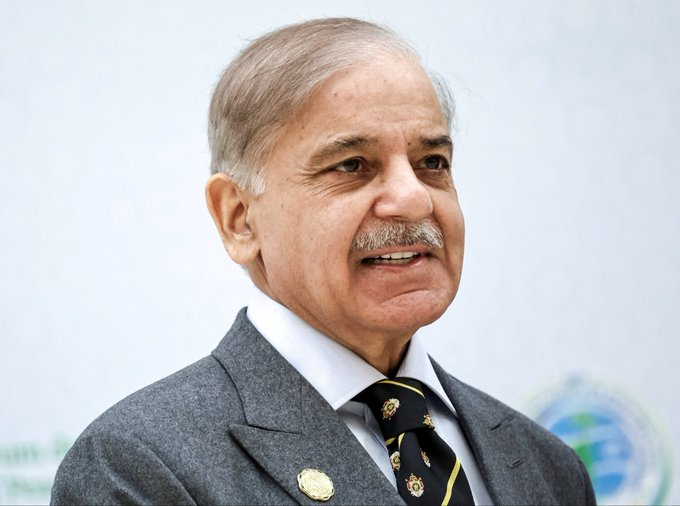
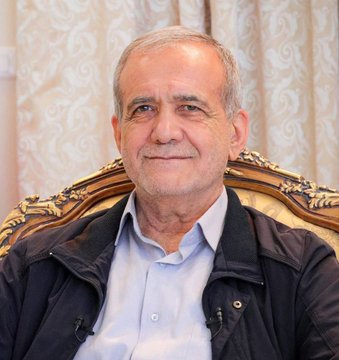
Details of the Sharif-Pezeshkian Call
According to a statement from the Prime Minister’s Office in Islamabad, the two leaders discussed the current tense situation in the Persian Gulf, the mining of the Strait of Hormuz, and ongoing efforts to revive direct negotiations between Iran and the United States.
PM Sharif emphasized the need for restraint, dialogue, and the creation of space for a diplomatic solution. President Pezeshkian reportedly briefed the Pakistani leader on Iran’s position and welcomed Pakistan’s mediation role.
The call lasted approximately 35 minutes and is seen as political backing for the military-led mediation currently being conducted by Field Marshal Asim Munir on the ground in Tehran.
Background: Pakistan’s Central Role in U.S.-Iran Diplomacy
Pakistan has emerged as a key neutral facilitator in the crisis. Field Marshal Asim Munir’s ongoing visit to Tehran follows the collapse of earlier talks hosted in Islamabad. Pakistan maintains strong relations with both Iran (as a neighbor) and the United States, making it uniquely positioned to shuttle messages and build confidence between the two sides.
This latest phone call between the civilian leadership of Pakistan and Iran reinforces the whole-of-government approach Islamabad is taking toward mediation.
Strategic Significance of the Call
The conversation serves multiple purposes:
- It demonstrates continued high-level political support for Field Marshal Munir’s mediation mission.
- It allows direct leader-to-leader communication on sensitive issues outside the military channel.
- It signals to the United States and other international players that Pakistan remains actively engaged at the highest levels.
The timing is particularly notable as it follows the announcement of a 10-day Israel-Lebanon ceasefire and amid Iran’s claim of restocking its drone and missile arsenal.
Connection to Broader Regional Developments
The Sharif-Pezeshkian call occurs against a backdrop of rapid developments:
- A new 10-day ceasefire between Israel and Lebanon
- U.S. announcement that it will intercept ships aiding Iran in international waters
- Ongoing difficulties clearing Iranian mines from the Strait of Hormuz
- Germany’s Chancellor warning Iran against acquiring nuclear weapons
- China’s assurance to the U.S. that it will not supply weapons to Iran
- Iran’s decision to shift all schools to virtual learning starting April 21
These parallel tracks highlight both the fragility and the urgency of the current diplomatic moment.
Implications for U.S.-Iran Talks and Regional Stability
A successful outcome of Pakistan’s mediation could help reopen safe passage through the Strait of Hormuz, ease global energy market pressure, and create conditions for longer-term agreements on Iran’s nuclear program and regional security. Failure, however, risks further escalation with severe economic consequences worldwide.
FAQs on PM Shehbaz Sharif’s Call with Iranian President Pezeshkian
Q1: What was discussed in the phone call?
A: The leaders focused on the current U.S.-Iran tensions, the situation in the Strait of Hormuz, and ways to advance diplomatic negotiations.
Q2: Why is this call important?
A: It provides political-level support to the ongoing mediation efforts being led by Pakistan’s Army Chief in Tehran and keeps communication channels open at the highest level.
Q3: Is this part of Pakistan’s formal mediation role?
A: Yes. Pakistan is actively mediating between the U.S. and Iran, with both military and civilian leadership involved.
Q4: How does this relate to Field Marshal Asim Munir’s visit?
A: The call complements and reinforces the Army Chief’s on-ground mediation efforts currently underway in Tehran.
Q5: Will this lead to a breakthrough in U.S.-Iran talks?
A: It is a positive step, but significant challenges remain, including the nuclear issue and the maritime crisis in the Strait of Hormuz.
Q6: How are global energy markets reacting?
A: Continued uncertainty keeps oil prices elevated, making diplomatic progress increasingly critical for global economic stability.
Looking Ahead
As Field Marshal Asim Munir continues his engagements in Tehran and PM Shehbaz Sharif maintains direct contact with Iranian leadership, the next 48-72 hours could prove decisive. Whether these efforts can translate into concrete de-escalation measures — particularly regarding the Strait of Hormuz — will have far-reaching consequences for the region and the world.
Reflecto News will continue to provide exclusive updates and expert analysis as this fast-moving diplomatic story develops.
Stay tuned to Reflecto News for real-time coverage, in-depth reporting, and comprehensive updates on Middle East diplomacy and Pakistan’s mediation role
This article is based on official statements from Pakistan’s Prime Minister’s Office and cross-verified reports as of April 16, 2026.
Questions people ask
What is China's current share of global manufacturing?
China now accounts for twenty eight percent of global manufacturing. This industrial output exceeds the combined manufacturing production of the United States, Japan, and Germany, making China the leading global industrial power according to recent reports.
Why were Andrew Tate and Tristan Tate arrested in Miami?
Andrew Tate and his brother Tristan Tate were taken into custody in Miami by the United States Marshals Service. They face thirty eight new charges in the United Kingdom, including rape and child pornography offences, and prosecutors are seeking their extradition.
What warning did Moscow issue about oil prices?
Kirill Dmitriev, the Chief Executive of the Russian Direct Investment Fund, warned that a tsunami of skyrocketing oil prices is approaching. Moscow describes this potential energy shock as a major threat to global markets.
What political shift is projected for Benjamin Netanyahu's coalition?
Political polls project that Prime Minister Benjamin Netanyahu's coalition is on track to lose its majority in the upcoming October election. This projection indicates a potential political shift in Jerusalem.
Why did a Russian military aircraft land in Tehran?
A Russian airborne command aircraft, widely known as a doomsday plane, landed in Tehran. The arrival of the aircraft represents a high stakes show of support from Russia for Iran during a period of heightened regional tensions.
What did President Masoud Pezeshkian claim about the United States and Israel?
Iranian President Masoud Pezeshkian claimed that the United States and Israel failed in a forty eight hour plan to topple the Iranian government. He made these statements during a televised address marking two years since his inauguration.