Reflecto News is an online news platform covering major international political events, global economic developments, and security conflicts. The site provides updates on topics such as Chinese manufacturing dominance, Middle Eastern political tensions, and high profile legal arrests. Readers can access current articles organized by categories like World News, Iran, and USA.
Reflecto News Desk
Tehran / Beirut – April 16, 2026
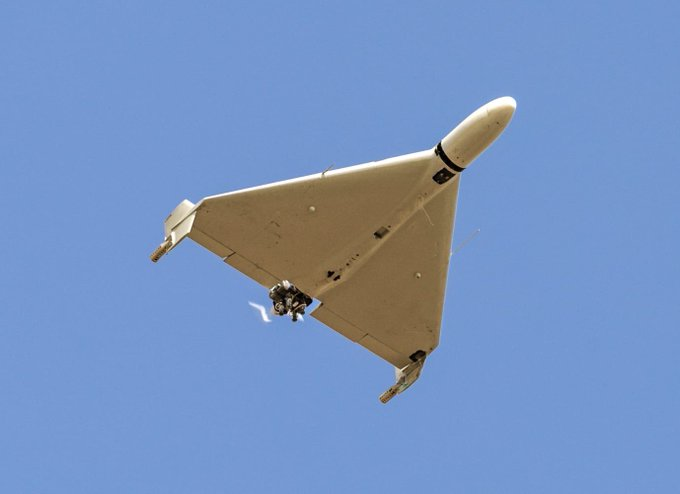
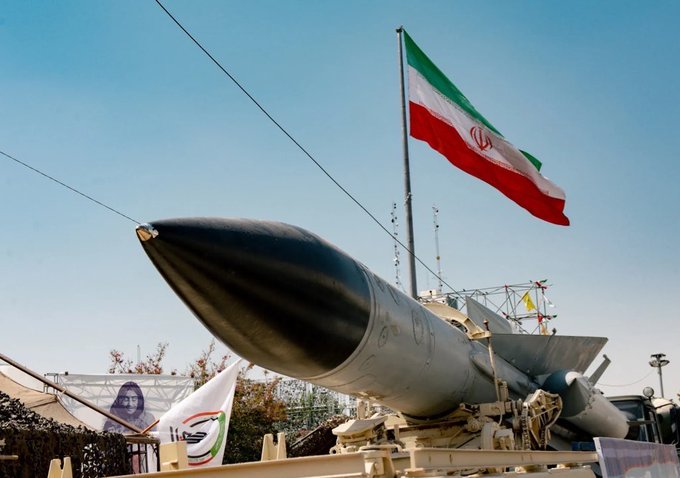
Iran has announced that it successfully restocked its arsenal with large numbers of drones and missiles during the brief de-escalation period associated with the newly agreed Israel-Lebanon 10-day ceasefire. Iranian military officials described the replenishment as a “defensive measure” to strengthen the country’s deterrence capabilities amid ongoing tensions with the United States and Israel.
The statement comes just hours after Israel and Lebanon announced a 10-day ceasefire, raising immediate concerns that the fragile regional de-escalation could be undermined.
Details of Iran’s Announcement
Iranian state media and military spokesmen stated that during the recent lull in direct confrontations, the Islamic Revolutionary Guard Corps (IRGC) and regular armed forces completed rapid resupply and production operations. The new inventory reportedly includes advanced attack drones, precision-guided missiles, and ballistic missiles.
Officials emphasized that the restocking was carried out within Iranian territory and does not violate any international agreements, while framing it as a necessary response to perceived threats from the U.S. naval presence and Israeli strikes.
Background: Timing and Strategic Context
The announcement follows intense Israeli operations against Hezbollah targets in Lebanon and heightened U.S.-Iran tensions, including the mining of the Strait of Hormuz and American threats to intercept ships aiding Iran. The Israel-Lebanon ceasefire, brokered with U.S. involvement, appears to have created a narrow window that Iran used to replenish depleted stockpiles after weeks of conflict.
Iran has a well-developed domestic drone and missile industry, which has allowed it to rapidly replace losses in previous rounds of fighting.
Implications of Iran’s Arsenal Restocking
- For the Israel-Lebanon Ceasefire: The claim could erode trust in the 10-day truce, as Israel may view the replenishment as preparation for renewed attacks by Hezbollah, which relies heavily on Iranian-supplied weapons.
- For U.S.-Iran Mediation: It complicates Pakistan’s ongoing high-level mediation efforts led by Field Marshal Asim Munir in Tehran.
- For Regional Stability: Increased Iranian capabilities could prolong the cycle of escalation and counter-escalation across multiple fronts.
- For Global Energy Markets: Any perception of renewed conflict risk keeps pressure on oil prices and shipping insurance costs while the Strait of Hormuz remains largely paralyzed by mines.
Connection to Broader Middle East Crisis
This development occurs as multiple critical tracks are active:
- The U.S. has declared it will intercept ships aiding Iran in international waters.
- Germany’s Chancellor Friedrich Merz warned that Iran must abandon its nuclear program.
- China assured the U.S. it will not supply weapons to Iran.
- The IEA warned Europe could face jet fuel shortages within six weeks.
- Iran ordered all schools to shift to virtual learning starting April 21 due to security risks.
The restocking claim highlights the challenge of achieving meaningful de-escalation when one side uses pauses to rebuild military strength.
FAQs on Iran’s Claim of Restocking Drones and Missiles
Q1: What exactly did Iran claim?
A: Iran says it has successfully restocked its arsenal with significant numbers of drones and missiles during the recent period of reduced hostilities linked to the Israel-Lebanon ceasefire.
Q2: When did this restocking happen?
A: According to Iranian statements, the replenishment occurred during the recent lull created by diplomatic efforts and the new 10-day Israel-Lebanon ceasefire.
Q3: Does this violate the Israel-Lebanon ceasefire?
A: The ceasefire is between Israel and Lebanon. Iran is not a direct party, though it is a major supplier to Hezbollah. Israel is likely to view the move as destabilizing.
Q4: How significant is Iran’s domestic drone and missile production?
A: Iran has one of the largest indigenous drone and missile programs in the region, allowing it to manufacture and replenish weapons relatively quickly despite international sanctions.
Q5: How will this affect U.S. and Pakistani mediation efforts?
A: It adds complexity and may harden positions, making breakthroughs in talks more difficult in the short term.
Q6: What could happen next?
A: Israel and the U.S. may respond with increased surveillance, new sanctions, or renewed military pressure, while diplomatic channels continue.
Looking Ahead: Testing the Fragility of Ceasefires
Iran’s announcement of restocked drone and missile capabilities serves as a reminder of how quickly tactical pauses can be used for strategic rearmament. The coming days will test whether the 10-day Israel-Lebanon ceasefire can hold and whether Pakistan-mediated U.S.-Iran talks can produce a more comprehensive de-escalation before tensions reignite.
Reflecto News will continue monitoring reactions from Jerusalem, Beirut, Washington, and Tehran as this story develops rapidly.
Stay tuned to Reflecto News for real-time updates, expert analysis, and comprehensive coverage of the Middle East crisis.
This article is based on Iranian official statements and cross-verified regional reporting as of April 16, 2026.
Questions people ask
What is China's current share of global manufacturing?
China now accounts for twenty eight percent of global manufacturing. This industrial output exceeds the combined manufacturing production of the United States, Japan, and Germany, making China the leading global industrial power according to recent reports.
Why were Andrew Tate and Tristan Tate arrested in Miami?
Andrew Tate and his brother Tristan Tate were taken into custody in Miami by the United States Marshals Service. They face thirty eight new charges in the United Kingdom, including rape and child pornography offences, and prosecutors are seeking their extradition.
What warning did Moscow issue about oil prices?
Kirill Dmitriev, the Chief Executive of the Russian Direct Investment Fund, warned that a tsunami of skyrocketing oil prices is approaching. Moscow describes this potential energy shock as a major threat to global markets.
What political shift is projected for Benjamin Netanyahu's coalition?
Political polls project that Prime Minister Benjamin Netanyahu's coalition is on track to lose its majority in the upcoming October election. This projection indicates a potential political shift in Jerusalem.
Why did a Russian military aircraft land in Tehran?
A Russian airborne command aircraft, widely known as a doomsday plane, landed in Tehran. The arrival of the aircraft represents a high stakes show of support from Russia for Iran during a period of heightened regional tensions.
What did President Masoud Pezeshkian claim about the United States and Israel?
Iranian President Masoud Pezeshkian claimed that the United States and Israel failed in a forty eight hour plan to topple the Iranian government. He made these statements during a televised address marking two years since his inauguration.