Reflecto News is an online news platform covering major international political events, global economic developments, and security conflicts. The site provides updates on topics such as Chinese manufacturing dominance, Middle Eastern political tensions, and high profile legal arrests. Readers can access current articles organized by categories like World News, Iran, and USA.
Reflecto News
April 16, 2026
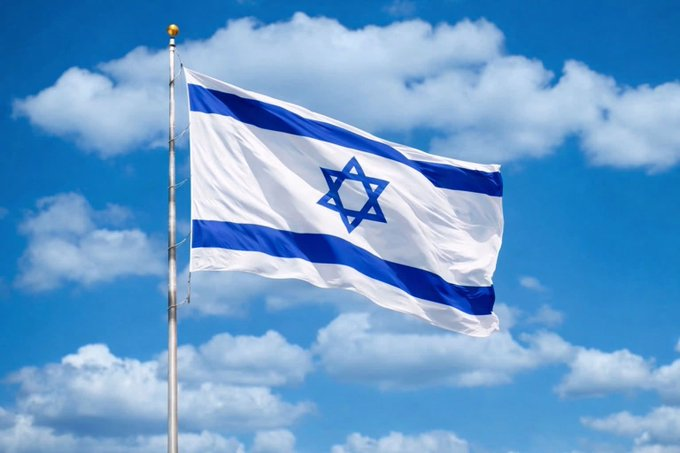
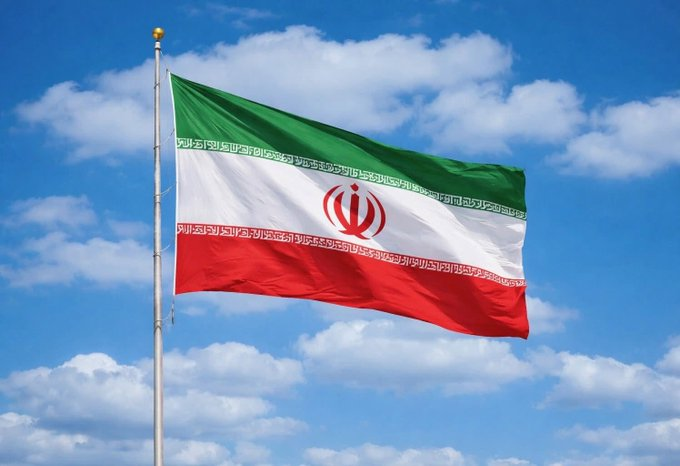
Israeli media outlets are reporting that the Israel Defense Forces (IDF) and senior military leadership have begun preparations for a possible resumption of direct conflict with Iran, should ongoing U.S.-mediated ceasefire negotiations collapse or fail to produce a lasting agreement.
Multiple Hebrew-language channels and news sites, including Ynet, Channel 12, and Channel 13, cited military and defense sources indicating that IDF Chief of Staff Lt. Gen. Eyal Zamir has instructed forces to enter a heightened state of readiness. This includes replenishing stockpiles, updating intelligence, and planning for rapid return to combat operations against Iranian targets.
Prime Minister Benjamin Netanyahu reinforced this stance in recent statements, noting that while the U.S. continues indirect talks with Tehran, Israel remains “prepared for any scenario” and views the current pause as temporary. Netanyahu has emphasized alignment with Washington but stressed that Israel’s objectives — particularly curbing Iran’s nuclear program and regional influence — must be achieved, “either by agreement or by resuming the fighting.”
Background and Current Tensions
The reports emerge against the backdrop of a fragile U.S.-Iran ceasefire, initially announced as a two-week pause but now under discussion for extension. The first round of high-level talks in Islamabad, mediated by Pakistan, did not yield a comprehensive deal, prompting both sides to prepare contingencies.
Key factors driving Israeli preparations include:
- Concerns over Iran’s nuclear enrichment capabilities and potential to rebuild missile and drone stockpiles during any lull.
- The ongoing U.S. naval blockade of Iranian ports and expanded interdiction of Iranian-linked vessels worldwide.
- Parallel regional dynamics, including the new 10-day Israel-Lebanon ceasefire and planned White House summit between Lebanese President Joseph Aoun and Netanyahu.
Israeli officials have publicly hinted that without sufficient concessions on Iran’s nuclear program and ballistic missiles, military options remain on the table. Energy Minister Eli Cohen previously stated that “if there is no deal, Iran can be hit.”
U.S. Position and Diplomatic Track
President Donald Trump has maintained pressure through the blockade while expressing optimism about diplomacy. Trump has praised Pakistan’s mediation role and indicated he might personally travel to Islamabad for a potential deal-signing ceremony. U.S. officials continue to coordinate closely with Israel, with reports of shared intelligence and aligned objectives.
Gulf and European diplomats are urging a short ceasefire extension to allow up to six months for substantive negotiations, with urgent focus on reopening the Strait of Hormuz to prevent further global energy disruptions, including Europe’s tightening jet fuel supplies.
Implications
Any resumption of direct Israel-Iran hostilities would risk rapid escalation, potentially drawing in proxies across the region and further disrupting critical shipping lanes. Israeli media notes that the IDF is treating the situation as a “serious” contingency, conducting after-action reviews from earlier strikes while maintaining high alert.
Iranian officials have not issued an immediate detailed response to the latest Israeli reports, though Tehran has repeatedly warned against renewed aggression.
What’s Next?
The coming days will be critical as mediators push for ceasefire extensions and a second round of talks. Progress on nuclear verification, sanctions relief, and maritime security will determine whether the pause holds or fighting resumes.
Reflecto News will continue monitoring Israeli military movements, U.S.-Iran diplomatic channels (including Pakistan’s role), the Strait of Hormuz situation, and related developments such as the Israel-Lebanon ceasefire and planned White House summit.
Frequently Asked Questions (FAQs)
Q1: What exactly are Israeli media reporting about preparations with Iran?
A: Reports indicate the IDF has raised alert levels, with Chief of Staff Eyal Zamir ordering preparations for a possible quick resumption of hostilities if ceasefire talks fail. This includes intelligence updates, stockpile replenishment, and contingency planning.
Q2: Why is Israel preparing for possible renewed war?
A: Israeli officials cite concerns that the current ceasefire pause allows Iran to rebuild capabilities, particularly in its nuclear program and missile forces. They insist on achieving strategic objectives, either diplomatically or militarily.
Q3: How does this relate to the U.S.-Iran ceasefire?
A: The U.S.-Iran ceasefire is fragile and under review for extension. Israel is coordinating with Washington but maintains independent readiness, viewing the pause as temporary.
Q4: What role is Pakistan playing?
A: Pakistan continues active mediation, with recent high-level meetings in Tehran. President Trump has praised Islamabad and indicated he might attend a deal-signing there.
Q5: Could fighting resume soon?
A: No immediate resumption has been announced, but military sources describe heightened readiness for short-notice operations if negotiations stall.
Q6: What are the broader risks?
A: Renewed conflict could escalate regionally, disrupt the Strait of Hormuz further, worsen global energy shortages, and complicate parallel ceasefires such as the 10-day Israel-Lebanon truce.
For continuous updates on Israel-Iran tensions, U.S. mediation efforts, the Strait of Hormuz crisis, and Middle East diplomacy, bookmark Reflecto News.
This article is based on reports from Israeli media (Ynet, Channel 12/13, Times of Israel), Al Jazeera, and other verified sources as of April 16, 2026.
Questions people ask
What is China's current share of global manufacturing?
China now accounts for twenty eight percent of global manufacturing. This industrial output exceeds the combined manufacturing production of the United States, Japan, and Germany, making China the leading global industrial power according to recent reports.
Why were Andrew Tate and Tristan Tate arrested in Miami?
Andrew Tate and his brother Tristan Tate were taken into custody in Miami by the United States Marshals Service. They face thirty eight new charges in the United Kingdom, including rape and child pornography offences, and prosecutors are seeking their extradition.
What warning did Moscow issue about oil prices?
Kirill Dmitriev, the Chief Executive of the Russian Direct Investment Fund, warned that a tsunami of skyrocketing oil prices is approaching. Moscow describes this potential energy shock as a major threat to global markets.
What political shift is projected for Benjamin Netanyahu's coalition?
Political polls project that Prime Minister Benjamin Netanyahu's coalition is on track to lose its majority in the upcoming October election. This projection indicates a potential political shift in Jerusalem.
Why did a Russian military aircraft land in Tehran?
A Russian airborne command aircraft, widely known as a doomsday plane, landed in Tehran. The arrival of the aircraft represents a high stakes show of support from Russia for Iran during a period of heightened regional tensions.
What did President Masoud Pezeshkian claim about the United States and Israel?
Iranian President Masoud Pezeshkian claimed that the United States and Israel failed in a forty eight hour plan to topple the Iranian government. He made these statements during a televised address marking two years since his inauguration.